Choosing the best Breathable Contact Lenses from China requires more than comparing attractive packaging or oxygen-transmission numbers. Comfort depends on material, water content, lens thickness, edge design, and individual eye health. A lens that feels smooth at 9 a.m. may become dry by late afternoon. That difference matters.
This guide examines Chinese contact lens manufacturers through practical and professional criteria. It considers silicone hydrogel technology, oxygen permeability, moisture retention, UV protection, manufacturing consistency, and prescription accuracy. It also looks at factory certifications, batch traceability, sterile packaging, and transparent product documentation. ISO 13485 certification can indicate controlled medical-device processes, but it does not guarantee that every wearer will find the lens comfortable. An eye-care professional should confirm the prescription, base curve, diameter, and wearing schedule before use.
Real-world testing is equally important. During a careful trial, notice whether the lens shifts during blinking, dries in air-conditioned rooms, or leaves visible redness after removal. Packaging should show clear expiry dates, lot numbers, and storage instructions. Customer reviews can reveal useful details, yet they remain personal experiences rather than clinical evidence. That distinction is easy to miss.
Some claims need skepticism. High oxygen permeability alone cannot solve poor fit or careless hygiene. Even a reputable Chinese supplier may offer different quality levels across product lines. This overview therefore balances technical data with user comfort, regulatory awareness, and manufacturer reliability. The goal is not to name one universal winner. The right lens should protect eye health, support clear vision, and remain comfortable under professional supervision.
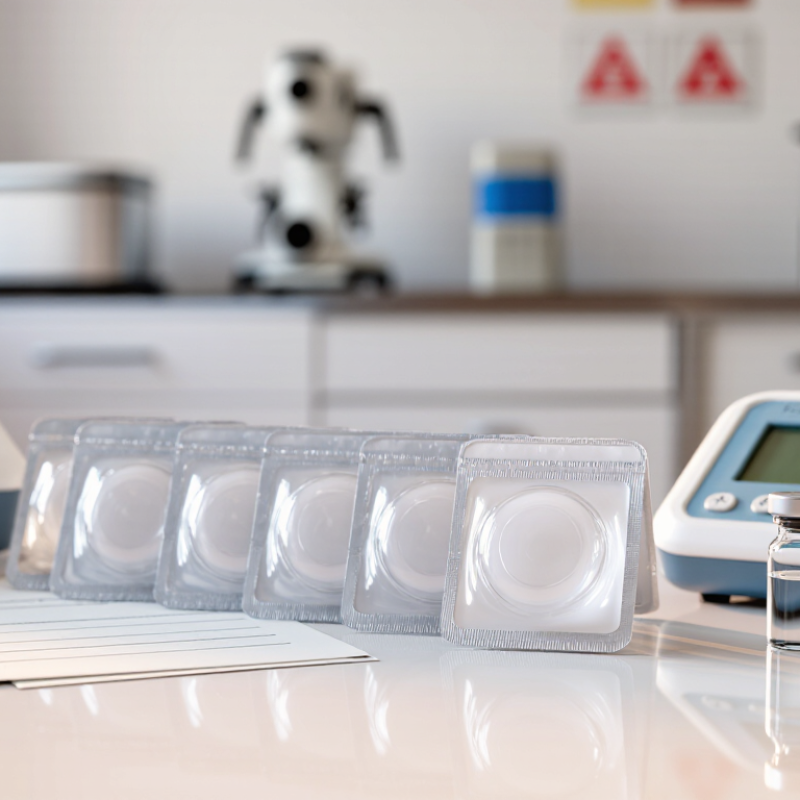
What Makes a Contact Lens Breathable: Dk/t, Oxygen Flux, and ISO 18369-1
What Are the Best Breathable Contact Lenses from China?
Breathability starts with oxygen movement, not marketing language. Dk measures a lens material’s oxygen permeability. The “t” means thickness, so Dk/t describes oxygen transmissibility through the finished lens. A higher Dk/t may support better corneal oxygen supply, especially during long daily wear. However, it is not the whole story. A thin lens can flex, dry quickly, or fit poorly.
Oxygen flux is more practical. It describes how much oxygen actually reaches the cornea across the lens. The result can change with lens thickness, wearing time, tear exchange, blinking, and eye temperature. A lens with excellent laboratory Dk/t may perform differently on a dry eye. I have seen product sheets that highlight Dk but omit center thickness. That omission deserves questions.
ISO 18369-1 provides standardized terminology and classification for contact lenses. It helps buyers compare technical documents consistently. It does not automatically prove that a product is comfortable or suitable for every wearer. When evaluating Chinese-made lenses, request Dk/t data, thickness maps, material details, and test conditions. Check whether reports come from qualified laboratories. Also review edge design and water content. Comfort is personal, and one fitting can challenge a confident specification. A careful assessment combines documented measurements, professional fitting, and real-world follow-up.
What Makes a Contact Lens Breathable?
Reference oxygen-transmissibility targets for evaluating soft contact lenses, including lenses manufactured in China.
Dk/t is oxygen transmissibility: the material’s oxygen permeability, Dk, divided by lens thickness, t. Higher values generally allow more oxygen to reach the cornea.
The reference values shown are the theoretical Holden–Mertz minimum criteria commonly used for reducing corneal hypoxia risk: 24.1 for daily wear, 87 for occasional overnight wear, 125 for up to 7 days of extended wear, and 175 for up to 30 days of continuous wear.
Oxygen flux depends on Dk/t and the oxygen partial-pressure gradient across the lens. ISO 18369-1 defines terminology and classification for contact lenses; it does not establish a single “best” breathability value. Actual performance also depends on lens thickness, fit, wearing time, tear exchange, and individual eye health.
Holden–Mertz Benchmarks: Dk/t 24.1 for Daily and 87 for Extended Wear
What Are the Best Breathable Contact Lenses from China?
Breathability should begin with oxygen transmission, measured as Dk/t. The Holden–Mertz benchmarks offer useful reference points:
24.1 for daily wear
and
87 for extended wear.
These numbers describe oxygen performance, not overall lens quality. A lens may reach a strong Dk/t value yet feel dry, move poorly, or collect deposits. Material, water content, edge design, and surface treatment also affect real comfort.
For Chinese-made lenses, buyers should request complete technical files, including Dk/t testing conditions, replacement schedules, and quality-control records.
Testing methods matter. A reported value without temperature, thickness, or laboratory details is difficult to compare fairly.
In practice, a qualified eye-care professional should assess corneal shape, tear stability, and wearing habits. Extended wear deserves extra caution. Sleeping in lenses increases complications, even when oxygen transmission is high. The 87 benchmark is not automatic permission for overnight use.
Tips:
Compare 24.1 and 87 with the manufacturer’s full test data. Check whether the product is designed for daily or extended wear. Inspect the lens after several hours. Redness, blurred vision, or a gritty feeling should not be ignored. A practical trial may reveal limitations that a specification sheet misses. I would not treat one impressive number as proof of comfort. That assumption needs challenging.
Chinese Silicone Hydrogel Lenses: Comparing Water Content, Modulus, and Dk/t
Chinese silicone hydrogel lenses are increasingly evaluated through three practical measures: water content, modulus, and oxygen transmissibility. Water content describes how much moisture the lens holds. Higher water content may feel refreshing at first, but it can also lose moisture faster in dry air. Silicone hydrogel materials usually improve oxygen flow, even with moderate water levels. The key measurement is Dk/t, which considers oxygen permeability and lens thickness. A higher Dk/t generally supports better corneal oxygen exposure, but it does not guarantee all-day comfort.
Modulus shows how stiff a lens feels during handling and wear. A higher modulus can provide sharper vision and easier application. However, it may feel noticeable against the eyelid. A lower modulus may feel softer, yet it can fold or move more during blinking. These differences become obvious in real use, especially after several hours near air conditioning. My practical mistake was judging comfort after only ten minutes. That test was too short.
Tips: Compare Dk/t with lens thickness, not alone. Check water content for your climate and tear condition. Ask an eye-care professional to assess movement, centration, and wearing time. Packaging data can be useful, but measurements may vary between laboratories. A lens that looks excellent on paper may still feel dry, tight, or unstable on your eyes. Reliable selection needs both technical data and supervised fitting.
Verifying Quality: CE, FDA, ISO 13485, and Chinese NMPA Registration
What Are the Best Breathable Contact Lenses from China?
“Breathable” should mean measurable oxygen performance, not a sales adjective. For Chinese-made contact lenses, I check oxygen transmissibility, water content, base curve, power accuracy, and material records. FDA guidance treats contact lenses as medical devices, including cosmetic lenses. The U.S. Food and Drug Administration also reports that about 45 million Americans wear contact lenses. That scale explains why documentation matters.
CE marking shows conformity with applicable European requirements, but it is not a universal quality award. I verify the declaration, notified-body details, product scope, and expiry date. FDA clearance or authorization should match the exact lens type and intended use. ISO 13485 certification evaluates the manufacturer’s quality-management system. It does not automatically approve every lens. Chinese NMPA registration is equally important for products legally marketed in China, and the registration should match the manufacturer, model, packaging, and material.
I also inspect the carton closely. Lot numbers, sterile packaging, replacement schedules, and readable instructions should align with registration records. The CDC’s MMWR report found that 99% of surveyed contact lens wearers reported at least one risky hygiene habit. A compliant lens can still become unsafe through poor handling. That is the uncomfortable part. Certificates reduce uncertainty, but they cannot replace clinical fitting or careful daily use. I would ask for independent testing, especially oxygen transmission and microbial-control evidence, before trusting a low-cost claim. Some documents look convincing. Their scope may be narrower than expected.
Selecting the Best Chinese Lens: Balancing Dk/t, Replacement Cycles, and Comfort
Choosing the best breathable contact lens from China starts with Dk/t, but comfort rarely follows one number. Dk/t measures oxygen delivery through the lens at a specified thickness. Compare values only when the testing method and prescription power are similar. A higher figure can help, yet fit, material flexibility, water content, and surface design also affect wear. I once assumed the highest Dk/t would feel best. That shortcut was wrong.
Replacement cycles deserve equal attention. Daily lenses may reduce deposit buildup and simplify hygiene, while monthly lenses can suit experienced users who follow cleaning instructions carefully. Never extend the approved wearing period. An eye-care professional should check movement, centration, redness, and end-of-day comfort. Small details matter. After several hours, a lens should not feel dry, tight, or gritty.
When evaluating Chinese-made lenses, review clear technical documentation, manufacturing standards, prescription accuracy, and traceable distribution. Ask whether the listed Dk/t applies to the exact lens design, not merely the material. Check the recommended replacement schedule and care system. Comfort should be tested gradually, especially in air-conditioned rooms or during screen use. A reliable fitting process may reveal that a moderately breathable lens fits better than a technically superior one. That is easy to overlook. Personal experience helps, but it cannot replace a professional eye examination.
Conclusion
Breathable Contact Lenses are designed to deliver sufficient oxygen to the cornea, helping support eye comfort and reduce the risk of oxygen-related complications. Their performance is commonly evaluated through oxygen permeability (Dk), oxygen transmissibility (Dk/t), oxygen flux, and testing principles described in ISO 18369-1. As a useful reference, the Holden–Mertz benchmarks identify approximately 24.1 Dk/t for daily wear and 87 for extended wear, although individual needs and wearing conditions should always be considered.
Chinese silicone hydrogel lenses can differ in water content, material modulus, surface properties, and Dk/t, so no single specification determines comfort or suitability. Buyers should verify quality through documentation such as CE marking, FDA clearance where applicable, ISO 13485 manufacturing systems, and Chinese NMPA registration. The best choice balances verified oxygen performance with the intended replacement cycle, fit, moisture retention, handling, and professional eye-care guidance.

 Blink Lenses