Choosing Custom Colored Contact Lenses involves more than selecting a striking shade online. The right pair should match your prescription, eye health, lifestyle, and appearance goals. A color that looks subtle in a product photo may appear dramatic under bright sunlight. Brown eyes can also change the final result significantly.
Start with a current eye examination from a qualified optometrist. Professional guidance helps confirm whether lenses fit your cornea safely and provide clear vision. Ask about breathable materials, replacement schedules, moisture retention, and prescription accuracy. Comfort matters as much as color. If a lens feels dry, shifts repeatedly, or causes redness, remove it promptly.
Small details matter.
Choose products from authorized suppliers that clearly identify the manufacturer, materials, care instructions, and regulatory information. Avoid unlabeled lenses or sellers making unrealistic promises. Proper cleaning requires the recommended solution, clean hands, and a fresh storage case. Never share lenses, sleep in them, or wear them while swimming unless a qualified eye-care professional specifically approves the practice.
Personal taste still matters. Compare shades beside your natural eye color and in indoor and outdoor lighting. Consider whether you want a soft enhancement or a theatrical effect. My first impression might favor the boldest design, but daily comfort often changes that judgment. The safest choice is not always the most dramatic one. Reliable decisions combine expert fitting, verified product information, and honest attention to how your eyes respond.
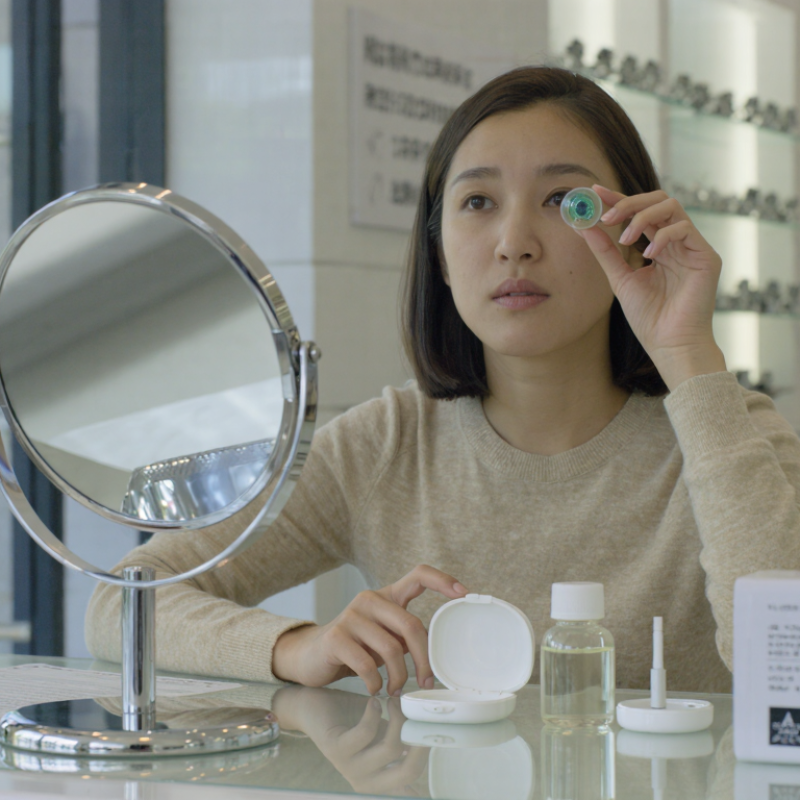
How to Choose Custom Colored Contact Lenses?
Choosing custom colored contact lenses should begin with eye health, not shade. A current eye examination can reveal dryness, allergies, corneal irregularities, or inflammation. These issues may make lenses uncomfortable or unsafe. Tell an eye-care professional about headaches, fluctuating vision, previous infections, and medication use. Even mild redness matters.
Your glasses prescription does not automatically provide the correct contact-lens fit. A licensed practitioner may measure corneal shape, tear quality, pupil size, and lens movement. The colored pupil opening should remain aligned with your natural pupil in different lighting. Poor alignment can blur vision, especially at night. Ask whether you need vision correction or cosmetic lenses. Never borrow someone else’s lenses. A custom design still needs professional approval.
During a fitting, notice pressure, stinging, dryness, or a lens that shifts when blinking. Do not push through discomfort. A short trial in daylight and indoor light can expose problems a quick mirror check misses. Follow the recommended wearing schedule and cleaning method exactly. Replace lenses on schedule, even when they look clean. I sometimes underestimate how quickly dry air affects comfort; that assumption needs correction. If vision changes or pain develops, remove the lenses and seek prompt clinical advice.
How to Choose Custom Colored Contact Lenses?
Choosing custom colored contact lenses starts with defining your preferred color. Look at your natural eye color in daylight, not only under bright store lighting. A soft hazel shade may appear green on light eyes but brown on darker eyes. Take a clear photo near a window for better comparison. Screen colors can mislead you.
Pattern matters as much as color. A fine, irregular pattern usually looks more natural than a perfectly solid ring. Consider the limbal edge, inner flecks, and how sharply the color blends. For a dramatic appearance, choose stronger contrast. For daily wear, subtle detail may feel more practical. My first instinct would be to choose the most vivid design, but that can look less balanced in ordinary settings.
Opacity controls how much of your natural iris remains visible. Low opacity creates a blended effect, while high opacity gives fuller coverage. Ask an eye-care professional to assess the fit, material, and prescription needs. Decorative lenses still rest directly on the eye. They should come from a reliable, properly regulated source. Never share them, sleep in them, or wear them during swimming. Wash and dry your hands before handling them. If your eyes become painful, red, unusually watery, or sensitive to light, remove the lenses and seek professional advice. Comfort is not optional.
Define your preferred color, pattern, and level of opacity by first comparing your desired shade with the estimated global distribution of natural iris colors.
Brown eyes are the most common globally, while green and gray eyes are less common. For a natural result, choose a color close to your existing iris tone and select a soft, blended pattern. For a more dramatic result, choose a stronger contrast, a defined limbal ring, and higher opacity. Natural eye-color percentages are approximate global estimates and vary by population and research source.
Choosing custom colored contact lenses starts with the material, not the color. A licensed eye-care professional should examine your eyes and confirm the correct prescription. Soft lenses may feel comfortable quickly, while silicone hydrogel materials can allow more oxygen to reach the cornea. However, oxygen flow alone does not guarantee comfort. Your tear quality, allergies, and daily screen time also matter. A lens that feels fine for one hour may dry out after eight.
Size and fit require careful measurement. Diameter affects how much of the eye the lens covers, while the base curve influences movement and stability. The lens should center over the iris and move slightly when you blink. Too much movement can cause blurred vision. Too little movement may reduce oxygen exchange. Custom does not mean universally comfortable. Ask the practitioner to check the fit with the lenses on your eyes, not only from measurements.
Follow the approved wear and replacement schedule exactly. Daily-wear lenses should be removed before sleeping, showering, or swimming. Replace reusable lenses on time, even when they look clean. Wash and dry your hands before handling them, and use fresh recommended solution. Never share lenses. Stop wearing them if you notice pain, redness, light sensitivity, or sudden blur. I sometimes underestimate how quickly dryness develops during long computer sessions, so planned breaks and suitable lubricating drops can help. Still, persistent symptoms need professional review, not guesswork.
Choosing custom colored contact lenses should begin with safety, not shade selection. A vivid color cannot compensate for poor oxygen flow or an incorrect fit. Consult a licensed eye-care professional before ordering, even if your vision seems normal. They can check your cornea, tear film, prescription, and eye health with clinical equipment. A fitting appointment matters.
Ask how the lenses are manufactured and tested. Reliable products should identify materials, wearing limits, cleaning instructions, and lot information. Look for compliance with recognized medical-device standards in your region. Avoid lenses sold without clear safety documentation. They may feel comfortable at first, then cause redness or blurred vision. That delayed discomfort is easy to ignore.
Professional fitting is more than measuring prescription strength. The practitioner should assess lens movement during blinking and check whether the colored area sits over the iris. A trial pair can reveal dryness, edge irritation, or unstable vision. I used to think a tighter lens was safer because it moved less. That was an incomplete assumption. A lens that barely moves may restrict tear exchange. Never share lenses, sleep in them unless specifically approved, or extend the replacement schedule. Clean hands, fresh disinfecting solution, and a clean case are essential. If pain, light sensitivity, discharge, or sudden blur appears, remove the lenses and seek professional care promptly.
| Evaluation Dimension | What to Check | Reliable Safety or Quality Indicator | Why It Matters | Priority |
|---|---|---|---|---|
| Prescription Requirement | Confirm that the lenses are supplied through a lawful eye-care channel and that a valid prescription is required where local law mandates one. | In the United States, decorative and colored contact lenses are regulated as medical devices and require a prescription. | Even non-corrective lenses can restrict oxygen, damage the cornea, or cause infection when poorly fitted or misused. | Essential |
| Professional Eye Examination | Have an optometrist or ophthalmologist assess eye health, tear film, corneal shape, and suitability for contact-lens wear. | The examination includes corneal evaluation and a discussion of allergies, dry eye, previous eye disease, and wearing habits. | Some conditions can make contact-lens wear unsafe or require a different lens material or wearing schedule. | Essential |
| Base Curve and Diameter | Compare the prescribed base curve and overall diameter with the lens specifications. Do not choose only by appearance. | The parameters are selected or confirmed by a qualified eye-care professional after evaluating lens movement and centration on the eye. | An unsuitable fit may cause discomfort, unstable vision, corneal staining, reduced oxygen availability, or lens displacement. | Essential |
| Prescription Power | For vision-correcting colored lenses, verify sphere, cylinder, axis, and any additional prescribed parameters. | The final prescription matches the current eye examination and is not copied from an expired or unrelated prescription. | Incorrect power can produce blurred vision, headaches, eye strain, and unsafe vision during driving or other activities. | Essential |
| Material and Oxygen Performance | Ask which lens material is used and whether its oxygen-transmissibility information is available. | A legitimate product should provide material information and technical specifications, including oxygen-related data where applicable. | The cornea receives oxygen directly from the air; inadequate oxygen transmission can contribute to swelling and other complications. | Essential |
| Regulatory Authorization | Check the approval, registration, or conformity status required in the country where the lenses will be sold and used. | Look for verifiable regulatory information rather than an unsupported claim such as “FDA approved” or “medical grade.” | Regulatory authorization indicates that the product has undergone the type of review required by the applicable jurisdiction. | Essential |
| Quality Management | Review whether the manufacturer operates a documented medical-device quality system and provides traceable production information. | ISO 13485 is an internationally recognized quality-management standard for medical devices; certification should be independently verifiable. | Controlled processes help reduce variation in dimensions, materials, packaging, labeling, and release testing. | Important |
| Lens Measurements | Check that the stated base curve, diameter, power, material, and replacement schedule are clearly listed. | Contact-lens terminology and measurement concepts should be consistent with the ISO 18369 series for contact lenses. | Clear specifications make it possible for an eye-care professional to assess compatibility and identify unsuitable products. | Important |
| Color Pigment Placement | Determine whether the pigment is enclosed within the lens material and whether the colored area can interfere with the pupil. | The colored pattern should remain stable, smooth, and centered during normal wear; pigment should not flake or transfer. | Surface defects or pigment migration may irritate the eye and can affect comfort or vision. | Essential |
| Packaging and Sterility | Inspect each blister or vial for an intact seal, readable lot number, expiration date, and storage instructions. | Do not use a lens if the package is damaged, leaking, opened, cloudy, or past its expiration date. | A compromised package can increase the risk of contamination and loss of sterility. | Essential |
| Replacement Schedule | Follow the stated daily-disposable, planned-replacement, or other prescribed replacement schedule. | Replace lenses according to the labeled schedule even when they appear clean or comfortable. | Deposits, material changes, and microbial contamination can increase with extended use. | Essential |
| Cleaning and Disinfection | Use only the care system recommended by the eye-care professional and product labeling. | Never use tap water, saliva, homemade saline, or non-approved liquids to clean or store lenses. | Water can contain microorganisms, including organisms associated with serious corneal infections. | Essential |
| Water and Swimming Exposure | Remove lenses before swimming, showering, or using a hot tub unless a qualified professional provides specific instructions. | Keep contact lenses away from untreated or recreational water. | Water exposure can introduce microorganisms to the lens and eye and increase infection risk. | Essential |
| Wear and Replacement Limits | Confirm the maximum daily wearing time and whether overnight wear is permitted for that specific lens. | Do not sleep in lenses unless overnight wear has been specifically prescribed and approved. | Sleeping in contact lenses is associated with a higher risk of serious eye infection. | Essential |
| Professional Trial Fitting | Attend a follow-up fitting to assess comfort, movement, centration, vision, and the condition of the cornea. | The professional confirms the final lens before regular purchase or continued wear. | A lens that feels comfortable for a short time may still fit poorly or reduce corneal oxygenation. | Essential |
| Warning Symptoms | Stop wearing the lenses and seek prompt professional care for pain, pronounced redness, light sensitivity, discharge, sudden blurred vision, or persistent discomfort. | Symptoms are treated as a potential eye-health problem rather than managed by simply changing colors or solutions. | Serious corneal problems can worsen rapidly and may threaten vision if treatment is delayed. | Essential |
Practical rule: Choose the color only after safety, regulatory status, prescription accuracy, material information, and professional fitting have been confirmed.
Choosing custom colored contact lenses starts with a qualified eye examination, not a color chart. An eye-care professional should check your prescription, corneal shape, tear film, and lens fit. Even non-prescription cosmetic lenses need proper fitting. A lens that feels “almost right” can still reduce oxygen flow or cause scratches. Ask how long the lenses may be worn each day. Follow written instructions, even when online advice sounds more convenient.
Wash and dry your hands before touching the lenses. Use a recommended disinfecting solution, never tap water, saliva, or homemade mixtures. Rub and rinse each lens as instructed, then place it in fresh solution. Keep it simple. Topping off old solution reduces its cleaning effectiveness. Store lenses fully covered in a clean case with tightly closed caps. Let the empty case air-dry upside down. Replace the case as directed, often every one to three months. A spotless-looking case may still carry contamination. That assumption is easy to make and unsafe.
Put lenses in before applying makeup, and remove them before cleansing your face. Do not sleep, shower, or swim while wearing them unless specifically approved by an eye-care professional. Remove the lenses immediately if you notice pain, redness, unusual dryness, blurred vision, or light sensitivity. Contact an eye-care professional promptly. Replace reusable lenses according to the prescribed schedule, not when they become uncomfortable. A damaged lens may feel normal at first. Daily disposable lenses should never be reused. Keep backup glasses nearby, especially during travel.
Yes. An eye examination can identify dryness, allergies, inflammation, infections, or corneal irregularities. Even mild redness deserves attention.
Not automatically. A practitioner may measure your corneal shape, tear quality, pupil size, and lens movement. Contact lenses need their own prescription and fit.
It should stay aligned with your natural pupil in different lighting. Poor alignment may blur vision, especially at night. Test lenses indoors and outdoors.
It should center over the iris and move slightly during blinking. Excess movement can blur vision. Too little movement may reduce oxygen exchange.
Soft materials may feel comfortable quickly, while oxygen-permeable materials can support corneal oxygen needs. Comfort also depends on tears, allergies, and screen time. Material alone is not enough.
Remove them for pain, redness, light sensitivity, sudden blur, stinging, or worsening dryness. Do not push through discomfort. Seek prompt professional advice if symptoms continue.
Take planned screen breaks and ask about suitable lubricating drops. Dry air can change comfort quickly. I used to underestimate this problem.
Wash and dry your hands before handling them. Use fresh recommended solution and replace lenses on schedule. Never share them.
No. Remove daily-wear lenses before sleeping, showering, or swimming. A clean-looking lens can still require replacement.
Choosing Custom Colored Contact Lenses should begin with your eye health and vision needs. Before selecting a design, confirm whether you need vision correction and consult a qualified eye-care professional for an appropriate prescription and fit. Consider the color, pattern, and opacity you prefer, taking into account your natural eye color and the overall appearance you want. Lens material, diameter, and wearing schedule also affect comfort, appearance, and suitability for daily or occasional use.
Safety and quality should remain priorities throughout the selection process. Choose lenses that meet applicable safety standards and have been professionally fitted rather than relying only on appearance or convenience. Follow all recommended instructions for cleaning, rinsing, disinfecting, and storing the lenses, and never share them with others. Observe the advised wearing time, replace lenses according to their schedule, and stop wearing them if you experience pain, redness, blurred vision, or unusual irritation. Regular professional checkups can help protect your eye health and ensure continued comfort.

Blink Lenses