How to Choose Mermaid Contact Lenses for Wholesale Buyers

Time:2026-11-02 Author:Isabella
0%

Choosing Mermaid Contact Lenses for wholesale is about more than color and price. Buyers need to assess product quality, supplier reliability, and the needs of their customers. A vivid turquoise lens may look striking in a product photo, yet its real appearance can vary with lighting and natural eye color. Request clear product images and samples before committing to a large order. Small checks matter.

Review lens specifications carefully, including material, diameter, base curve, packaging, and stated wear schedule. Ask suppliers for batch identification, expiry details, care instructions, and supporting quality documentation. Requirements for selling contact lenses differ by market, so confirm local rules with qualified regulatory or eye-care professionals. Do not treat a supplier’s general assurance as proof that a product is suitable for every wearer.

Wholesale buyers should also examine communication, lead times, minimum order quantities, and procedures for handling damaged goods or customer complaints. A low quote can look attractive. It can also conceal weak documentation or inconsistent stock, so compare the full offer rather than price alone. Test samples for appearance, packaging, and consistency, while avoiding claims that lenses are comfortable or safe for everyone. Individual fit and eye health require professional assessment. Mermaid Contact Lenses can add distinctive appeal to a collection, but responsible sourcing takes patience. I would not rush that part. A careful checklist, clear records, and candid supplier answers make purchasing decisions more dependable, even when the perfect option is not obvious.
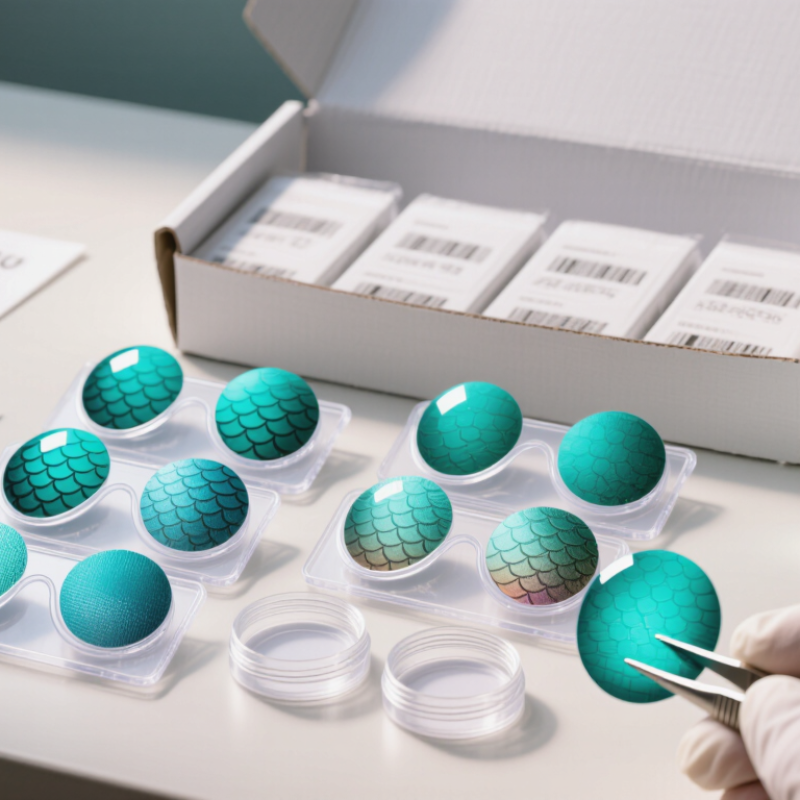
How to Choose Mermaid Contact Lenses for Wholesale Buyers

Define the Intended Use and Buyer Requirements

Define the intended use before comparing colors or order quantities. Mermaid contact lenses for theatrical costumes may need a dramatic iris pattern, while retail customers often prefer subtle tones for occasional wear. Photography buyers should test samples under both studio lighting and daylight. A design that looks vivid in a product image can appear harsh in person. Looks are not enough.

Write down buyer requirements, including target customer, prescription or non-prescription options, packaging language, expected order volume, and delivery timing. Ask suppliers for documented lens material, oxygen permeability, base curve, diameter, replacement schedule, and clear wear instructions. Check that each unit arrives sealed, with a readable lot number and expiry date. Confirm applicable local requirements for sale and labeling; they vary by market. Ask before ordering.

Request samples and inspect color consistency, print alignment, packaging, and documentation. Have a qualified eye-care professional review fit and wear guidance where appropriate. Wholesale pricing matters, but unusually low prices may leave important questions unanswered. One point is easy to overlook: a buyer’s customers may have different eye sensitivities and fit needs. Build a process for handling complaints and verifying product details, rather than assuming one attractive sample represents every batch.

Check Lens Safety, Materials, and Regulatory Compliance

For wholesale buyers, mermaid lenses should be assessed as medical products, not just colorful accessories. Check that each lens is sealed, sterile, and marked with a lot number and expiry date. Ask for the material specification, care instructions, and records supporting the manufacturer’s quality controls. A glossy sample can still hide weak documentation. Looks are not enough.

Review the lens material and oxygen permeability, not water content alone; one number cannot establish comfort or safety. Inspect the printed color pattern closely. Pigment should not appear rough, patchy, or loose near the lens edge. Request samples from more than one production lot when possible, and compare packaging and labeling. Decorative lenses still need proper fitting and guidance from an eye-care professional. Rules differ by destination, so confirm product classification, registration, labeling, and import requirements with the relevant regulator or a qualified local compliance adviser. Verify certificates with their issuer rather than relying on a scanned file. It may feel slow, but skipping that check can cost more later.

How to Choose Mermaid Contact Lenses for Wholesale Buyers — Check Lens Safety, Materials, and Regulatory Compliance
Evaluation Area What Wholesale Buyers Should Check Why It Matters Useful Records or Questions
Regulatory status Confirm the product’s legal status and applicable requirements in every intended sales market. In the United States, decorative contact lenses are regulated as medical devices, including lenses sold without vision correction; verify current FDA requirements and any required authorization. Requirements differ by country and can depend on intended use, product claims, and distribution route. A product’s availability online does not establish that it is legally marketed. Request market-specific authorization or registration evidence, the responsible legal manufacturer, and confirmation that the documentation covers the exact lens model.
Prescription and fitting Check how the supplier supports applicable prescription, fitting, and dispensing rules. Do not treat non-corrective or plano lenses as risk-free or suitable for unrestricted sale. Contact lenses sit directly on the eye. An unsuitable fit or incorrect use can cause irritation, corneal injury, or infection. Ask for approved labeling, user instructions, fitting information, and market-specific guidance on prescription or professional oversight.
Lens material Identify the material and material family, such as hydrogel or silicone hydrogel, and confirm that the stated composition matches the technical documentation. Material properties influence lens performance and wear characteristics. No material type alone guarantees comfort or safety for every wearer. Request material specifications, applicable test reports, and consistency between the product label, technical file, and supplied sample.
Oxygen transmission Review the stated oxygen permeability (Dk) and, where supplied, oxygen transmissibility (Dk/t) for the finished lens and relevant thickness. Dk and Dk/t describe different properties. Water content by itself is not a reliable substitute for oxygen-transmission data. Ask for the measurement method, test conditions, and technical evidence supporting any oxygen-related claims. Avoid relying on an unsupported universal threshold.
Color and pigment design Ask how the colorant is incorporated and whether the finished lens has been evaluated for its intended use. Review the lens design, including the clear central viewing area where applicable. Color appearance does not establish that a lens is safe. Pigment or surface defects can affect the lens’s fit, surface quality, or intended function. Request design specifications, finished-product inspection criteria, and evidence supporting any claims about pigment encapsulation or surface coverage.
Fit and optical specifications Verify the available base curve, diameter, power range (including plano, if offered), and other labeled parameters for each SKU. Appearance alone cannot confirm fit. A lens that does not fit properly may move excessively, bind, or cause discomfort and injury. Compare samples and labels with technical specifications; confirm that product listings do not imply one size fits every wearer.
Hygiene and packaging Check that each lens is supplied in its specified sterile packaging, with intact seals, legible labeling, and clear storage and handling instructions. Damaged packaging, contamination, or incorrect handling can compromise product safety before use. Review packaging specifications, sterilization or process-validation evidence where applicable, lot identification, and procedures for damaged or returned goods.
Wear and replacement schedule Confirm the labeled wearing schedule, replacement frequency, whether the lens is single-use or reusable, and any restrictions on overnight wear. Wear duration and replacement instructions are product-specific. Extending use beyond the labeling can increase the risk of complications. Check that the carton, instructions, and product listing state the same schedule and provide clear cleaning instructions when reuse is permitted.
Quality management and standards Review the manufacturer’s quality-system documentation and the relevance of any cited standards, such as the ISO 18369 series for contact lenses. Standards and certificates have defined scopes; a certificate does not automatically demonstrate authorization for every product or market. Verify certificate issuer, validity, scope, manufacturing site, and product coverage. Request test reports tied to the specific lens model or product family.
Traceability and complaints Confirm that each unit or box can be linked to a lot or batch, and that the supplier has documented complaint, adverse-event, and recall procedures. Traceability helps buyers identify affected stock and respond promptly to quality or safety concerns. Request sample lot records, complaint contacts, escalation timelines, recall procedures, and retention periods for relevant records.
Wholesale documentation Before placing a large order, match the sample, SKU, labeling, technical documentation, and regulatory evidence. Confirm who is responsible for importer or distributor obligations in each market. Substituted products, inconsistent labels, or unclear responsibility can create compliance and supply-chain risks. Use a pre-purchase checklist covering model identifiers, documentation versions, approved sales territories, storage conditions, and change-notification procedures.

Compare Mermaid Designs, Colors, and Product Specifications

Mermaid designs sell through more than a turquoise photograph. Compare scale, tail placement, iris coverage, and color opacity; ask for physical samples under daylight and warm indoor lighting. A pale aqua print may look subtle on a dark iris but brighter on a light one. Small details matter. CDC estimates that about 45 million people in the United States wear contact lenses, making comfort and clear product information important alongside appearance (CDC, “Contact Lens Wear and Care”). That figure is not a forecast for mermaid styles, but it signals a sizeable contact-lens user base.

For each style, check the technical sheet for diameter, base curve, prescription range, material, water content, oxygen-transmission data, and replacement schedule. Confirm that decorative pigment placement leaves the pupil area clear, and request lot-level quality documents and consistent color references. Compare sample photos with real samples; lighting can distort shade. A vivid design may photograph well yet feel too busy in everyday wear. That trade-off is easy to miss.

Tips: Ask suppliers for matched samples from more than one production lot. Have a qualified eye-care professional assess fit and suitability; cosmetic appeal cannot confirm either. Record the approved shade, dimensions, and tolerances before placing a wholesale order. I would still recheck the first shipment—spec sheets do not catch every variation.

Evaluate Suppliers, Minimum Orders, and Wholesale Pricing

For mermaid contact lenses, compare suppliers on more than color samples. Request current product specifications, material details, base curve, diameter, wear schedule, and clear labeling. Ask for batch traceability and quality-control records, then inspect samples under ordinary indoor and daylight conditions. Printed colors can look different on real eyes. Small tests help.

Minimum order quantities can vary by color, prescription, packaging, and customization. Ask whether the MOQ applies per design or across a mixed order. A low opening quantity is useful for testing demand, but confirm whether repeat orders use the same specifications and lead times. Grand View Research estimated the global contact lens market at US$19.1 billion in 2023, with an 8.3% projected annual growth rate from 2024 to 2030. That figure covers the wider lens market, not mermaid styles specifically.

Compare wholesale quotes using landed cost per sellable pair, including packaging, freight, inspection, and likely defect allowances. Request tiered pricing in writing, along with payment terms and replacement procedures for damaged or inconsistent stock. The cheapest quote may omit important costs. I would avoid large commitments until samples, documents, and delivery timing align; a neat spreadsheet cannot reveal every production issue.

Review Samples, Packaging, and Supply Reliability

Wholesale buyers should assess mermaid contact lenses beyond their colorful appearance. Request samples from different production batches, not just one attractive pair. Compare the printed scales, pupil opening, edge finish, and color consistency under daylight and indoor lighting. Have a qualified eye-care professional review fit and relevant product information before making purchasing decisions. Small differences matter. A design that looks vivid in a photograph may appear much darker in person.

Review packaging for clear product details, intact seals, readable batch identification, and storage instructions. Ask suppliers how they handle damaged cartons, quality checks, and changes in production schedules. Request written lead times and realistic reorder estimates, then compare them with your expected sales cycle. I would not treat one flawless sample as proof of consistent production; that assumption is easy to make and hard to correct later. Keep sample notes and supplier responses together.

Tips: Photograph samples beside a neutral color card. Check seals and labels. Confirm reorder timing in writing. If answers stay vague, pause before committing to a large order.

FAQS

What should wholesale buyers check before ordering mermaid lenses?

Check sealed packaging, sterile status, lot numbers, and expiry dates. Ask for material details, care instructions, and quality-control records. Looks are not enough.

Which lens specifications should buyers compare?

Review diameter, base curve, prescription range, material, replacement schedule, and oxygen-transmission data. Water content alone cannot show whether a lens will feel comfortable.

How can buyers assess the printed design?

Inspect tail placement, iris coverage, pupil opening, and pigment near the edges. Rough or patchy printing is a concern. Check samples in daylight and warm indoor light.

Why request samples from multiple production lots?

Multiple lots can reveal differences in color, printing, packaging, or labeling. One attractive pair proves very little. I would still recheck the first shipment.

Can a product photo accurately show the lens color?

Not always. A pale aqua shade may look brighter on a light iris and subtler on a dark one. Compare the photo with a physical sample.

What packaging details should buyers inspect?

Look for intact seals, readable batch identification, clear product details, and storage instructions. Keep sample notes and supplier replies together.

How should buyers check product documents and local requirements?

Verify certificates with their issuer, not only with a scanned file. Confirm classification, registration, labeling, and import requirements with a qualified local adviser or relevant regulator.

What should buyers confirm about supply reliability?

Request written lead times, reorder estimates, and details about damaged cartons or production changes. If answers stay vague, pause before placing a large order. Short delays matter.

Conclusion

Choosing Mermaid Contact Lenses for wholesale requires balancing the needs of your customers with product quality and dependable supply. Start by defining the intended use, target buyers, preferred styles, and expected order volume. Then review lens materials, comfort features, care instructions, and applicable safety and regulatory documentation. Clear product information helps buyers make informed decisions and supports responsible retailing.

Compare designs, colors, and specifications such as size, prescription availability, and wearing schedule. Evaluate suppliers by considering minimum order quantities, wholesale pricing, communication, and the consistency of their documentation. Before placing a large order, request samples to assess appearance, packaging, and overall product quality. Finally, confirm lead times, restocking options, and shipping reliability so you can choose a supplier that supports steady inventory and a positive customer experience.

Isabella

Isabella

Isabella is a dedicated marketing professional with a sharp focus on driving brand growth and engagement through strategic content creation. With an extensive background in digital marketing, she combines her passion for storytelling with her keen understanding of industry trends to deliver......