How to Choose Thinner Contact Lenses in 2026?

Time:2026-10-01 Author:Oliver
0%

Choosing Thinner Contact Lenses in 2026 is not simply about selecting the slimmest product. Lens thickness affects comfort, stability, oxygen flow, and visual performance. A thinner design may feel lighter on the eye, especially during long workdays or extended screen use. However, thin does not always mean better. Your prescription, corneal shape, tear quality, and wearing schedule matter just as much.

An experienced optometrist can evaluate these factors through a current eye examination. Ask about the lens material, oxygen permeability, edge design, diameter, and replacement schedule. Silicone hydrogel lenses often support better oxygen transmission, but individual comfort still varies. People with strong prescriptions may need a design that balances thinness with reliable optical correction. Astigmatism can require additional stabilization features. These details are easy to overlook. They should not be.

Reliable guidance should come from licensed eye-care professionals and reputable manufacturers. Avoid choosing lenses only because an online description promises “invisible” comfort. Check the prescription, fitting results, packaging integrity, and approved wearing period. If your eyes become red, painful, unusually dry, or sensitive to light, remove the lenses and seek professional advice promptly. Never sleep in lenses unless a qualified eye-care provider specifically approves that schedule. No single chart predicts every eye perfectly. Even expert recommendations may need adjustment after real-world use. A useful fitting process includes honest feedback after several hours, such as a gritty feeling by late afternoon or blurred vision after blinking. The best Thinner Contact Lenses are not merely thin; they are safely fitted, optically accurate, and comfortable for your everyday routine.
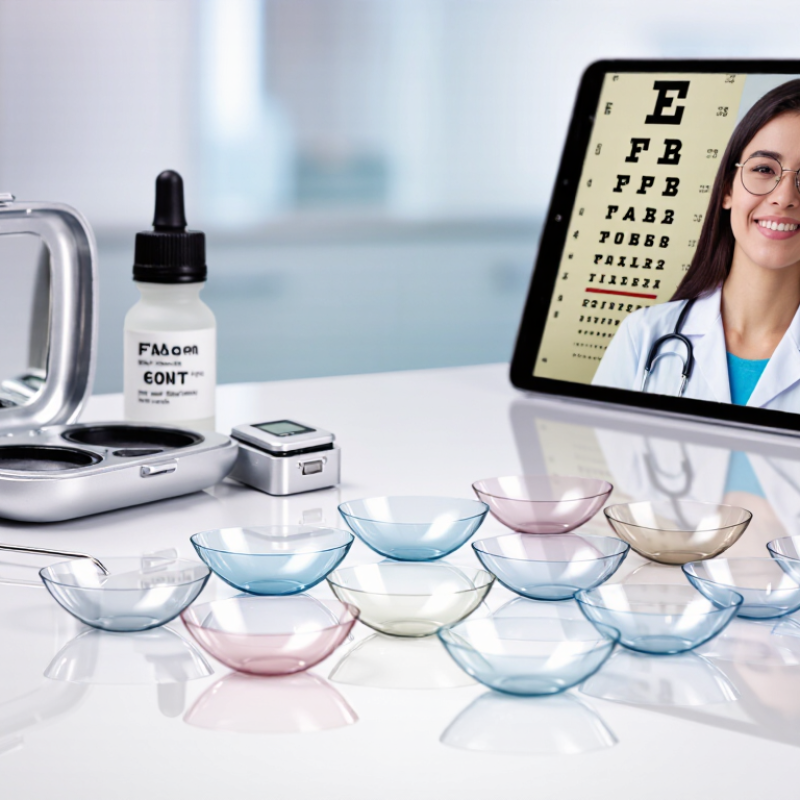
How to Choose Thinner Contact Lenses in 2026?

Understanding Contact Lens Thickness and Material Options

How to Choose Thinner Contact Lenses in 2026?

Contact lens thickness depends on prescription strength, material, design, and intended wearing time. A thinner lens may feel less noticeable, but thinness alone does not guarantee comfort. High prescriptions often need different thickness profiles for optical stability. Astigmatism may also require a specialized design.

Hydrogel and silicone hydrogel materials offer different experiences. Silicone hydrogel generally allows more oxygen to reach the cornea, while hydrogel lenses may feel softer for some wearers. However, material chemistry, moisture behavior, and surface treatment also matter. A lens can feel smooth initially, then become dry after several hours. That detail is easy to overlook.

Tips: Ask an eye-care professional to compare center thickness, oxygen transmissibility, water content, and replacement schedules. Bring your real routine to the fitting. Long screen sessions, air-conditioned rooms, and outdoor dust can change comfort. Never choose a thinner lens only because it feels lighter in your hand. I once assumed thinner always meant better; that assumption was incomplete. A slightly thicker lens may handle more easily and remain more stable on the eye. Stop wearing lenses if you notice pain, strong redness, light sensitivity, or blurred vision, and seek professional advice promptly.

Checking Your Prescription and Eye Health Requirements

How to Choose Thinner Contact Lenses in 2026?

Checking your prescription is the safest starting point when considering thinner contact lenses. A prescription includes more than lens strength. It may include base curve, diameter, cylinder, and axis measurements. These details affect comfort, vision, and how the lens moves across your cornea.

An eye-care professional should review your current prescription before you change lens thickness. Even a small prescription change can cause headaches or blurred vision. Thinner materials may allow more oxygen to reach the eye, but they are not automatically healthier. Your corneal shape, tear quality, allergies, and wearing schedule also matter. Someone with dry eyes may need a different design than someone who wears lenses for long workdays.

Look closely at your eye health. Redness, burning, unusual discharge, or pain requires prompt professional attention. Do not keep wearing lenses to “see if it improves.” I once underestimated how quickly mild dryness could become distracting during screen work. That experience was useful, but not a substitute for clinical advice. A proper fitting checks movement, vision, and comfort after the lens settles. Your professional may also examine the cornea with specialized instruments.

Ask how long you can wear the lenses safely. Ask about cleaning, replacement, and sleeping restrictions. Do not choose the thinnest option solely for a lighter feel. A poorly fitted lens can feel worse than a slightly thicker one. Personal comfort can be misleading. Your eyes may look fine while irritation develops quietly.

How to Choose Thinner Contact Lenses in 2026? - Checking Your Prescription and Eye Health Requirements

Decision Dimension What to Check Useful Clinical Information How It Affects a Thinner-Lens Choice Recommended Action
Prescription power Sphere, cylinder, axis, addition, and prescribed lens type Higher prescriptions generally require more careful control of thickness, optics, centration, and fit. Astigmatism and multifocal prescriptions may need specialized designs. A thinner design may reduce material thickness, but the thinnest option is not automatically the clearest or safest option. Use the current prescription
Do not select lens power from a glasses prescription without a professional conversion and fitting.
Prescription recency Date of the last eye examination and any recent prescription changes Contact-lens prescriptions include lens-specific parameters such as base curve, diameter, material, and replacement schedule. These are different from spectacle prescriptions. An outdated prescription can cause blur, discomfort, headaches, or excessive eye strain regardless of lens thickness. Confirm before ordering
Obtain an updated contact-lens prescription if vision has changed or the examination is no longer current.
Oxygen transmissibility Material oxygen permeability and the finished lens thickness Oxygen transmissibility, commonly expressed as Dk/t, depends on both material permeability and lens thickness. A thinner lens can improve oxygen delivery only when the material and design are appropriate. For frequent wear, extended daily wear, or eyes prone to redness, oxygen performance may matter more than choosing the absolute thinnest lens. Prioritize adequate oxygen delivery
Ask an eye-care professional to select the material and wear schedule.
Wear schedule Daily wear, occasional wear, or overnight wear Overnight wear carries a higher risk of contact-lens-related corneal infection than daily wear. Many lenses are approved only for removal before sleep. A very thin lens does not make sleeping in lenses safe unless the specific lens is prescribed and approved for that schedule. Follow the prescribed schedule
Remove lenses before sleeping unless overnight wear has been specifically authorized.
Water content Low-, medium-, or high-water material and end-of-day comfort High-water lenses may initially feel comfortable but can lose water during wear and may worsen dryness for some people. Low-water materials are not automatically better for every eye. Thickness alone does not determine comfort. Tear-film quality, blinking, screen use, environment, and material properties all contribute. Match the material to the eye
Discuss dryness, burning, fluctuating vision, and air-conditioned or screen-heavy environments during fitting.
Lens modulus and flexibility Material stiffness, edge profile, movement, and comfort Stiffer materials can provide stable vision but may feel more noticeable. More flexible lenses may feel softer but can move or fold if the fit is unsuitable. A thinner lens may feel less noticeable, but excessive flexibility or poor edge design can increase movement, blur, or irritation. Assess movement and comfort
A qualified fitter should evaluate the lens on the eye rather than judging thickness by packaging specifications alone.
Base curve and diameter Lens curvature, diameter, centration, and movement after blinking A contact lens must fit the individual cornea. A lens that is too tight may restrict tear exchange; one that is too loose may move excessively or decenter. Changing to a thinner lens with different dimensions can alter fit, vision, comfort, and corneal physiology. Require a proper fitting
Do not substitute a different lens design solely because it has a lower center thickness.
Astigmatism correction Cylinder power, axis stability, and rotational behavior Toric lenses require orientation control. If the lens rotates, vision may fluctuate even when the prescription power is correct. A thinner toric lens is useful only if it remains stable and maintains the intended optical axis. Prioritize stable vision
Evaluate vision after blinking, looking in different directions, and wearing the lens for an appropriate period.
Presbyopia correction Near-vision needs, reading distance, working distance, and lighting conditions Multifocal or monovision designs may involve compromises between distance clarity, intermediate vision, and near vision. Reducing thickness should not compromise the optical design needed for functional near vision. Test real-world vision
Check distance, computer, and reading vision before finalizing the lens choice.
Corneal and ocular health Corneal staining, redness, swelling, inflammation, infection, allergies, and tear-film status Contact lenses may be unsuitable during active infection, significant inflammation, unexplained pain, or some forms of severe dry eye. Eye health takes priority over thinness. A thinner lens cannot correct an unhealthy ocular surface. Pause wear when necessary
Seek professional assessment for pain, marked redness, light sensitivity, discharge, or sudden vision reduction.
Replacement schedule Daily disposable, planned replacement, or another prescribed schedule Replacing lenses on schedule helps limit deposits and surface degradation. Reusing a lens beyond its approved period can increase discomfort and complications. A thin lens that has accumulated deposits may perform worse than a properly replaced lens of a different design. Replace on schedule
Never extend replacement intervals to save cost or because the lens still appears clear.
Cleaning and handling Hand hygiene, approved disinfecting solution, storage case care, and water exposure Tap water, saliva, swimming, and shower exposure can introduce microorganisms. Saline does not disinfect lenses. Thinness does not reduce contamination risk or eliminate the need for correct hygiene. Use safe hygiene practices
Wash and dry hands, use the recommended care system, and keep lenses away from non-sterile water.
Daily environment Screen time, low humidity, air conditioning, wind, dust, and occupational exposure Reduced blinking and environmental drying can cause fluctuating vision and discomfort. Protective eyewear may help in dusty or windy settings. A thinner lens may not solve environment-related dryness or lens awareness. Manage the environment
Take blink breaks, consider suitable lubricating drops if approved, and use protective eyewear where appropriate.
Comfort and visual performance End-of-day comfort, stable acuity, lens awareness, and visual fluctuations Comfort is subjective and can change during the day. A lens should be assessed after adequate settling time, not only immediately after insertion. The best choice balances low profile, optical quality, oxygen delivery, stability, and comfort. Compare clinically, not visually
Choose the lens that performs well on the eye, rather than the lens that merely has the smallest listed thickness.

Safety note: Contact lenses are medical devices. Lens thickness, oxygen performance, material, base curve, diameter, and wear schedule should be selected and verified by a qualified eye-care professional. Remove lenses and seek prompt eye care for pain, unusual redness, discharge, light sensitivity, or sudden blurred vision.

Comparing Oxygen Permeability, Comfort, and Lens Durability

How to Choose Thinner Contact Lenses in 2026?

Thinner contact lenses can feel lighter, but thinness alone does not guarantee comfort. Oxygen permeability matters because the cornea receives oxygen directly from the surrounding air. Check the lens’s Dk/t value with an eye-care professional. A higher value may support healthier daily wear, but fit and wearing time still matter. During fittings, I have noticed that a lens can feel smooth in the morning yet become dry by late afternoon. Small details matter, such as screen use, air conditioning, and tear stability. Comfort is personal.

Tips: Ask how the lens moves when you blink. It should not slide excessively or feel tight. Try a short wearing schedule before extending use. Keep a record of redness, dryness, and blurred vision. If discomfort continues, remove the lenses and seek professional advice.

Durability deserves equal attention. Very thin materials may tear more easily during removal, especially with dry fingers or long nails. A slightly thicker edge may handle daily cleaning better, even if it feels less noticeable. Never judge durability by appearance alone. Follow the recommended replacement schedule, because a lens may look clean while collecting deposits. I used to assume thinner meant more advanced. That assumption was incomplete. Material design, moisture behavior, and manufacturing quality can matter more than thickness. Your prescription, eye shape, and wearing habits should guide the final choice.

Choosing the Right Lens Design for Your Vision Needs

How to Choose Thinner Contact Lenses in 2026?

Choosing the Right Lens Design for Your Vision Needs

Thinner contact lenses can feel lighter, but thickness alone should not guide your choice. A licensed eye-care professional should assess your prescription, corneal shape, tear quality, and wearing schedule. A lens that looks slim may still feel uncomfortable if its design does not match your eyes.

Your vision needs determine the best lens design. If you have astigmatism, a toric lens may provide steadier focus than a standard spherical lens. Presbyopia may require a multifocal design, even when a thinner single-vision lens seems more attractive.

People with dry eyes might benefit from a material that supports moisture retention and oxygen flow. Daily lenses can also reduce buildup from repeated handling.

Fit matters greatly.

During a fitting, notice practical details. Does the lens shift when you blink? Do streetlights appear blurred at night? Does the lens feel dry after several hours in an air-conditioned room? These observations help refine the prescription and design. Thinner is not automatically healthier or clearer. I once assumed less material meant greater comfort, but eye movement and moisture balance can matter more.

Avoid choosing lenses from appearance or online claims alone. Replace them as directed, never sleep in lenses unless specifically approved, and seek professional advice when redness or pain appears. A careful fitting may require patience, and the first option may not be the right one.

Confirming Fit, Safety, and Replacement Guidelines with an Eye Doctor

How to Choose Thinner Contact Lenses in 2026?

Thinner contact lenses can feel lighter, but thinness alone does not guarantee comfort or safety. An eye doctor should confirm your prescription, corneal shape, base curve, and lens diameter. These details affect movement and centration on your eye. During an examination, the doctor may check tear quality, redness, corneal staining, and oxygen delivery. A lens that feels comfortable during a short trial may still cause dryness later. Comfort is not proof of a perfect fit.

Tips: Ask for a trial pair and wear it during normal activities. Notice dryness, shifting, blurred vision, or a tight feeling. Never change lens thickness or replacement timing without professional advice. Replace lenses according to the prescribed schedule, even when they look clean. Keep the case hygienic and use approved care products. Avoid sleeping or swimming in lenses unless your eye doctor specifically permits it.

Stop wearing the lenses and seek prompt eye care if you experience pain, strong redness, light sensitivity, discharge, or sudden blurry vision. Do not wait for symptoms to disappear. A practical mistake is trusting online comfort reviews more than an eye examination. Individual eyes differ greatly. Your doctor should also reassess the fit when your prescription changes, your eyes become drier, or the lens repeatedly moves during blinking. Thin lenses can be useful, but the safest choice is the one that fits your eyes and matches your replacement plan.

FAQS

Does a thinner contact lens always feel more comfortable?

No. Thinness may reduce awareness, but fit, moisture, movement, and prescription strength matter more. Lighter is not always better.

Which factors determine contact lens thickness?

Prescription strength, material, lens design, and wearing time all influence thickness. Strong prescriptions may need thicker profiles for stability.

Are hydrogel and silicone hydrogel lenses different?

Yes. Silicone hydrogel usually allows more oxygen to reach the cornea. Hydrogel may feel softer for some wearers.

Can a thin lens become uncomfortable later?

Yes. A lens may feel smooth initially, then become dry after several hours. Air conditioning and long screen sessions can worsen dryness.

What lens design may help with astigmatism?

A toric design may provide steadier focus than a standard spherical lens. The lens should remain centered during blinking.

What design may suit presbyopia?

A multifocal design may be appropriate. A thinner single-vision lens may look attractive but fail to meet your vision needs.

What should an eye doctor check during fitting?

The doctor should check prescription, corneal shape, base curve, diameter, tear quality, and lens movement. Fit matters greatly.

How can I test a lens during daily activities?

Use a trial pair during screen work, outdoor time, and air-conditioned hours. Notice shifting, dryness, blurred vision, or tightness.

When should I stop wearing contact lenses?

Stop immediately for pain, strong redness, light sensitivity, discharge, or sudden blurred vision. Seek prompt professional advice. Do not wait.

How should I manage replacement and hygiene?

Follow the prescribed replacement schedule, even when lenses look clean. Keep the case hygienic and use approved care products. Never sleep or swim in lenses unless specifically permitted.

Conclusion

Choosing Thinner Contact Lenses in 2026 requires more than selecting the slimmest option available. Lens thickness depends on the material, prescription strength, design, and intended wearing schedule. Start by reviewing your prescription and overall eye health with an eye-care professional, since certain prescriptions or conditions may require specific lens features. Important factors include oxygen permeability, moisture retention, comfort during extended wear, and durability during handling and daily use.

The right lens design should match your vision needs, whether you require correction for nearsightedness, farsightedness, astigmatism, or age-related focusing changes. A thinner lens can improve comfort and appearance, but it must still provide stable vision and a secure fit. Before making a choice, have the lenses professionally fitted and confirm cleaning, storage, replacement, and wearing guidelines. Regular eye examinations are also essential to ensure the lenses remain safe, comfortable, and suitable as your vision or eye health changes.

Oliver

Oliver

Oliver is a seasoned marketing professional with a wealth of expertise in driving brand awareness and engagement. With a deep understanding of our company's product offerings, he consistently delivers high-quality content that enriches our professional blog. His insights not only shed light on......