Comfort Contact Lenses are no longer judged by vision alone. Wearers expect clear sight, stable movement, and a lens that feels almost invisible. Yet comfort remains personal. A lens that feels smooth for eight hours may become irritating during a long commute, dry office day, or evening outdoors.
Dr. Lyndon Jones, a respected contact lens researcher, has said, “Comfort is not a luxury; it is central to successful lens wear.” This idea guides our review of the Top 10 Comfort Contact Lenses Manufacturers Worldwide. We examine material technology, oxygen permeability, moisture retention, edge design, manufacturing consistency, and clinical support. We also consider practical experiences, including lens handling, end-of-day dryness, and comfort after extended screen use.
The strongest manufacturers do more than produce soft lenses. They invest in research, quality control, fitting systems, and patient education. Some focus on silicone hydrogel platforms. Others develop daily disposables with water-rich surfaces or specialized designs for astigmatism and presbyopia.
Not every claim is equally convincing. Marketing language can sound impressive. Real comfort depends on the wearer, prescription, environment, and fitting accuracy. That matters.
This ranking is therefore not a universal verdict. It is a structured comparison based on technical evidence, market reputation, product range, and user-centered performance. Readers should still consult qualified eye-care professionals before choosing lenses. Even the most advanced Comfort Contact Lenses may fail when the fit is wrong.
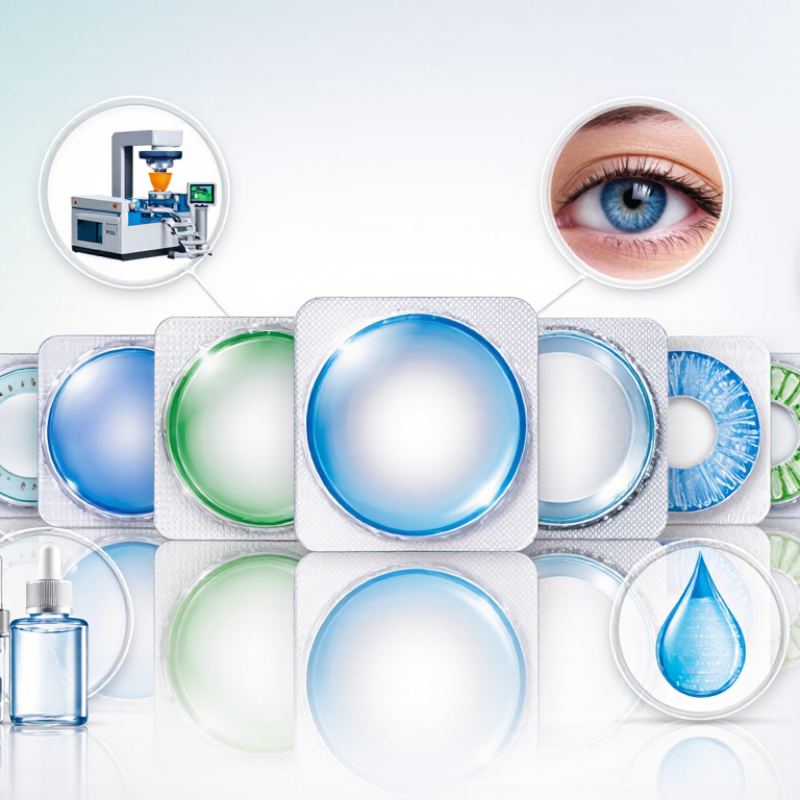
Comfort begins with a stable fit, not a soft marketing promise. A well-designed lens moves slightly with each blink, allowing tears to refresh the surface. Material oxygen transmission also matters, especially during long wearing periods. The TFOS DEWS II report identifies contact lens discomfort as episodic or persistent ocular sensations linked to lens wear, sometimes with blurred vision.
Fit matters. Moisture matters.
Surface wettability can reduce friction between the lens and eyelid. However, comfort is personal and changes with screen use, allergies, climate, and tear quality. The American Optometric Association advises regular professional examinations because an apparently comfortable lens may still create physiological stress. I would not treat comfort ratings as universal. One wearer’s smooth morning may become another wearer’s dry afternoon.
Tips: Replace lenses on schedule, wash and dry hands carefully, and never use tap water for storage. The CDC’s MMWR survey found that 99% of respondents reported at least one risky contact-lens hygiene behavior. That figure is uncomfortable, but useful. It shows that lens performance depends partly on daily habits. Blink deliberately during screen work, carry approved rewetting drops, and remove lenses when irritation persists. Do not “push through” pain. A professional assessment is safer than guessing.
Comfort contact lenses begin with a careful balance between vision, moisture, and eye health. Designers study corneal shape, blinking patterns, and wearing time before choosing a lens material. Modern materials often allow oxygen to reach the cornea while retaining enough water for smooth movement. The lens edge is shaped gently, because even a tiny ridge can cause noticeable irritation.
Manufacturing requires controlled, repeatable steps. A company may use precision molding or computer-guided cutting to create the lens geometry. Each lens is hydrated, polished, inspected, and packaged in sterile saline. Optical power, diameter, thickness, surface quality, and seal integrity are tested in batches. Clinical professionals also review comfort data from real wearers. No design is perfect. Some users still report dryness, especially in heated rooms or during long screen sessions. That feedback should lead to revision, not dismissal.
Tips: Choose lenses only after a qualified eye examination. Follow the approved wearing schedule and replace lenses as directed. Wash and dry your hands before handling them. Never sleep in lenses unless an eye-care professional specifically approves it. If redness, pain, or blurred vision appears, remove the lenses and seek professional advice. Comfort is useful, but safety must guide every design and manufacturing decision.
Anonymous global manufacturer profiles organized by comfort-focused lens design, materials, manufacturing technology, and quality-control practices
| No. | Manufacturer Profile | Typical Lens Material | Primary Manufacturing Process | Comfort-Oriented Design Features | Oxygen-Management Strategy | Typical Replacement Model | Manufacturing and Quality Controls | How Comfort Is Supported |
|---|---|---|---|---|---|---|---|---|
| 1 | Daily Disposable Specialist | Silicone hydrogel or conventional hydrogel | High-volume cast molding with automated inspection | Thin edge, stable optical zone, smooth surface, and low lens mass | Uses a high-oxygen-permeable material or a thin hydrogel profile to support corneal oxygen delivery | Single use | Automated power, diameter, base-curve, cosmetic, and defect inspection; sterile blister packaging | Fresh lens surface every day reduces deposits and the need for cleaning solutions |
| 2 | Silicone Hydrogel Technology Manufacturer | Silicone hydrogel | Precision cast molding followed by hydration and surface treatment | Controlled modulus, rounded edge geometry, and optimized front-surface wettability | Silicone-based polymer networks provide substantially higher oxygen permeability than conventional hydrogel materials | Daily, two-week, or monthly | Material testing, dimensional measurement, power verification, extractables testing, and biocompatibility evaluation | Balances oxygen transmission with surface moisture retention and acceptable lens movement |
| 3 | Moisture-Retention Lens Manufacturer | Hydrogel or surface-modified silicone hydrogel | Mold production with polymer treatment or internal wetting technology | Water-binding polymer components, smooth surface, and controlled dehydration behavior | Selects material permeability and lens thickness together to manage oxygen transmission | Daily or monthly | Dehydration studies, surface-wettability tests, package-solution compatibility checks, and visual inspection | Helps limit end-of-day dryness caused by tear-film evaporation and surface dehydration |
| 4 | Precision Toric Lens Manufacturer | Hydrogel or silicone hydrogel | Cast molding or lathe-cutting with rotational-stability controls | Ballast or prism-balancing geometry, orientation marks, and stabilized peripheral zones | Maintains adequate oxygen transmission while adding stabilization geometry | Daily, two-week, or monthly | Axis, cylinder power, rotational recovery, back-vertex power, and orientation verification | Predictable stabilization reduces blur, repeated blinking, and unnecessary lens repositioning |
| 5 | Multifocal Lens Manufacturer | Hydrogel or silicone hydrogel | Multi-zone cast molding or digitally controlled lathe-cutting | Concentric, aspheric, or hybrid power profiles with a smooth transition between zones | Uses material selection and center-thickness control to support oxygen delivery across the power profile | Daily or monthly | Verification of distance and near powers, zone geometry, diameter, thickness, and visual performance | Stable centration and smooth power transitions support vision without excessive lens awareness |
| 6 | Custom and Specialty Lens Manufacturer | Specialty hydrogel, silicone hydrogel, or rigid gas-permeable polymer | Computer-controlled lathe-cutting and individualized finishing | Customized sagittal depth, diameter, base curve, edge profile, and optical correction | Chooses a material and thickness profile according to the intended wearing schedule and clinical design | Monthly, quarterly, or prescribed schedule | Patient-specific parameter checks, profilometry, optical verification, surface inspection, and traceability records | Individualized geometry can improve fit on irregular corneas or eyes that do not suit standard parameters |
| 7 | Rigid Gas-Permeable Lens Manufacturer | Oxygen-permeable rigid polymer | Precision lathe-cutting, polishing, and edge finishing | Small or large-diameter designs, customized peripheral curves, and polished edges | Uses a gas-permeable polymer to allow oxygen to pass through the lens material | Annual or prescribed schedule | Surface roughness, optical power, diameter, base curve, edge profile, and dimensional inspection | A highly polished surface and accurate fit can reduce mechanical irritation and lens movement problems |
| 8 | Large-Diameter Scleral Lens Manufacturer | High-oxygen-permeable rigid polymer | Digital design, CNC lathe-cutting, polishing, and customized finishing | Vaulted central zone, fluid reservoir, and landing zone designed for controlled scleral bearing | Uses high-permeability material and manages central thickness and reservoir depth | Annual or prescribed schedule | Vault and landing-zone verification, optical inspection, dimensional checks, and surface-quality testing | The fluid reservoir can shield the cornea from the eyelid and irregular ocular surface |
| 9 | Color and Cosmetic Lens Manufacturer | Hydrogel or silicone hydrogel with embedded pigment | Cast molding with controlled pigment placement and encapsulation | Smooth pigment boundaries, clear optical zone, rounded edge, and controlled iris-pattern alignment | Controls pigment placement and lens thickness so the design does not unnecessarily restrict oxygen transmission | Daily or monthly | Color consistency, pigment encapsulation, optical-zone alignment, sterility, and surface-defect inspection | Encapsulated pigment and a smooth surface help prevent pigment exposure and eyelid interaction |
| 10 | High-Volume Integrated Manufacturer | Multiple approved hydrogel and silicone hydrogel formulations | Automated polymerization, cast molding, hydration, inspection, and blister packaging | Application-specific designs covering spherical, toric, multifocal, and cosmetic formats | Matches material permeability, water content, lens thickness, and wearing schedule during product development | Daily, two-week, or monthly | Process validation, statistical process control, batch traceability, sterility assurance, and release testing | Consistent manufacturing tolerances help maintain predictable fit, vision, hydration, and lens performance |
Technical note: Actual lens parameters vary by product and regulatory market. Comfort performance depends on material properties, lens geometry, wearing time, tear-film condition, fitting, cleaning practice, and professional eye-care guidance.
Comfort in contact lenses begins with material science, but it does not end there. Traditional hydrogel materials hold water within the lens, creating a soft, familiar feel during initial wear. Silicone hydrogel materials allow more oxygen to reach the cornea, which supports longer daily wear for many users. However, higher oxygen transmission can sometimes bring greater stiffness or surface dryness. Comfort is a balance, not a single specification.
Surface technology matters at the eye’s surface. Smooth coatings can reduce friction during blinking, while improved wettability helps tears spread evenly across the lens. Some manufacturers also adjust the lens modulus, edge profile, and water gradient. These details influence how a lens moves over the eye. A thin, rounded edge may feel less noticeable, especially when the wearer blinks frequently or works near a screen.
Small differences matter.
In clinical evaluations, practitioners often examine redness, tear stability, movement, and end-of-day comfort rather than relying on packaging claims. A lens that feels excellent at 8 a.m. may become dry by late afternoon. I have also found that users sometimes blame the material when poor fit, cosmetics, air conditioning, or extended screen use is the real issue. Material research keeps improving, yet no design suits every eye. Careful fitting and honest wearer feedback remain essential parts of comfort technology.
A credible list of the top 10 comfort contact lens manufacturers worldwide should examine evidence, not advertising claims. Manufacturing experience matters, especially in silicone hydrogel design, moisture retention, and oxygen transmission. Reliable companies usually maintain documented quality systems, clinical testing, and careful material screening. International compliance also matters because comfort products must meet different regional safety requirements.
Comfort is personal. A lens that feels smooth for eight hours may feel dry after ten. Eye shape, tear quality, screen use, climate, and wearing habits all influence the result. Leading manufacturers often develop daily, toric, and multifocal options for different visual needs. However, rankings can change as new clinical data appears. I would not treat any top-ten list as permanent.
Tips: Check the replacement schedule and material details. Ask an eye-care professional to assess fit, movement, and dryness. Never choose lenses only because they feel inexpensive. Notice redness, fluctuating vision, or unusual irritation. Remove the lenses and seek professional advice if symptoms continue. Clean handling is essential, but even careful users can experience discomfort. That limitation deserves more attention.
Comparing the top comfort contact lens manufacturers requires more than reading a global sales ranking. In practice, comfort depends on material, fit, moisture behavior, and wearing time. A lens that feels smooth at noon may become dry after eight hours. That difference matters.
Start by comparing oxygen permeability and water content. Higher water content does not always mean better comfort. Some eyes lose moisture quickly. Check the lens modulus, edge design, base curve range, and available powers. Wider parameter options can support more accurate fitting. Manufacturing consistency also deserves attention. Small changes in thickness or curvature may affect vision and movement.
Look for published clinical evidence, transparent quality controls, and clearly documented replacement schedules. Reliable manufacturers usually provide technical data, professional fitting guidance, and traceable packaging information. Regional approvals are important, but approval alone does not prove universal comfort. Independent evaluations can reveal differences between laboratory results and daily wear. Ask how products perform in dry offices, heated rooms, and long screen sessions. Real use is messier.
Price should be compared with replacement frequency, not only with the cost of one box. Customer support and supply stability may influence long-term satisfaction. Still, no manufacturer suits every wearer. Personal experience can be useful, but it can also mislead. A comfortable first week is not final evidence. A qualified eye-care professional should assess fit, vision, and eye health before regular use.
This chart compares objective specifications commonly used to evaluate comfort lenses globally. The figures are representative published ranges for soft lens product categories and are shown without company or brand names. Higher oxygen transmissibility generally supports corneal oxygen supply, while water content and replacement schedule also influence comfort, handling, and wearing experience.
Oxygen transmissibility is measured in Dk/t. Values are representative category benchmarks; actual specifications vary by lens design, prescription power, and manufacturer.
Comfort depends on stable fit, moisture, oxygen transmission, and smooth movement. The lens should move slightly during blinking. This helps tears refresh its surface. Comfort is personal.
A suitable lens follows the eye without excessive movement or pressure. Poor fit may cause redness, dryness, blurred vision, or irritation. An eye-care professional can assess movement and alignment more accurately than packaging claims.
Traditional hydrogel lenses hold water and often feel soft initially. Silicone hydrogel lenses allow more oxygen to reach the cornea. They may also feel stiffer or drier for some users. There is no perfect material.
Smooth surfaces can reduce friction between the lens and eyelid. Good wettability helps tears spread across the lens. Edge shape, thickness, and lens flexibility also affect blinking comfort. Small differences matter.
Yes, prolonged screen use often reduces blinking. The lens surface may become dry during a long afternoon. Try deliberate blinking during computer work. Your eyes may still complain.
Wash and dry your hands before touching lenses. Replace lenses according to the recommended schedule. Never store lenses in tap water. Use only approved care products and storage solutions.
Remove the lenses when pain, persistent irritation, redness, or unusual blurred vision appears. Do not push through discomfort for another few hours. Seek professional advice if symptoms continue. Guessing is not a fitting method.
Look for documented quality systems, material testing, and clinical evidence. Manufacturing experience in moisture retention and oxygen transmission can also matter. Check whether different vision needs are supported. Rankings can change.
Not necessarily, but price alone cannot prove comfort or safety. Compare replacement schedules, material details, fitting support, and professional recommendations. A low-cost lens may become expensive if it causes repeated discomfort. That deserves reflection.
Comfort Contact Lenses are designed to provide clear vision while supporting moisture balance, oxygen flow, and all-day wearing comfort. Their performance depends on factors such as lens shape, edge design, surface smoothness, water content, breathability, and resistance to deposits. Modern manufacturing combines precise molding, advanced material processing, and strict quality control to create lenses that fit consistently and reduce dryness, irritation, and visual fluctuation.
This article introduces the top 10 comfort contact lens manufacturers worldwide without focusing on individual brand names. It explains how leading manufacturers develop lenses through research, clinical evaluation, automated production, and careful inspection. Key materials and technologies include silicone-based polymers, moisture-retaining surfaces, UV-filtering features, and customized designs for different wearing schedules. It also offers practical guidance for comparing global manufacturers by examining product quality, material innovation, manufacturing standards, prescription range, customization options, regulatory compliance, and after-sales support.

Blink Lenses