Explore our leading export-grade cosmetic and corrective contact lenses. Precision cast-molding guarantees daily comfort and long-wear safety.


Analyzing the evolution of contact lens manufacturing, materials technology, and the strict physiological parameters governing corneal safety.
The global contact lens market has undergone a major transition from rigid PMMA lenses to highly flexible, oxygen-permeable polymers. Contact lens comfort is no longer defined simply by a lens feeling soft to the touch; rather, it is measured by a complex interaction between material hydration, surface coefficient of friction, oxygen transmissibility, and ocular surface compatibility.
Traditional hydrogels, primarily based on HEMA (2-hydroxyethyl methacrylate) copolymerized with monomers like MAA (methacrylic acid) or NVP (N-vinyl pyrrolidone), rely entirely on their water content to transport oxygen to the cornea. However, high water content hydrogels are prone to dehydration throughout the day, drawing moisture from the tear film and leading to dry eyes.
To solve this paradox, the industry developed Silicone Hydrogels, which incorporate silicone macromers. Silicones provide high intrinsic oxygen permeability, allowing oxygen to pass directly through the polymer matrix. By combining silicone with hydrophilic monomers, manufacturers can offer lenses with low water content but exceptionally high oxygen transmissibility (Dk/t), ensuring the cornea remains healthy and comfortable during long wear times.
"The key design challenge for modern contact lenses is to balance oxygen transmission (Dk/t) with surface wetness and a low elastic modulus. High silicone content increases oxygen permeability but also increases lens stiffness (modulus) and surface hydrophobicity. Excellent lens design requires balancing these trade-offs to protect corneal health."
For optical distributors and private-label brands, selecting a supplier requires evaluating the technical specifications of their materials:
By controlling the surface properties, our factory reduces the friction between the eyelid and the lens surface (known as the coefficient of friction). A low coefficient of friction is critical to preventing Giant Papillary Conjunctivitis (GPC) and dry-eye symptoms, which are the main reasons consumers stop wearing contact lenses.
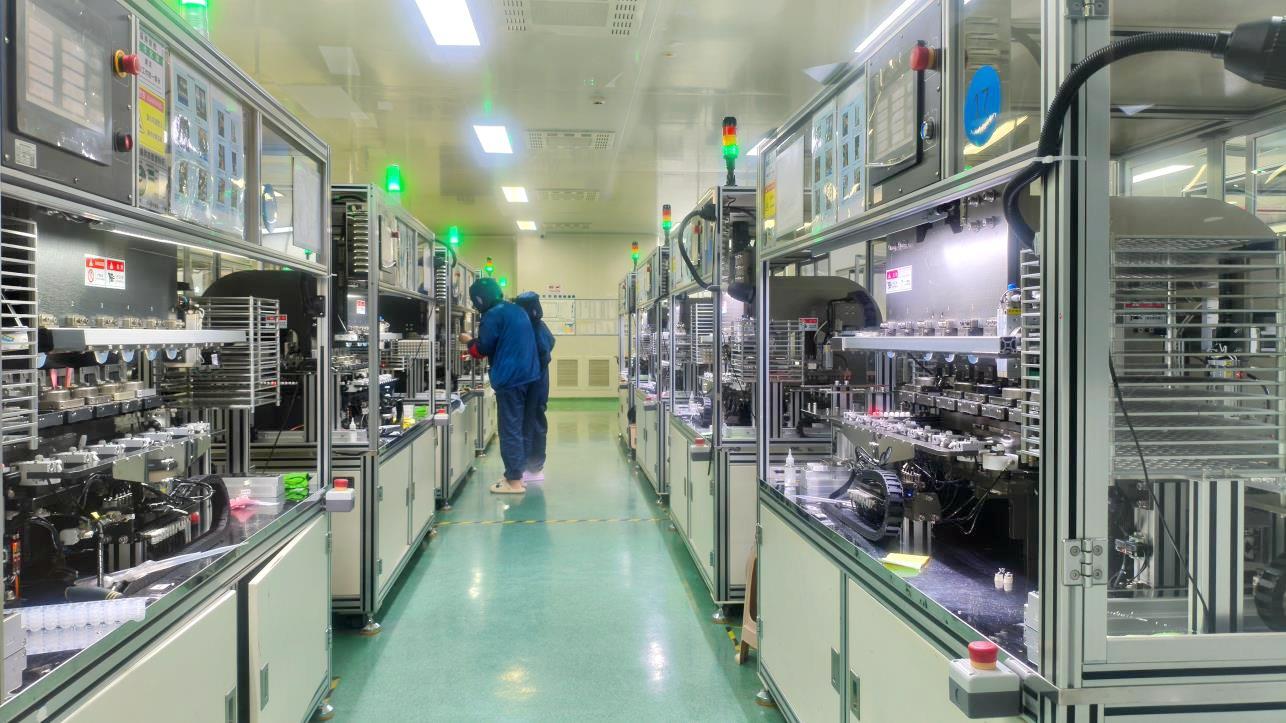
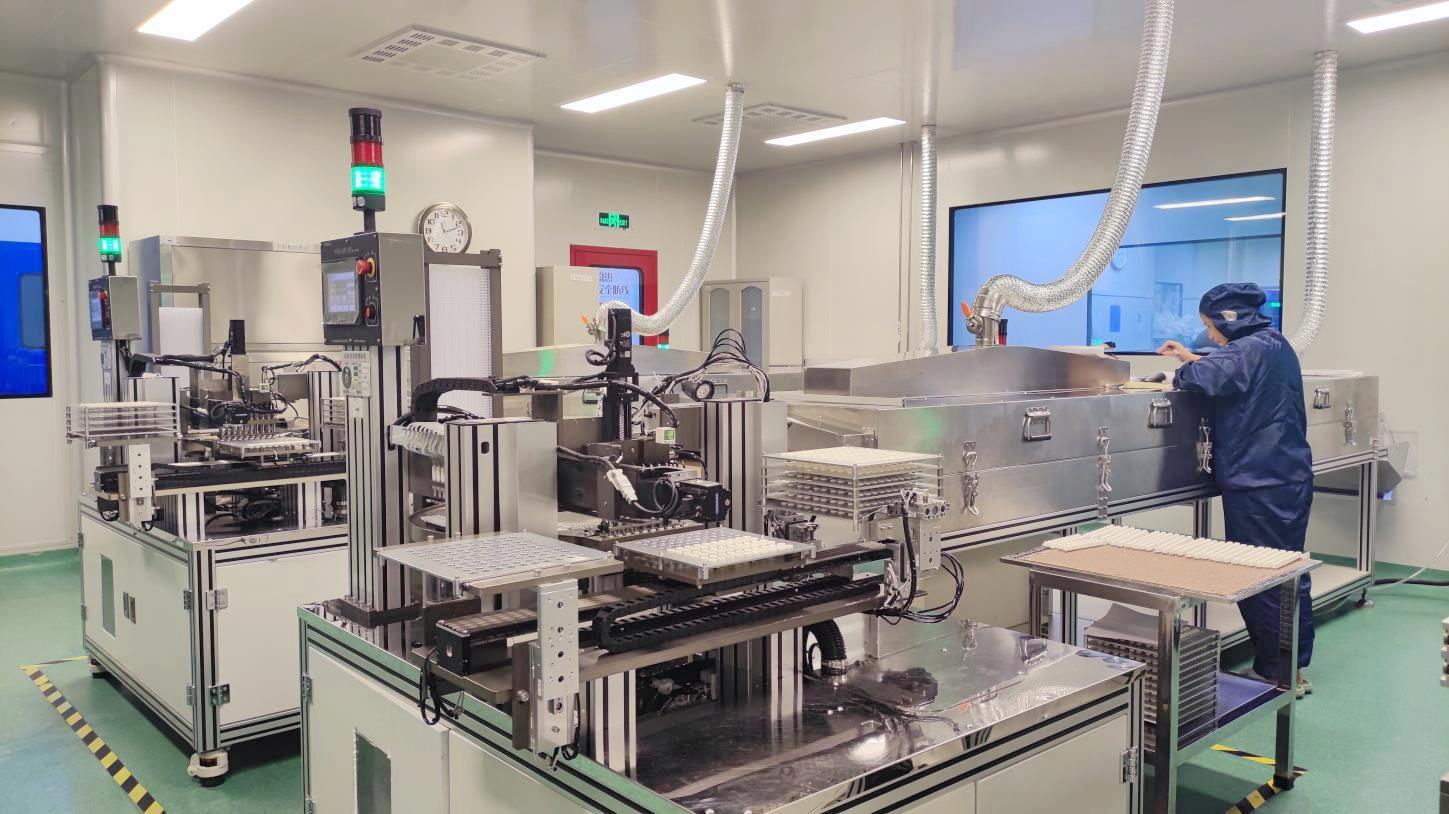
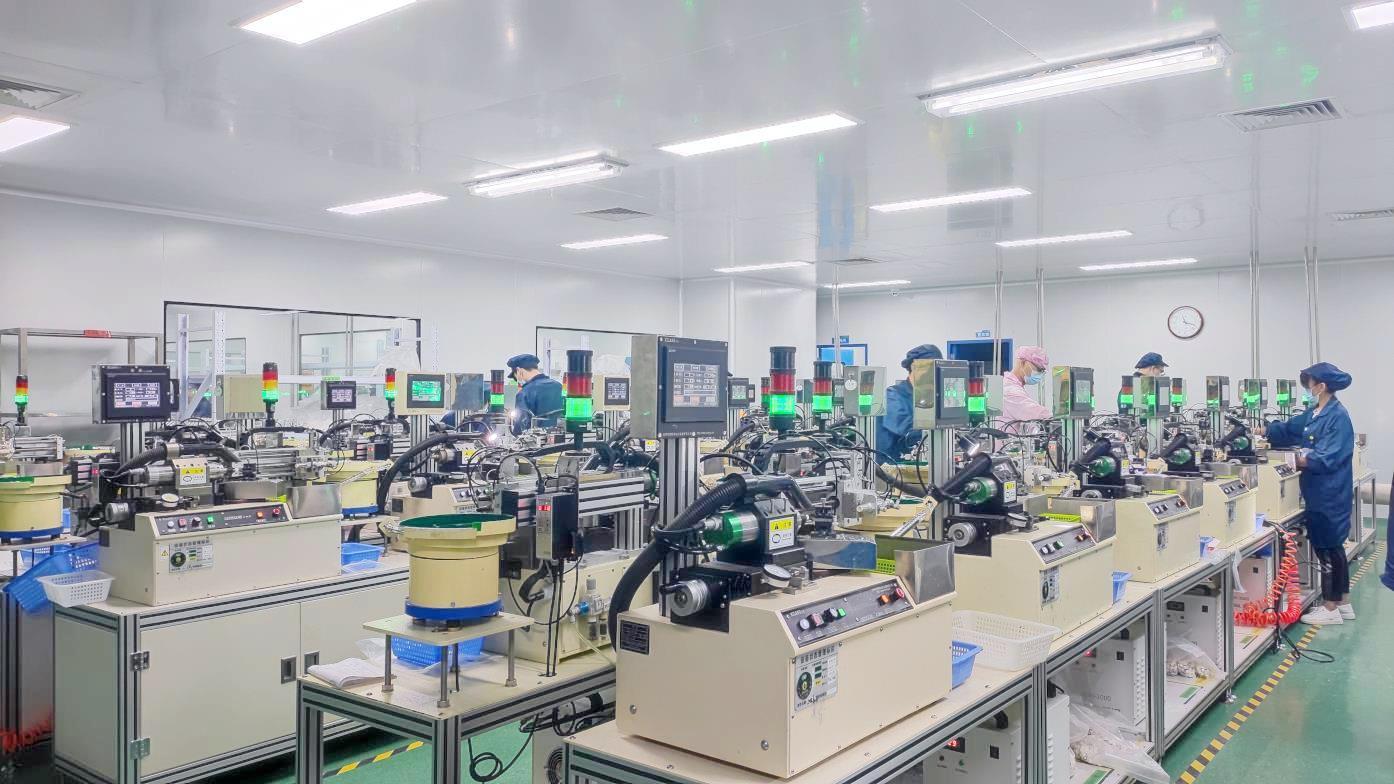
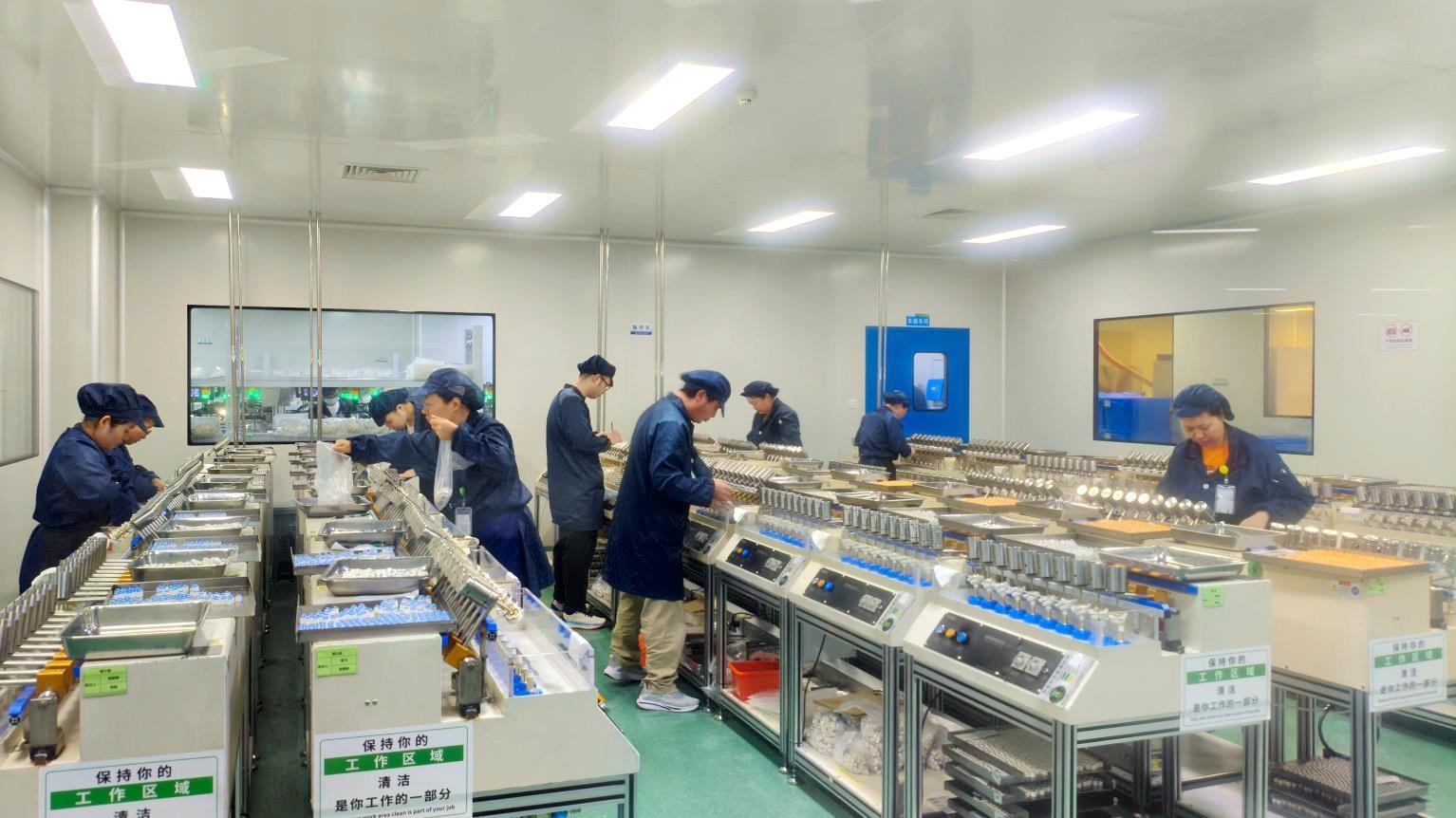
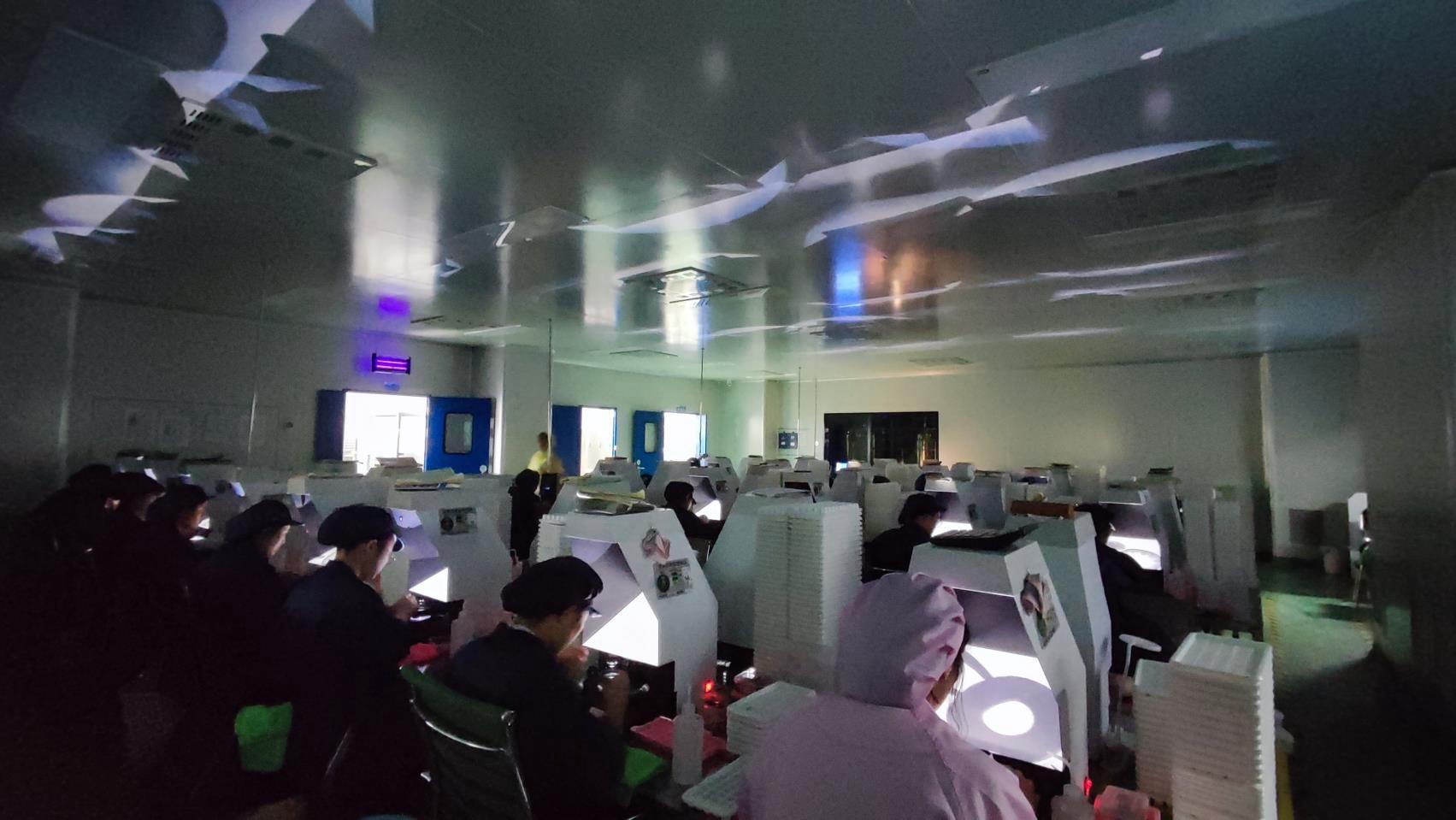
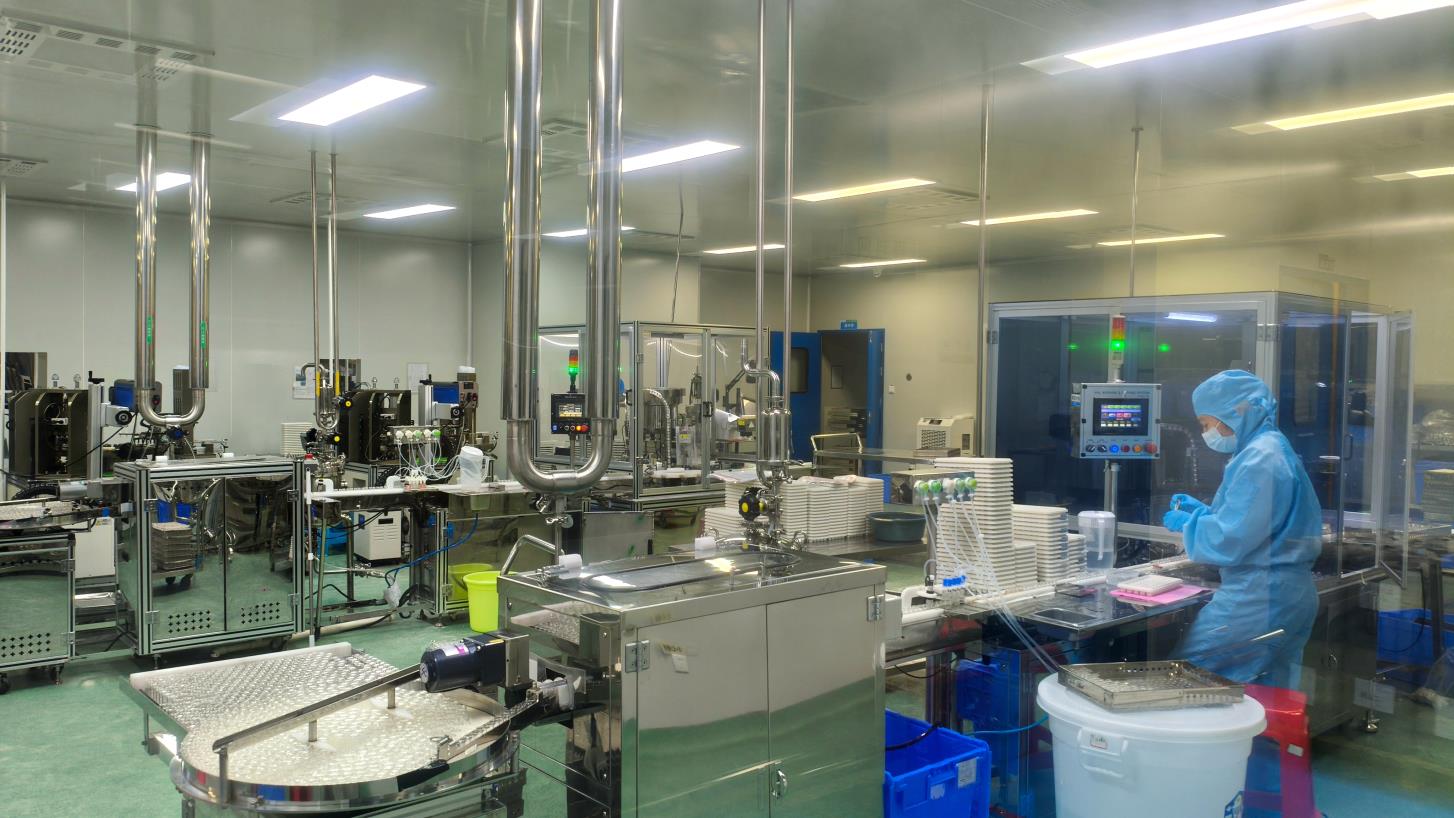
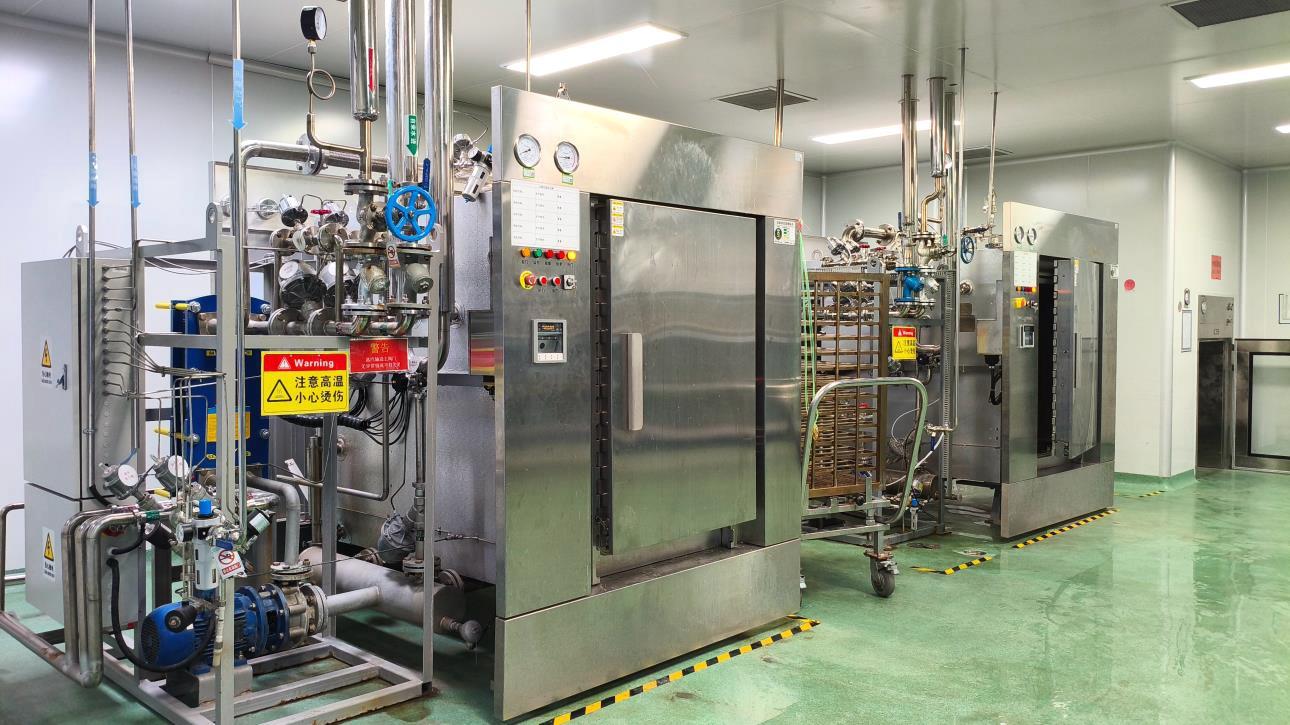
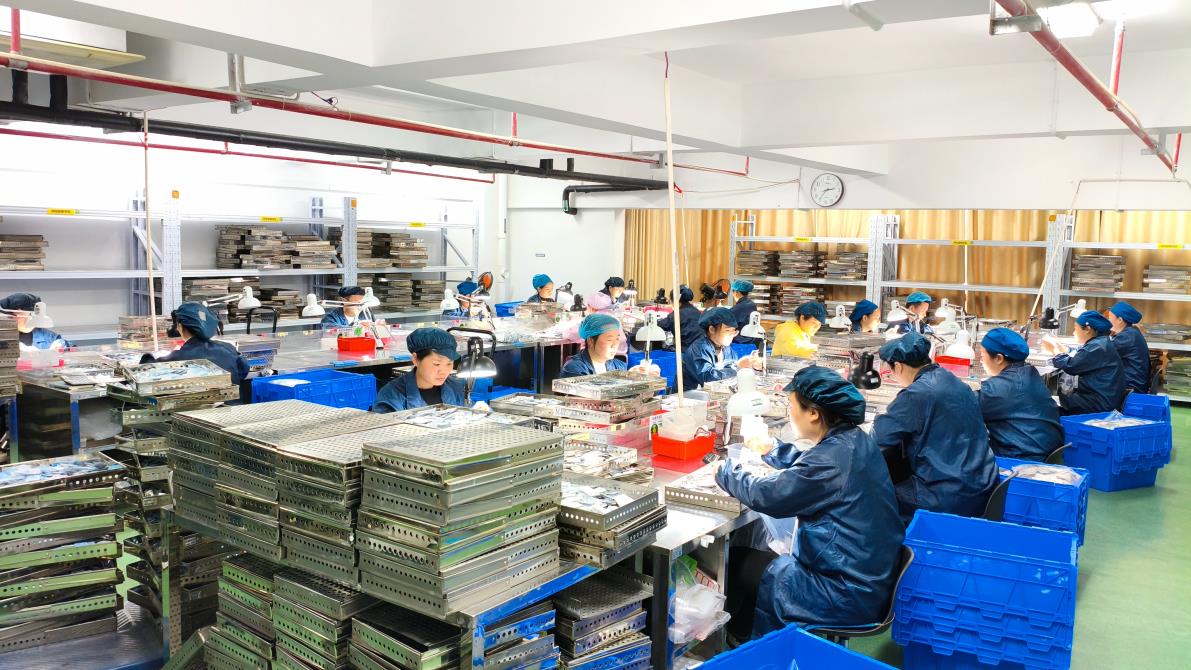
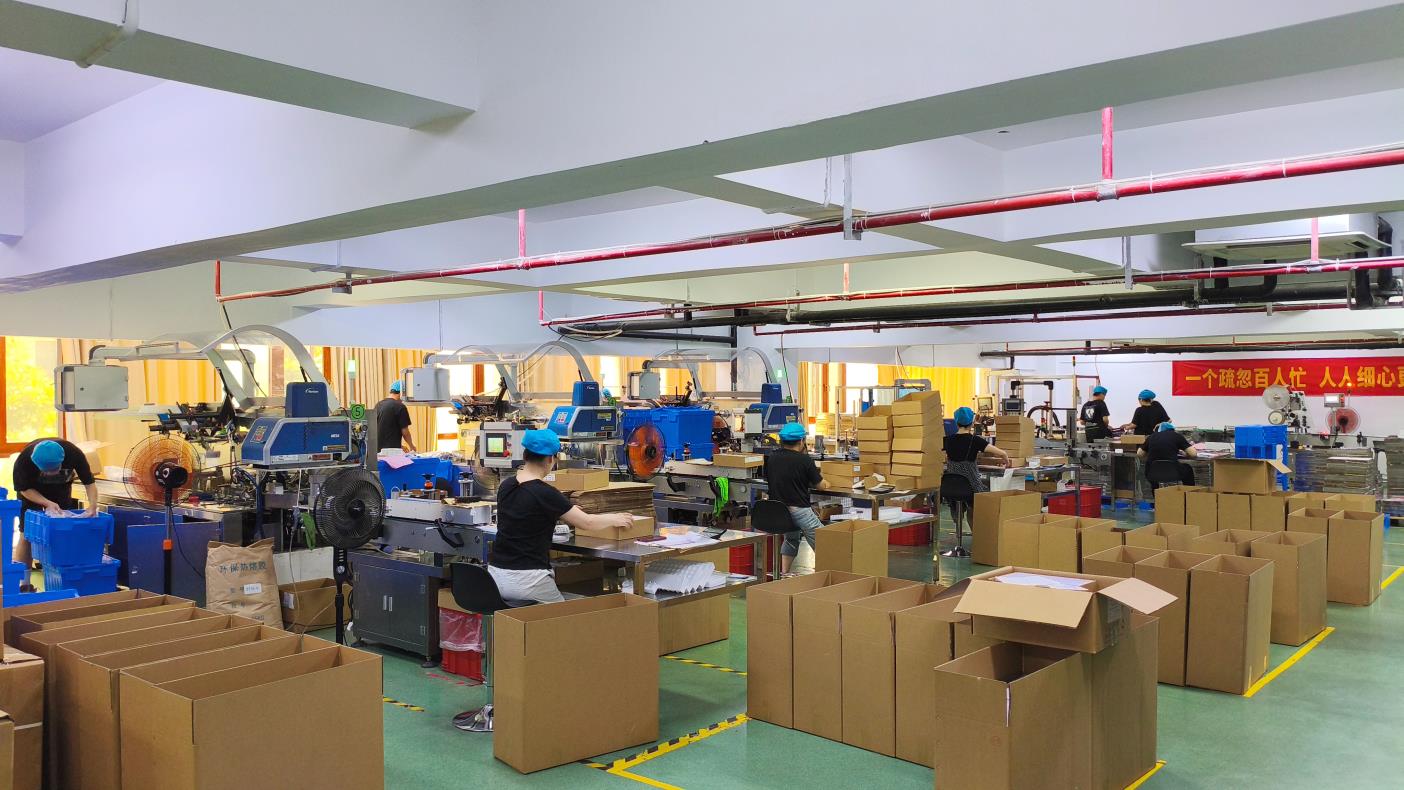
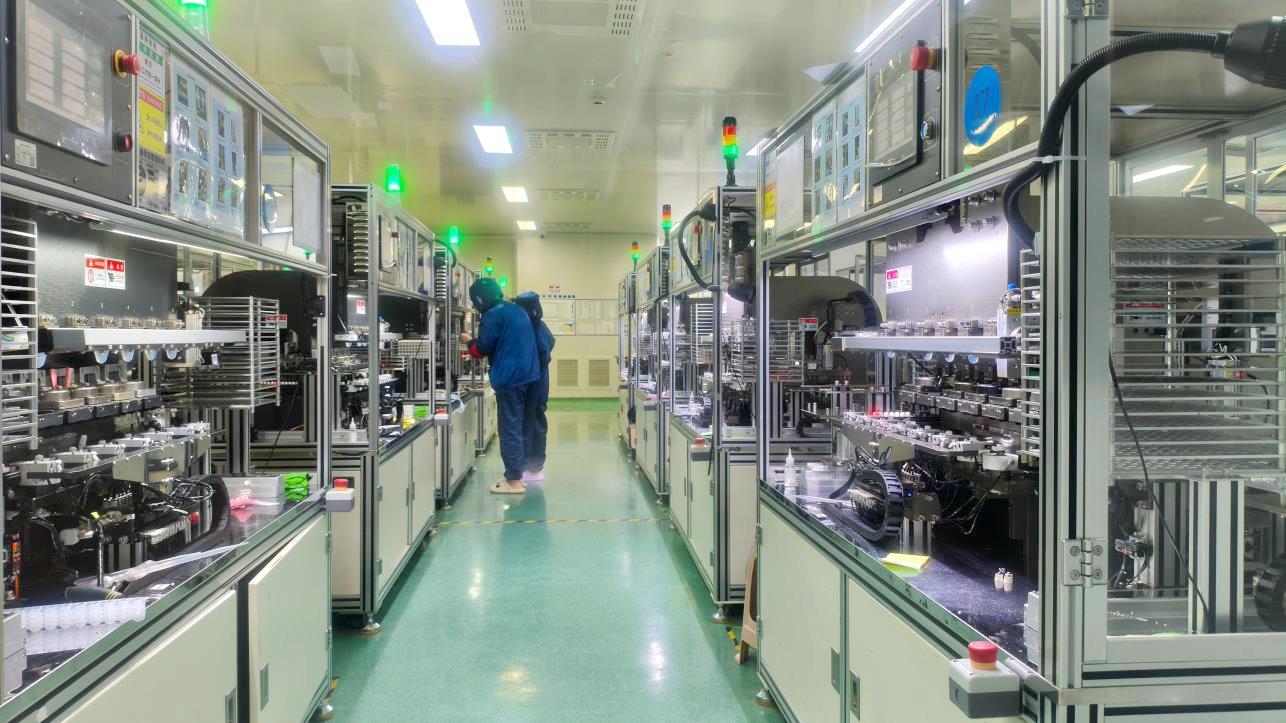
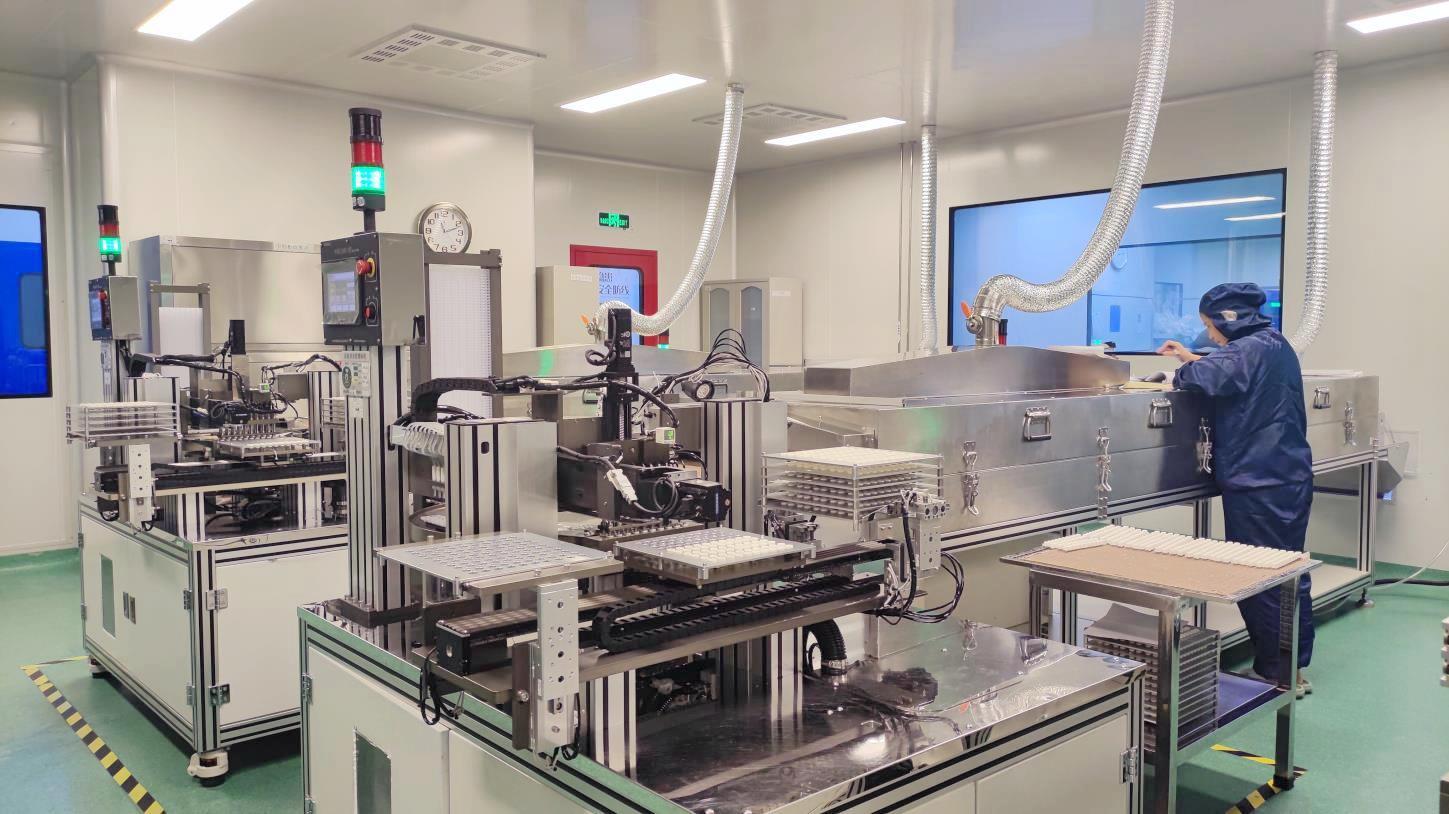
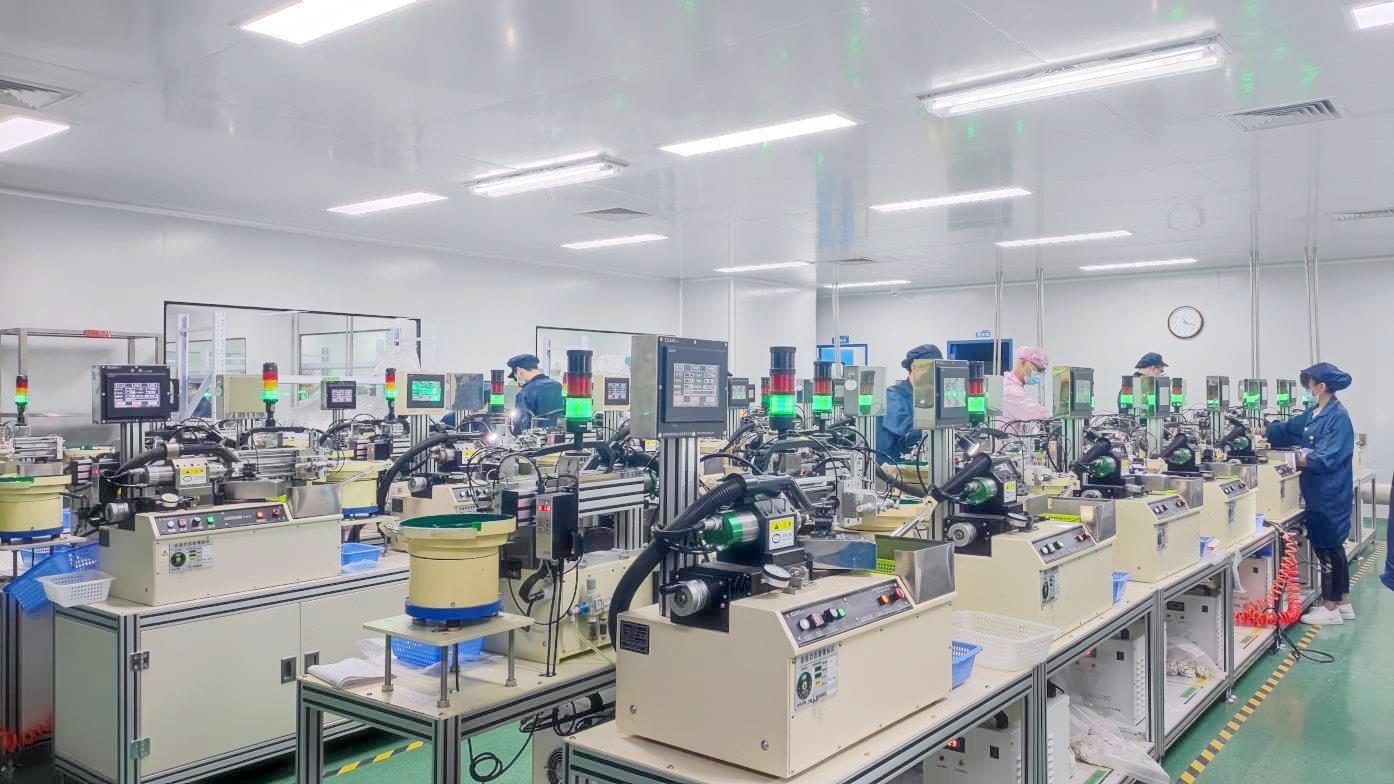
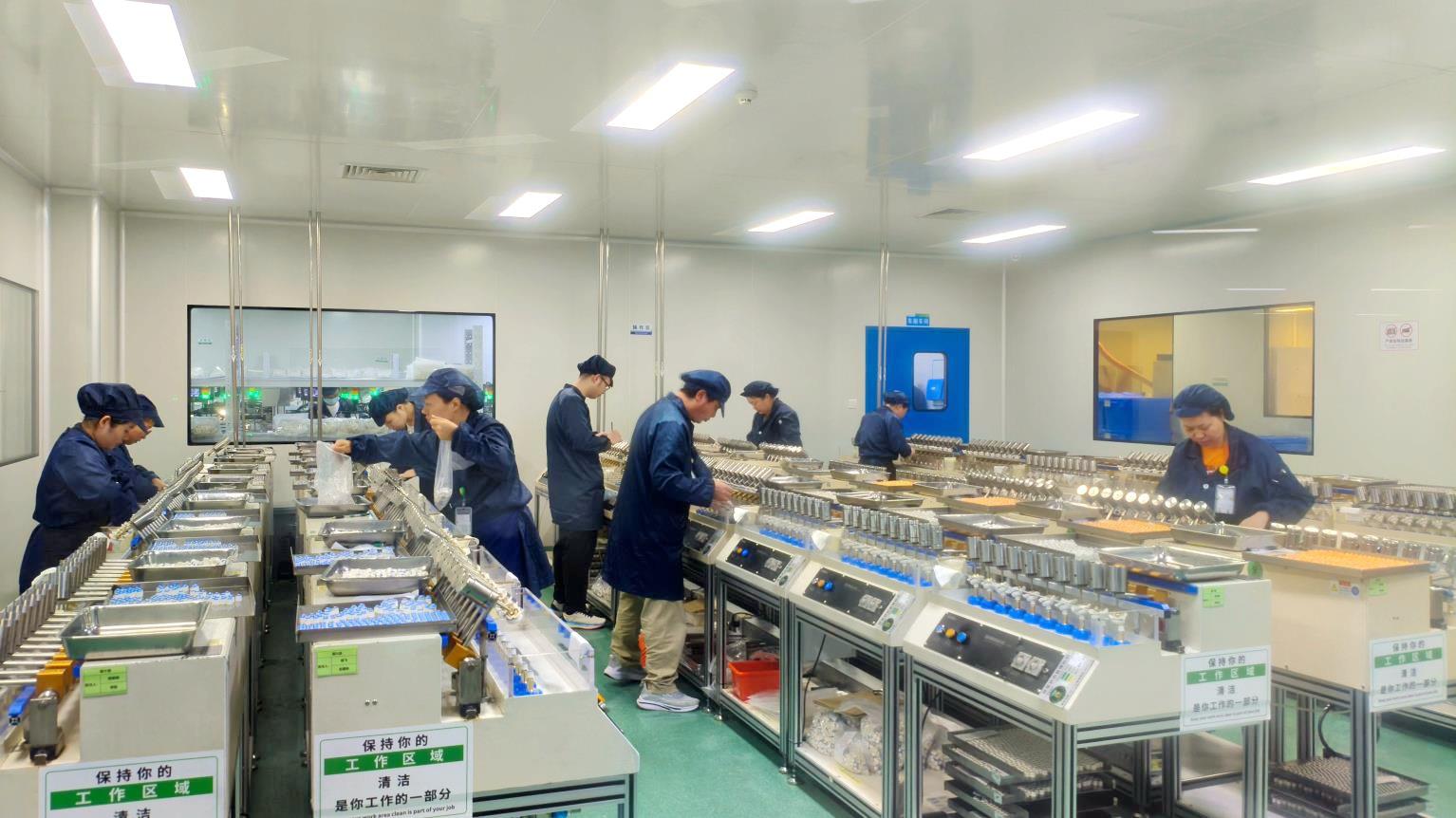
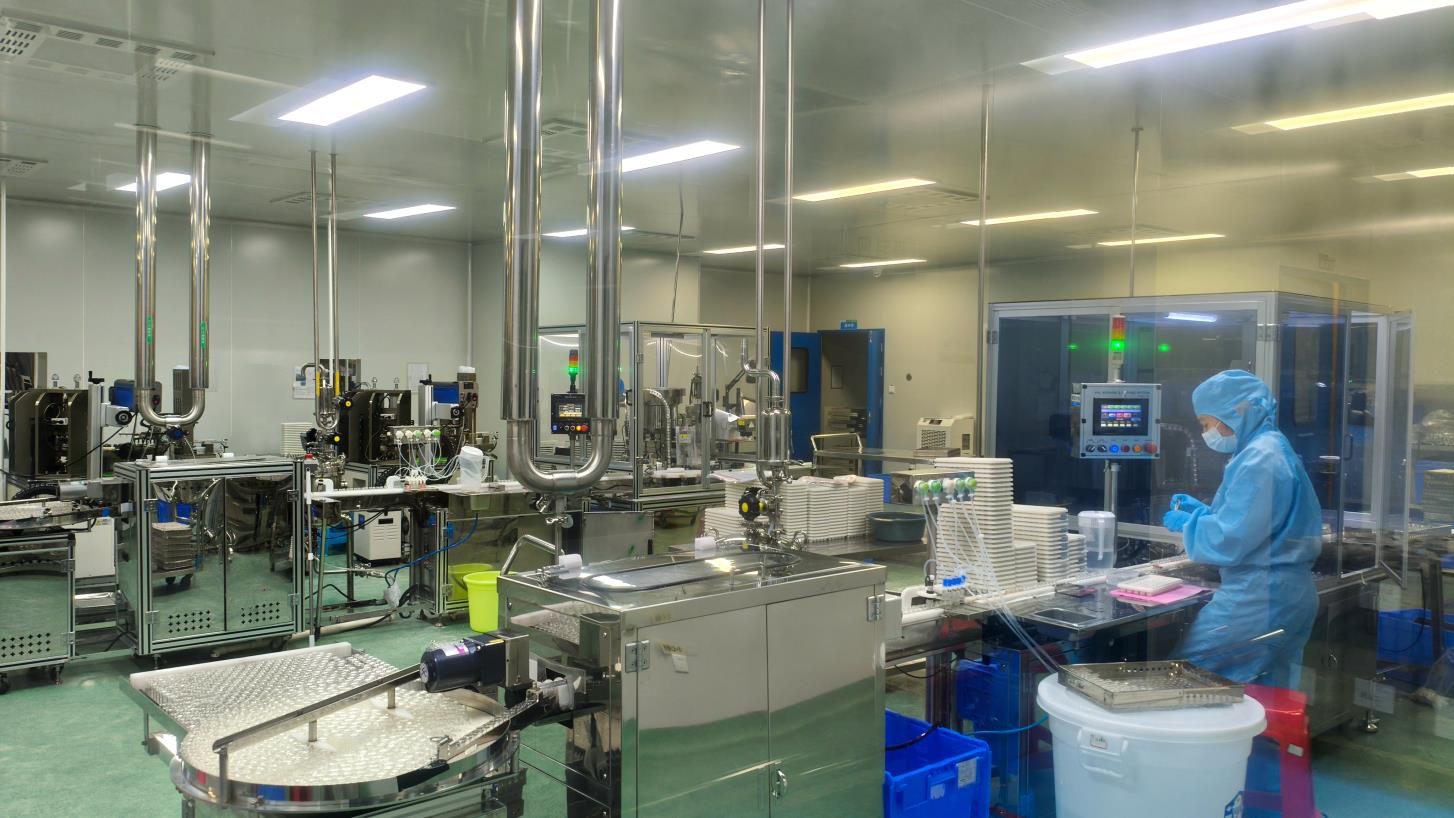
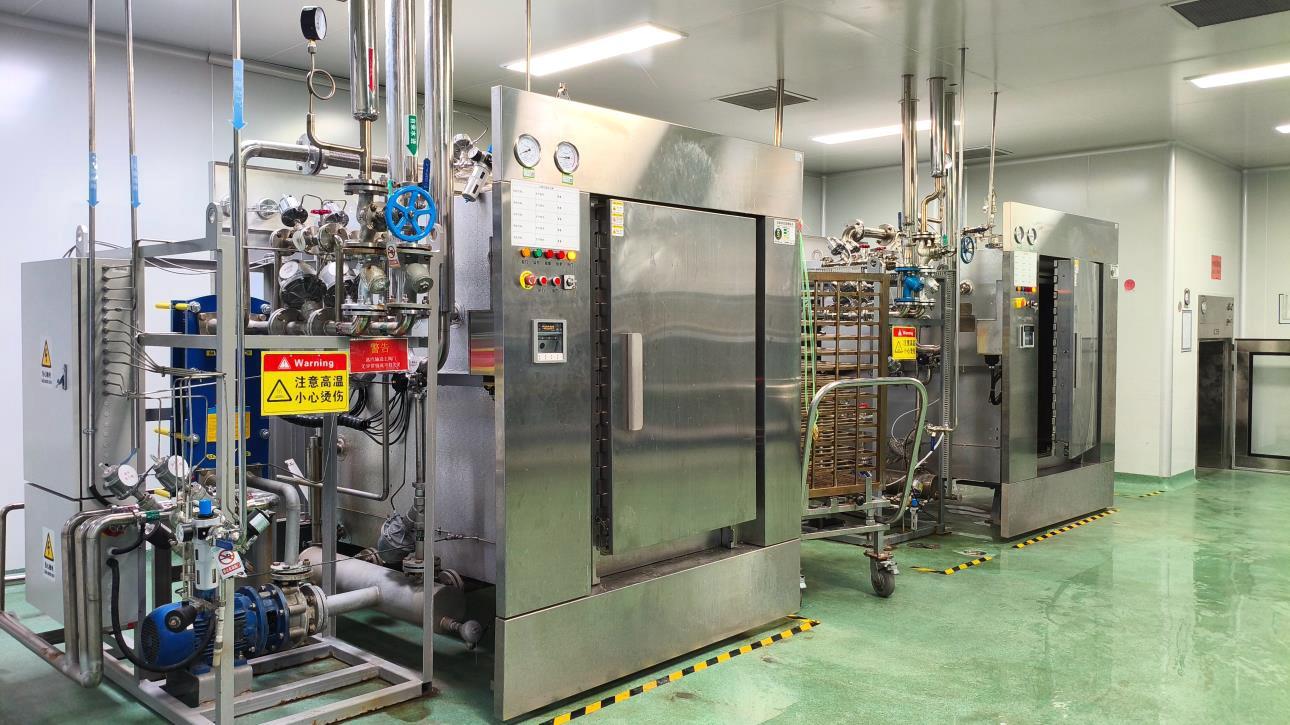
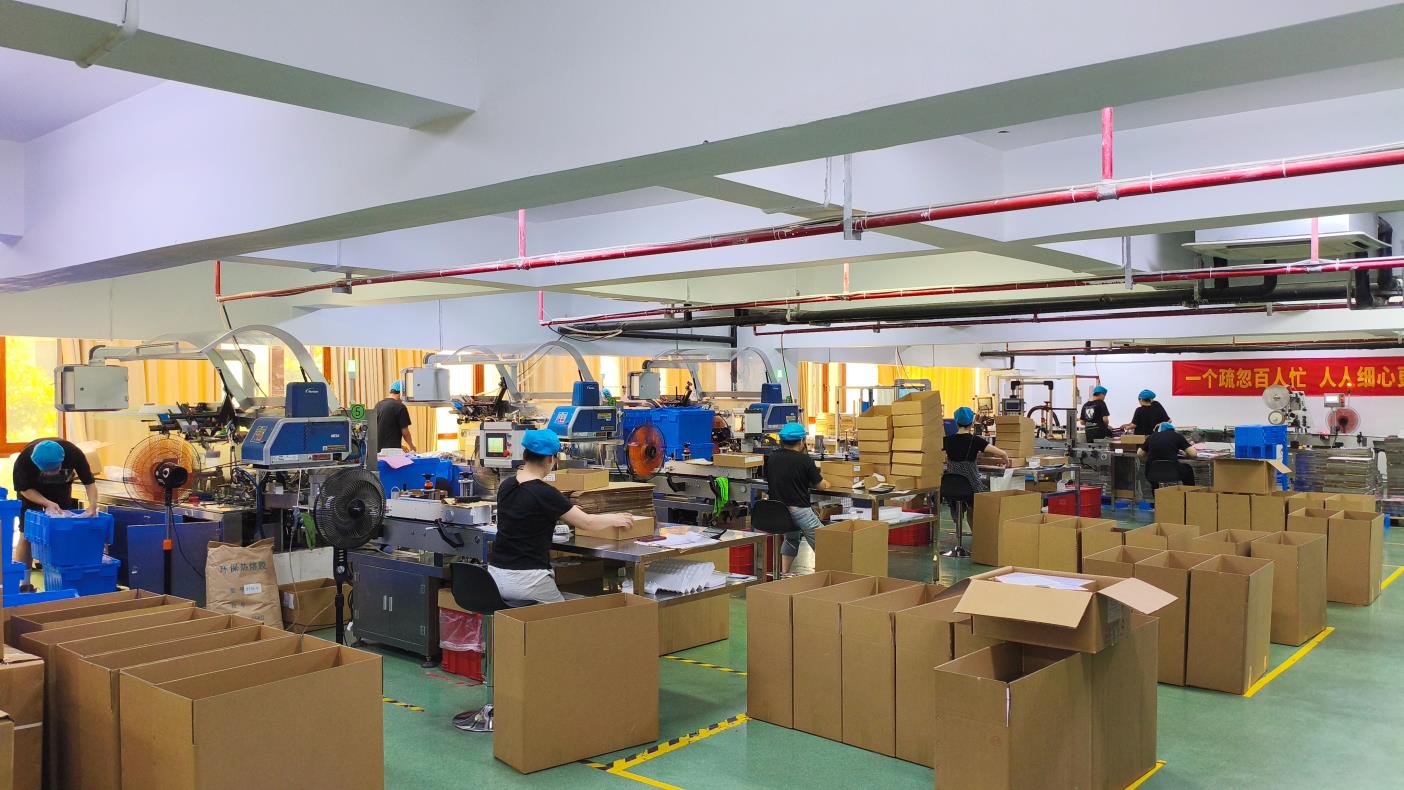
A look inside our Dongguan facility, combining automated high-speed cast molding, automated optical inspections, and ISO 13485 compliance.
China's role as a leading contact lens exporter is driven by advanced manufacturing technology and robust supply chains. In our facility in Dongguan, operated by Guangzhou Blink Lenses Trading Co., Ltd., we utilize fully automated cast-molding systems. This production technology outperforms traditional lathe cutting in consistency, yield, and cost-efficiency.
Our manufacturing starts with precision mold fabrication. Every lens is cast between a pair of optical-grade, single-use polypropylene (PP) molds. The liquid monomer mix is injected into these molds, followed by UV or thermal curing, hydration, extraction, and automated sorting. By running these steps in a Class 100,000 (ISO 8) cleanroom, we minimize contamination risk, ensuring every lens complies with CE and ISO 13485 quality standards.
Matching dynamic manufacturing capabilities with localized consumer demands and clinical requirements worldwide.
In humid and tropical regions, particularly in Southeast Asia and parts of Central America, daily disposable contact lenses are growing rapidly. The warm climate increases the risk of microbial contamination. Daily disposables (1-day wear) eliminate the need for chemical lens solutions and storage cases, reducing the incidence of microbial keratitis. From a manufacturing perspective, daily disposables require scale efficiency. Producing tens of millions of lenses per month allows factories like ours to lower cost-per-lens, supporting private brands to compete effectively in retail.
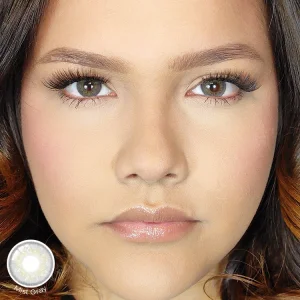
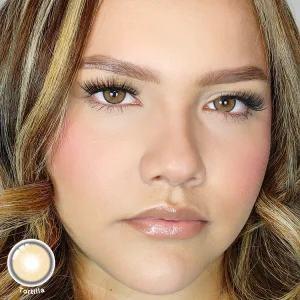
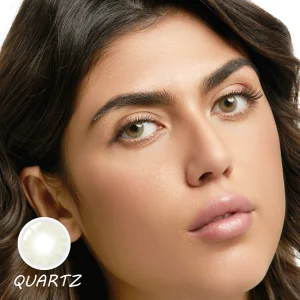
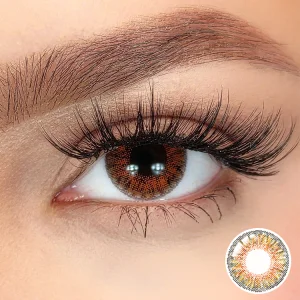
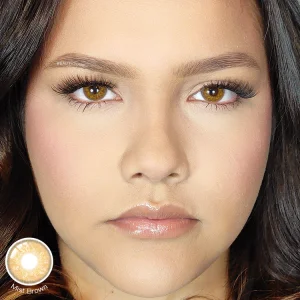
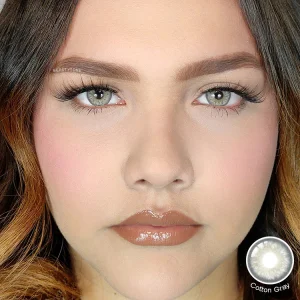
In markets like East Asia, Europe, and the Middle East, colored contact lenses are a key beauty accessory. The challenge for cosmetic lenses is printing complex designs (such as 1-tone natural blends, 2-tone gradients, or fantasy patterns like Rinnegan designs) without allowing the dye to contact the cornea.
Our facility uses a sandwich encapsulation technology. The color pigment layer is printed on the inside of the lens, fully encapsulated between clear polymer layers. This prevents dye leakage and ensures the surface remains smooth, protecting the corneal epithelium from irritation.
The next stage in contact lens innovation centers on advanced surface modification and diagnostic integration:
How global distributors and ophthalmic brands evaluate, audit, and import high-precision optical medical devices.
Contact lenses are classified as Class II or Class III medical devices in most regulatory jurisdictions. Procurement teams must look beyond pricing and evaluate the supplier's Quality Management System (QMS). A compliant procurement process includes:
Our facility works closely with B2B clients on OEM and ODM projects, providing support throughout the product lifecycle. We handle material formulation (Hydrogel or Polyhema), custom pattern printing, and blister packaging design. We also assist with local regulatory submissions by providing technical files, biocompatibility reports (cytotoxicity, sensitization, and intracutaneous reactivity tests), and stability testing data.
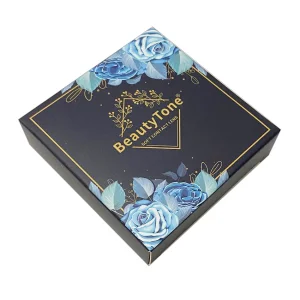
Our extended catalog features soft, high-wearability color contact lenses in daily, monthly, and yearly replacement schedules.
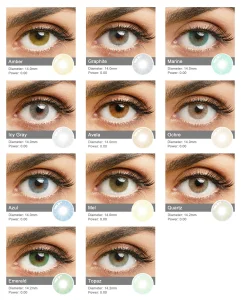
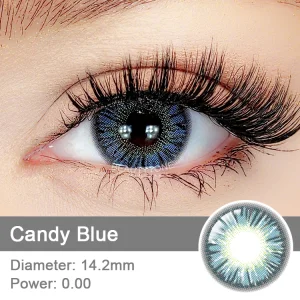

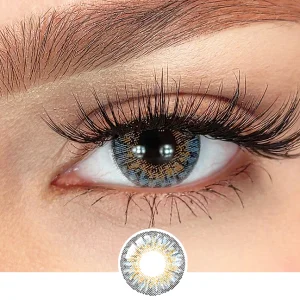
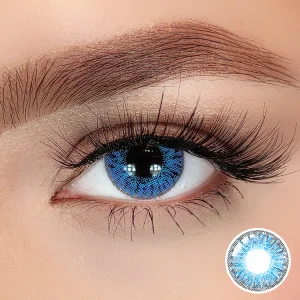
Essential details for global distributors, regulatory affairs managers, and procurement professionals regarding import, manufacture, and safety.
We manufacture lenses using both traditional Hydrogels (such as HEMA/Polyhema copolymers) and next-generation Silicone Hydrogel. Traditional hydrogel lenses have water content options ranging from 38% to 58%, suitable for daily wear. Our silicone hydrogel formulations combine high oxygen transmissibility (Dk/t of 120+) with a low elastic modulus (0.4 MPa) to optimize corneal oxygen supply and minimize dry-eye symptoms during extended wear.
We use a sandwich encapsulation printing process. The color pigment layer is printed onto the base curve polymer and then sealed under a protective front curve cover layer. This ensures the pigments are completely encapsulated within the hydrogel material, preventing direct contact with the eyelid or the corneal epithelium, and ensuring long-term color stability and safety.
Our manufacturing facilities in China comply with strict international medical device standards. We hold ISO 13485 Quality Management System certification, and our products carry CE certification (under MDD and transitioning to MDR compliance). We also provide full technical files and biocompatibility reports (including ISO 10993 cytotoxicity and ocular irritation tests) to assist with local registrations.
For standard hydrogel and custom color printed lenses, the minimum order quantity (MOQ) for custom private label orders typically starts at 1,000 pieces per SKU. The production lead time is generally between 30 and 45 days, depending on custom design requirements, blister packaging configuration, and sterilization verification timelines.
We utilize a 100% full-inspection workflow. Every finished contact lens goes through an automated optical projection analyzer to check for geometric dimensional tolerances, power accuracy, and cosmetic defects such as edge tears, air bubbles, or surface debris. Any lens failing to meet these strict parameters is automatically rejected before packaging and sterilization.
 Blink Lenses