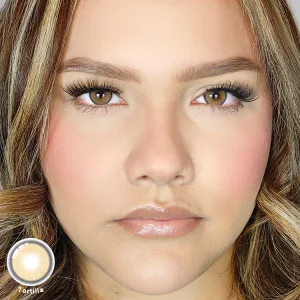
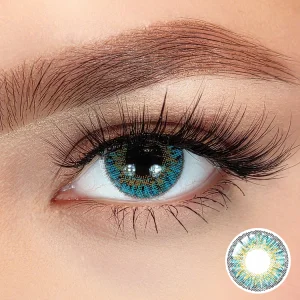
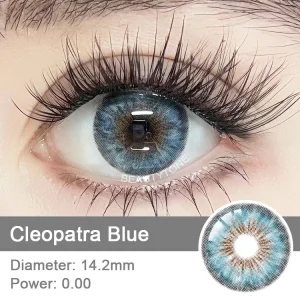
Engineered for optical clarity, oxygen transmission, and stunning natural aesthetics. Select your bulk orders below.
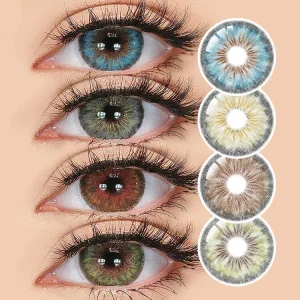
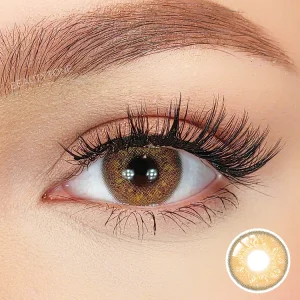
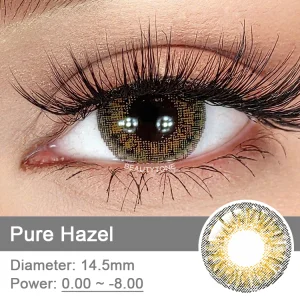
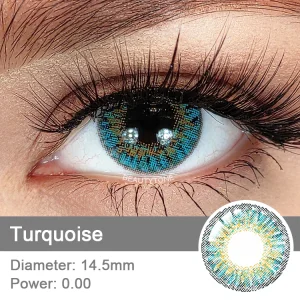
Cosmetic contact lenses have evolved from niche theatrical props into mainstay products of the global beauty and optical fashion industries. Among the diverse spectrum of colors available to consumers, honey-colored contact lenses (encompassing warm hazel, rich caramel, and subtle golden-brown tones) have emerged as the fastest-growing segment in terms of market demand. This color group represents a sophisticated intersection of natural optical enhancement and striking visual transformation.
Unlike cooler tones such as blue or green, which can sometimes appear artificial on darker irises, honey-toned lenses utilize complex, semi-translucent color pigments that blend harmoniously with natural brown and black eye colors. This seamless transition is why cosmetic lens brands globally are prioritizing honey, hazel, and golden-brown shades in their flagship product lines. The consumer preference has shifted strongly toward the "my eyes but better" aesthetic, where the lens enhances depth, luminosity, and diameter without making the eye look unnaturally uniform.
From an optical standpoint, formulating a successful honey-colored lens requires high-fidelity multi-tone printing technology. Typically, a 3-tone pattern is deployed: a dark outer limbal ring to define the iris boundary, a honey-caramel secondary blend zone to establish the primary color profile, and a soft golden inner starburst to blend into the wearer's natural pupil area. Developing and reproducing these complex color configurations consistently at an industrial scale demands specialized precision machinery and tight quality controls.
For optical distributors, beauty brands, e-commerce retailers, and medical supply firms, procuring colored contact lenses from overseas factories requires navigating strict regulatory and manufacturing landscapes. As Class II/III medical devices (depending on the jurisdiction), contact lenses are subject to intense scrutiny from regulatory bodies such as the FDA in the United States, the MHRA in the United Kingdom, and the European Union’s MDR (Medical Device Regulation).
When choosing an overseas manufacturer, the primary criteria must focus on biocompatibility, oxygen transmissibility (Dk/t), and physical tolerance consistency. High-quality honey lenses are manufactured using premium hydrogel materials (such as Polyhema or silicone hydrogels) that maintain an optimal water content balance (typically between 38% and 42% for yearly disposable lenses, and up to 58% for daily disposables). High water content is not the only metric; the material must resist protein deposition while allowing sufficient oxygen to pass through to the cornea to prevent hypoxia.
Furthermore, B2B procurement professionals must examine the "sandwich printing technology" used by the factory. This method embeds the color pigments securely between two layers of clear hydrogel material, ensuring that the ink never makes direct contact with the wearer's cornea or eyelid. Poorly manufactured, cheap lenses often spray color directly onto the lens surface, which can lead to micro-abrasions, pigment leakage, and severe ocular infections.
Guangzhou Blink Lenses Trading Co., Ltd. is an industrial-scale manufacturer specializing in the R&D and mass production of high-quality contact lenses and cosmetic colored lenses. Located in the manufacturing hub of Dongguan, China, we operate a fully integrated facility that bridges cutting-edge optical technology with robust supply chain capabilities.
As a dedicated B2B partner, we specialize in OEM, ODM, and turnkey private-label solutions. From material compounding (Hydrogel/Polyhema) to bespoke pattern design and compliant blister packaging, Chic Contacts provides global distributors and vision care brands with unparalleled stability, scale, and safety.
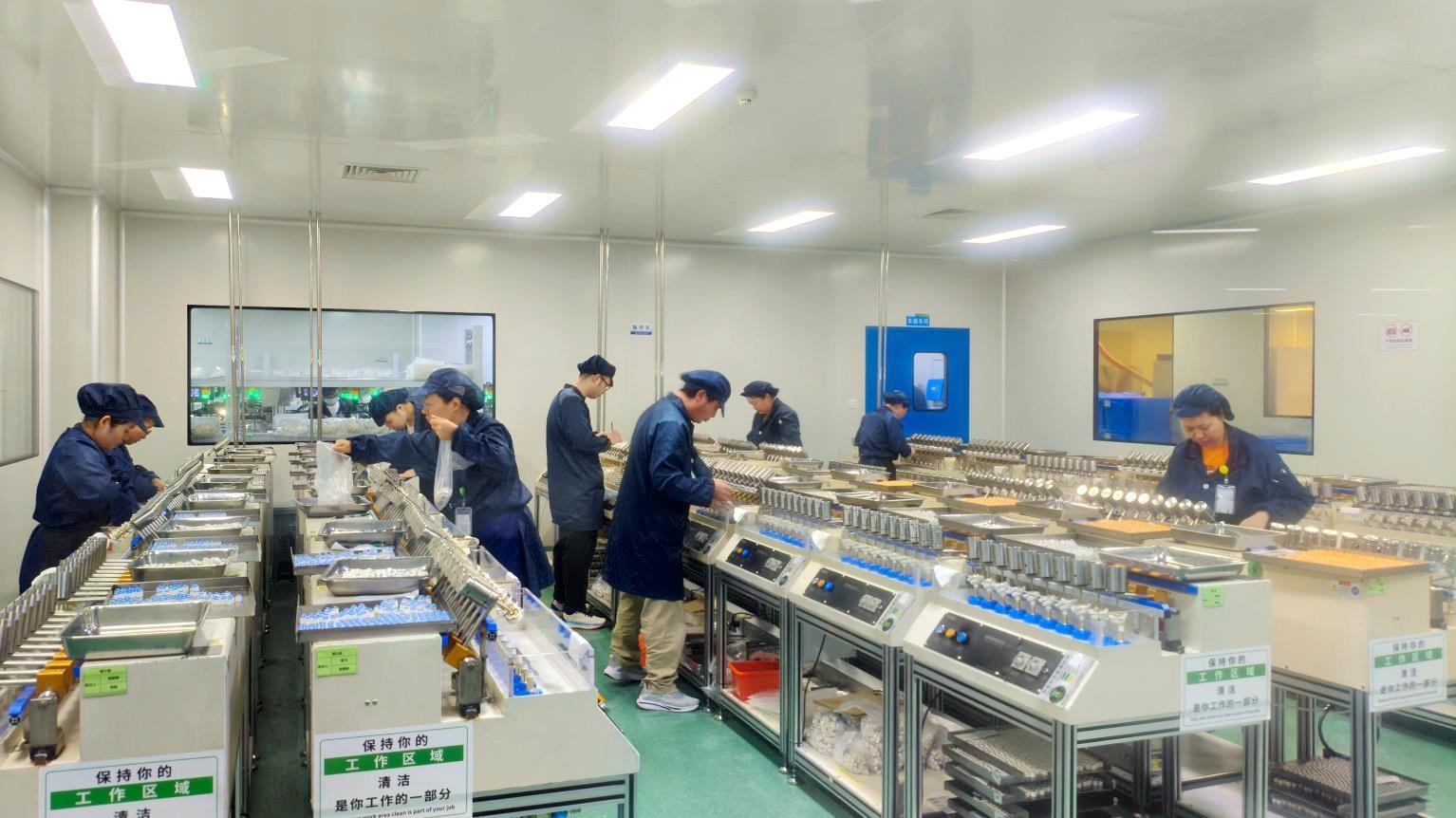
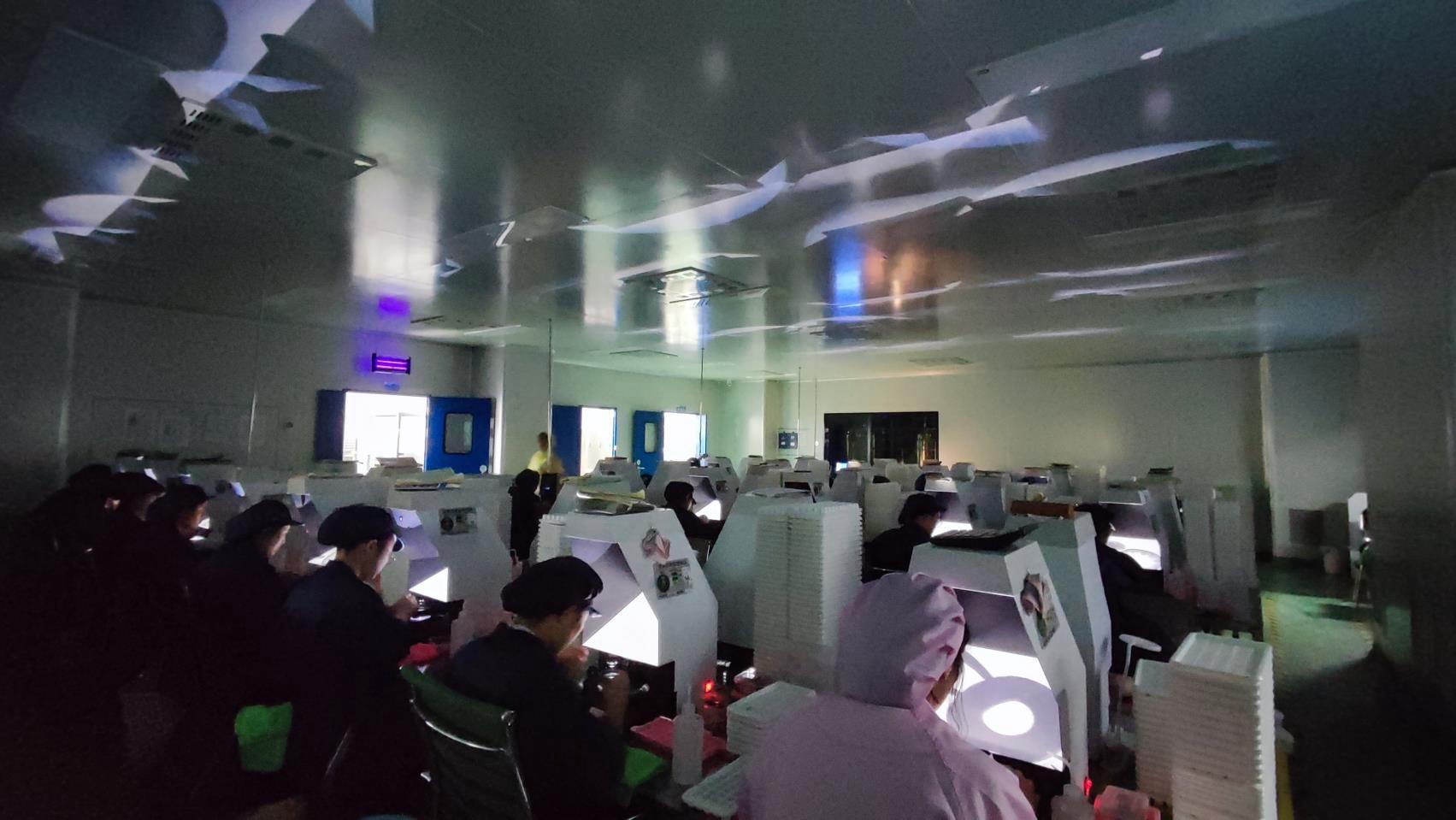
By combining high-speed automated production lines with meticulous hand-inspections under advanced microscopes, we guarantee that every batch of lenses leaves our factory in perfect compliance with target market regulations. Our team of optical engineers is continuously optimizing our hydrogel formulas to provide lenses that feel completely weightless, even during extended daily wear.
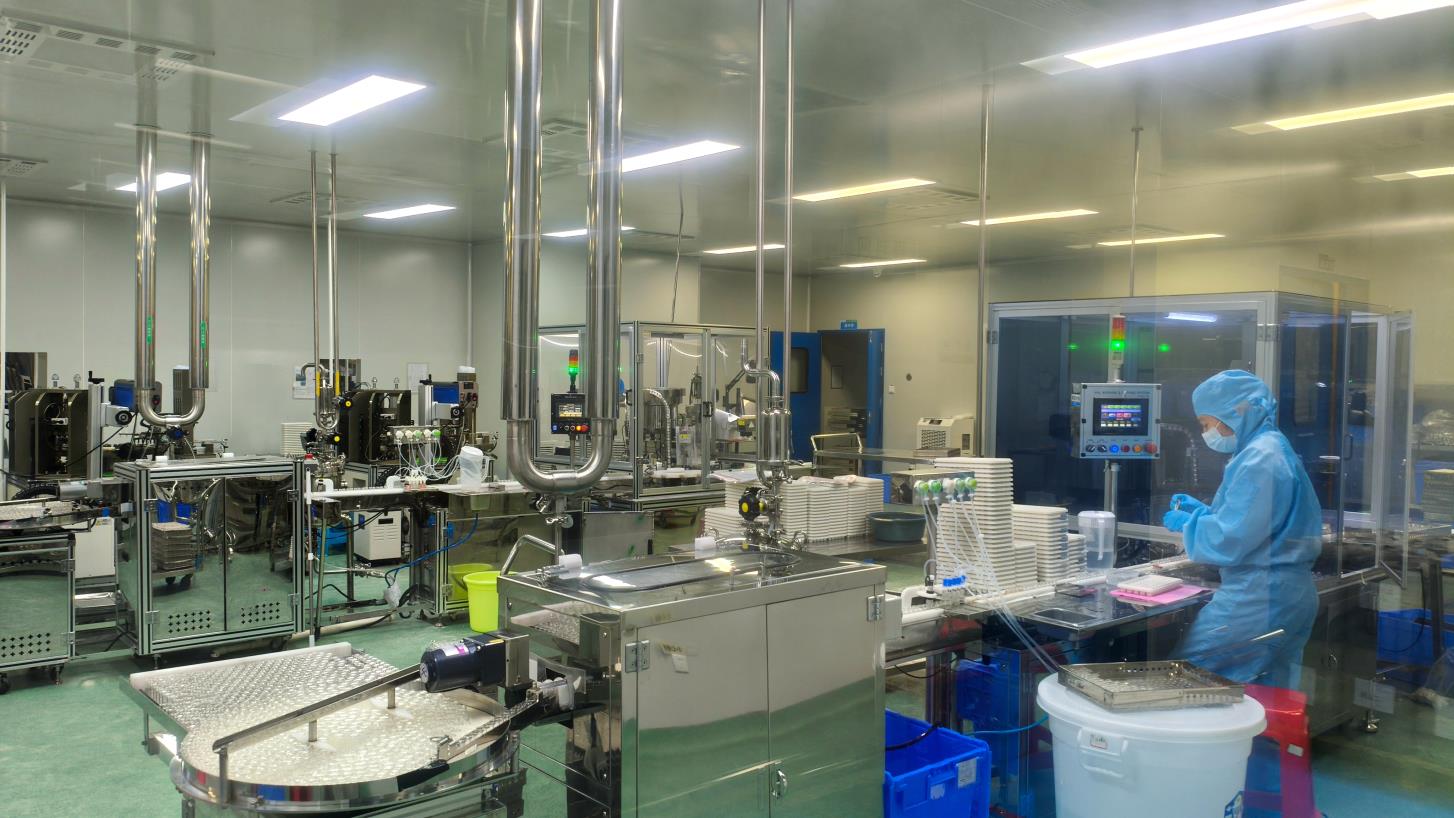
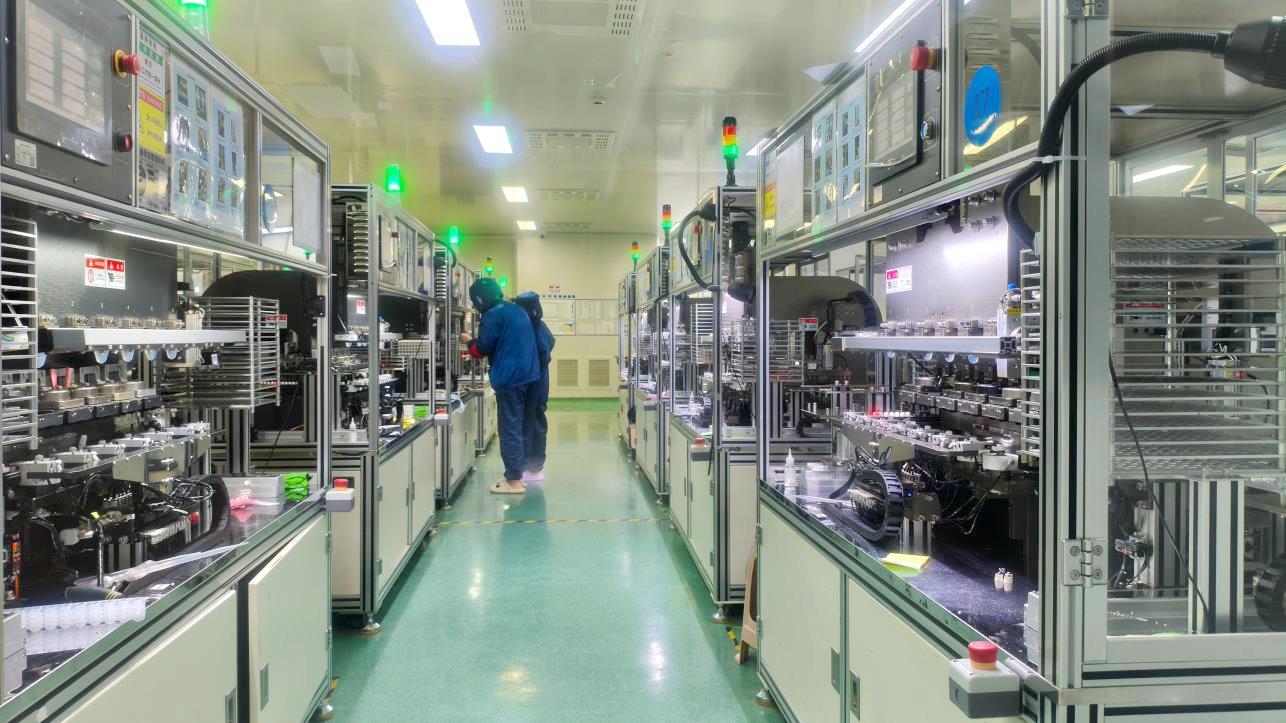
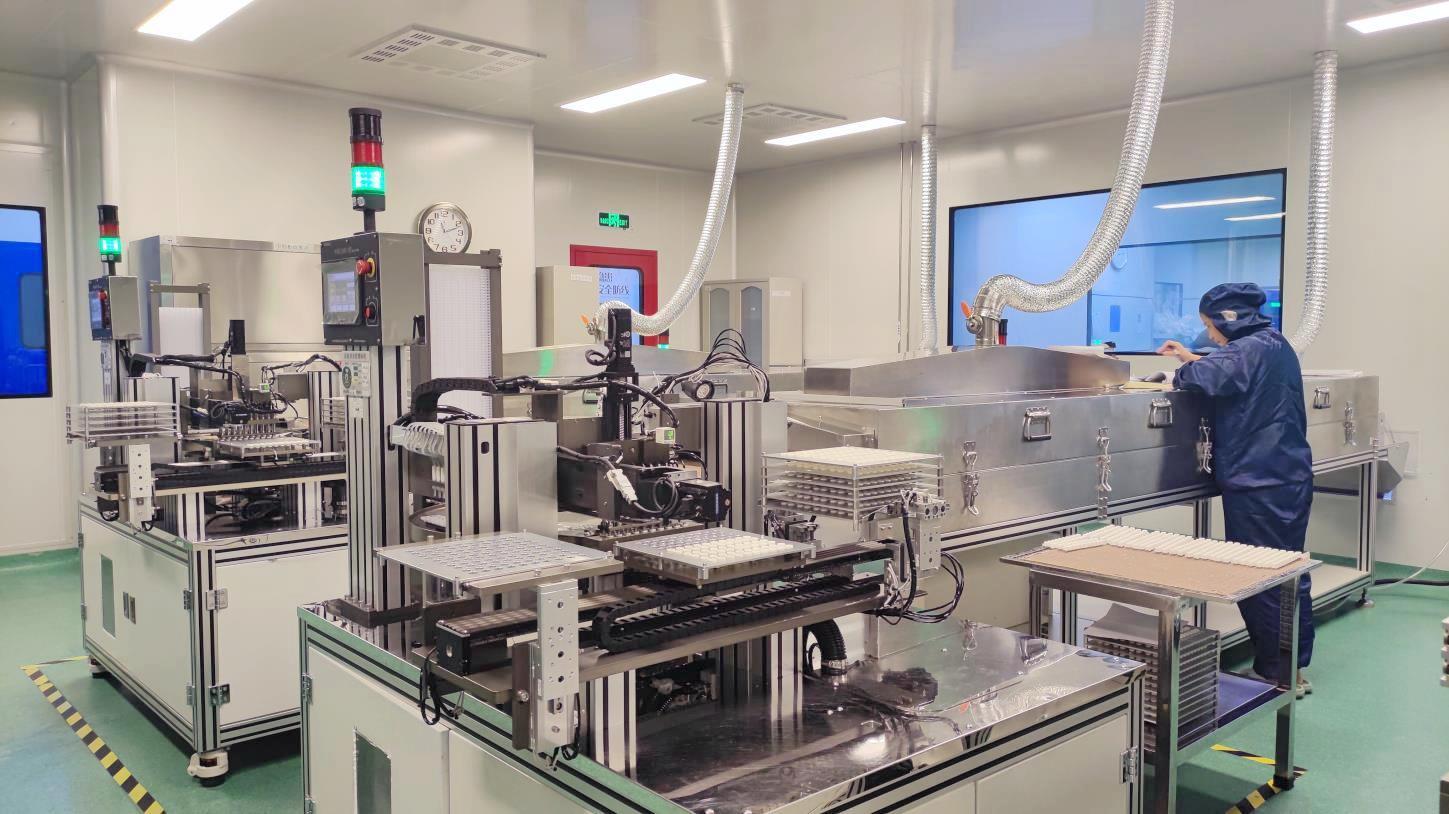
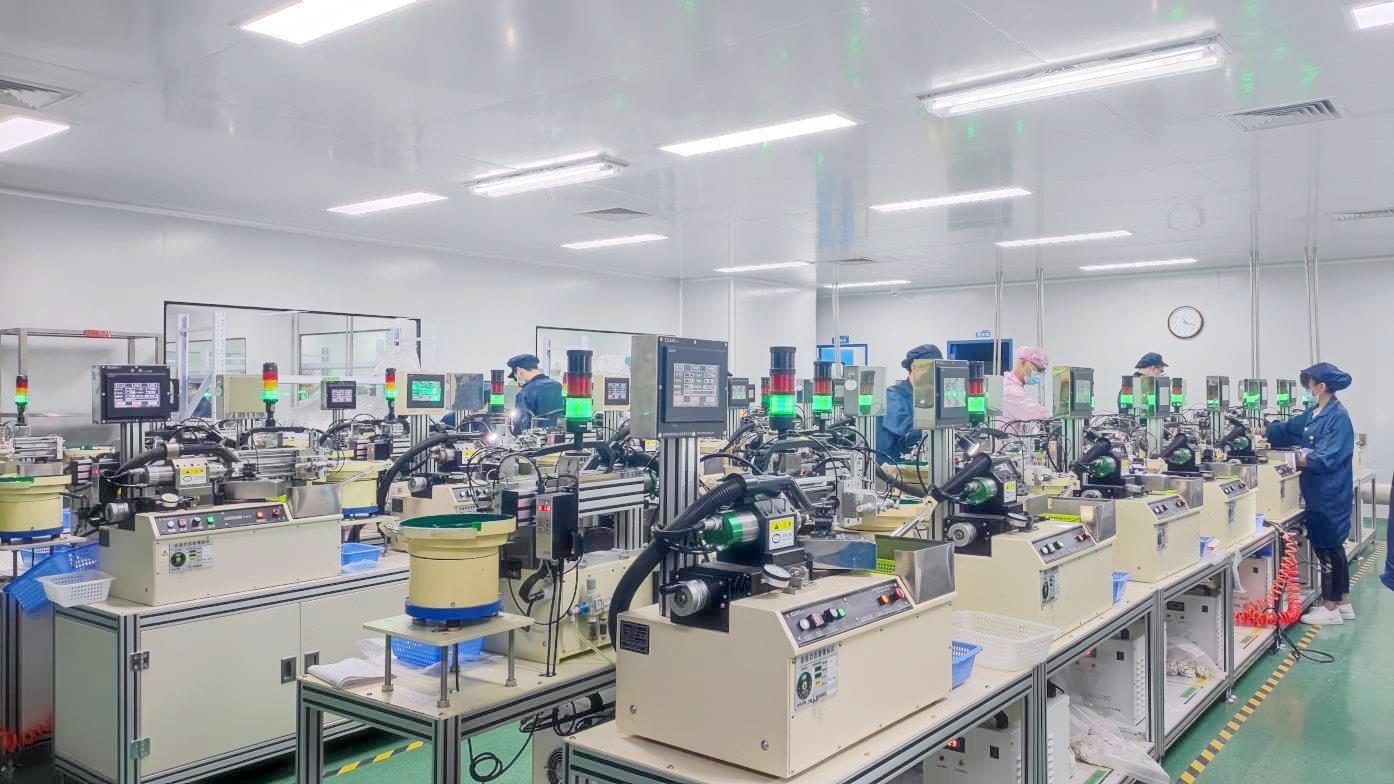
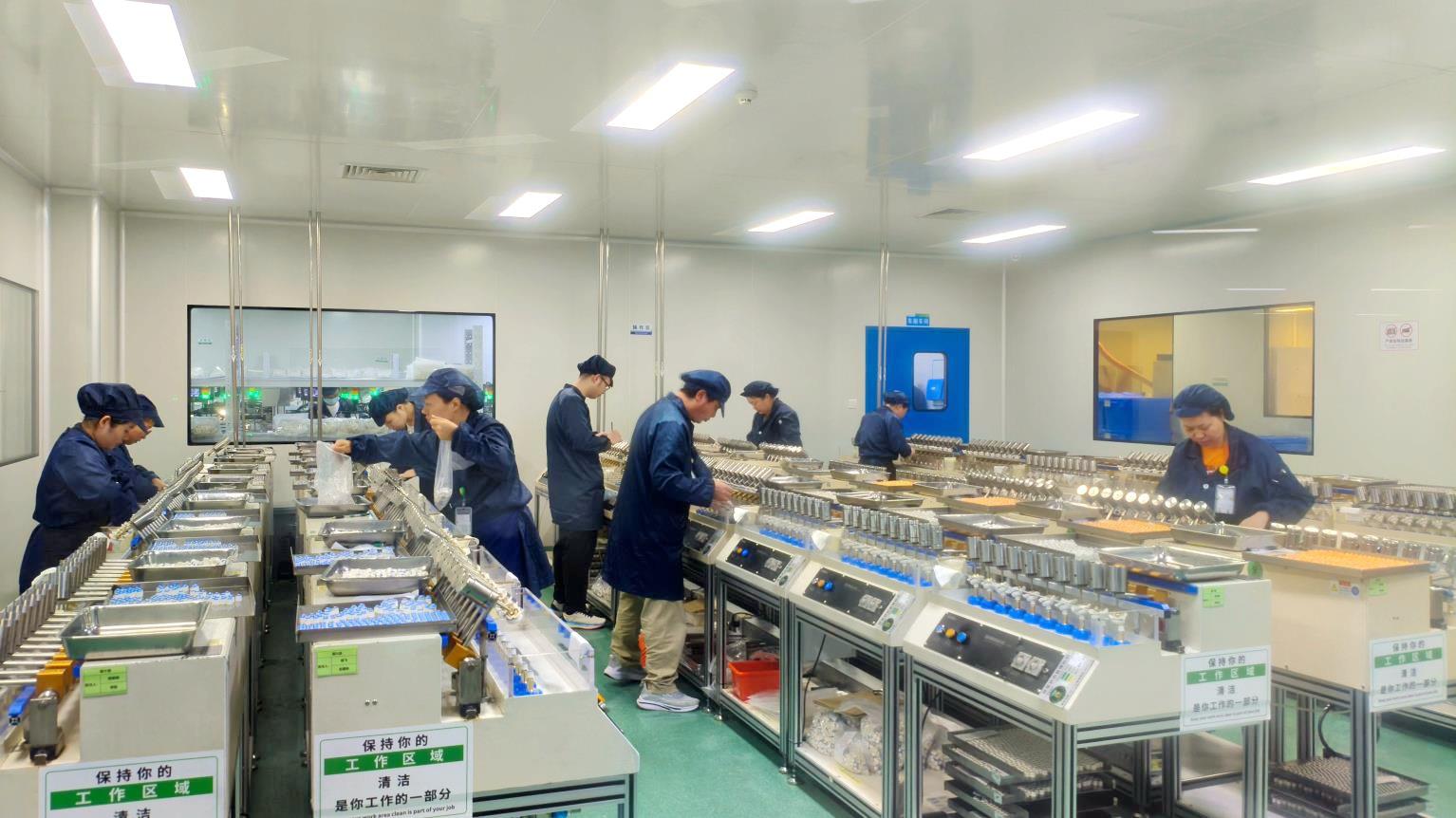
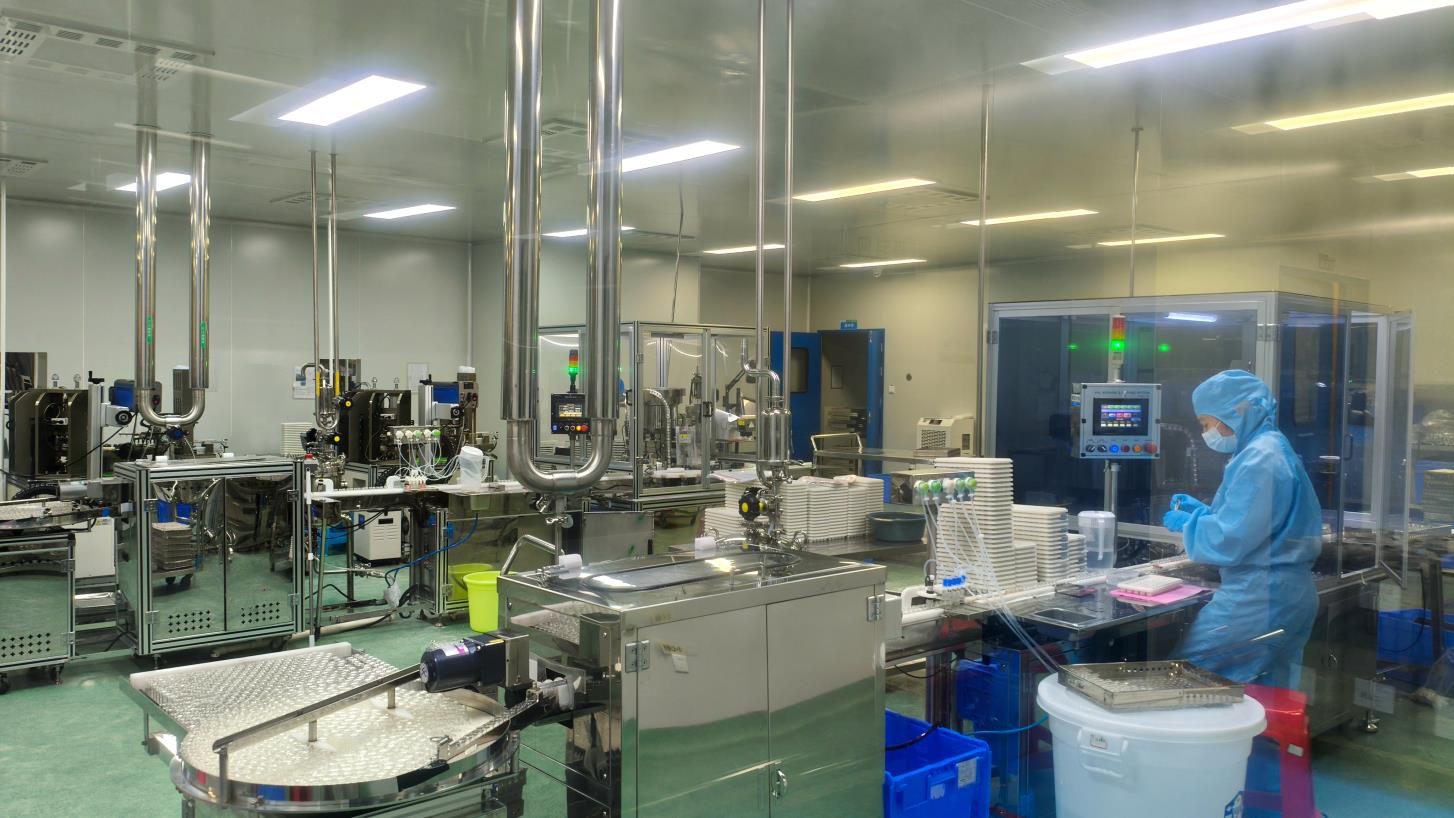
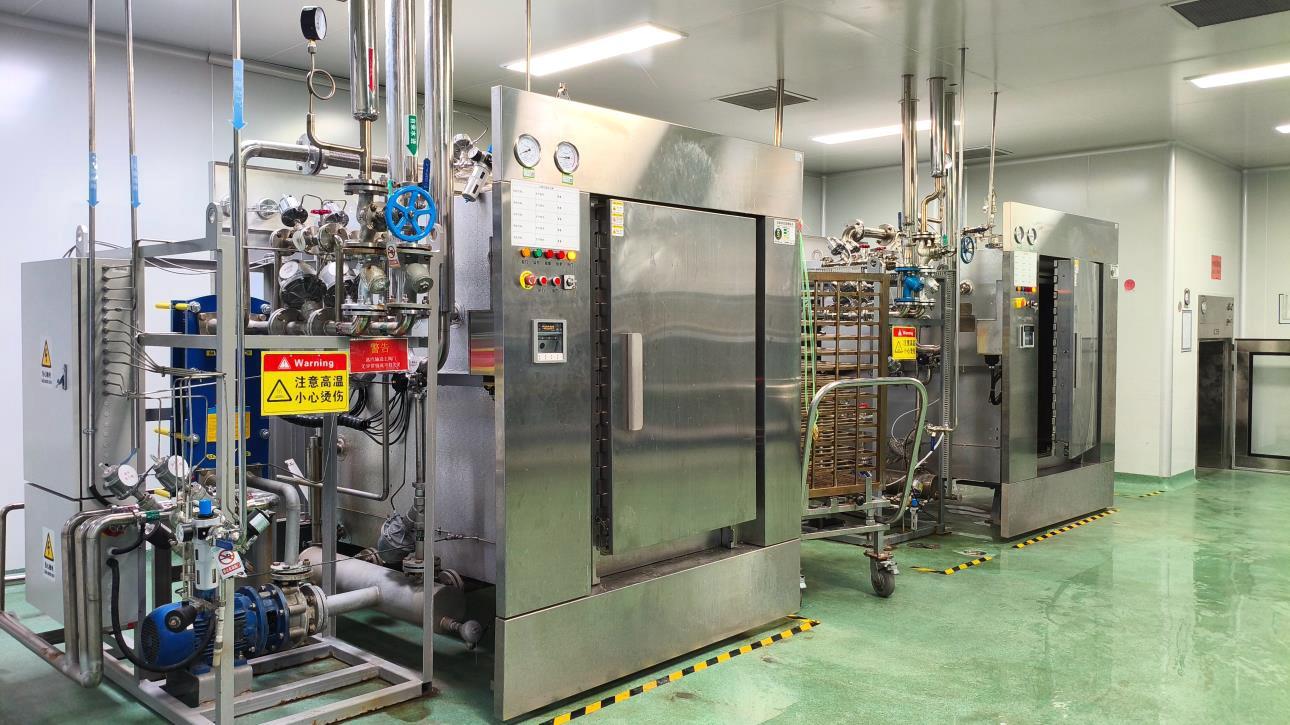
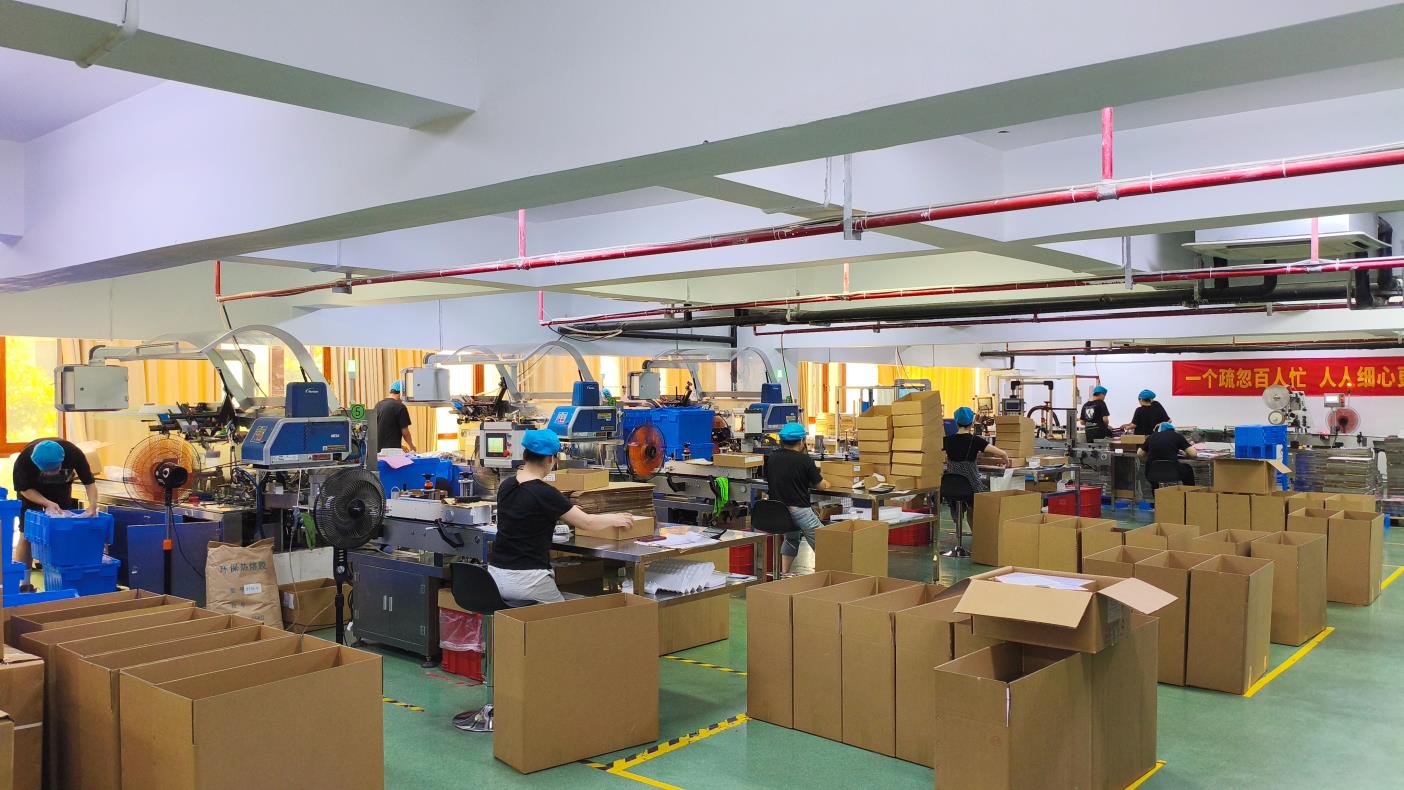
China's manufacturing sector has undergone a massive digital transformation, transitioning from manual labor-intensive operations to Factory 4.0 automation. For global B2B buyers, this translates to unparalleled supply chain resilience, lower defect rates, and rapid order fulfillment. At Guangzhou Blink Lenses Trading Co., Ltd., we have integrated advanced industrial automation across all stages of our production line.
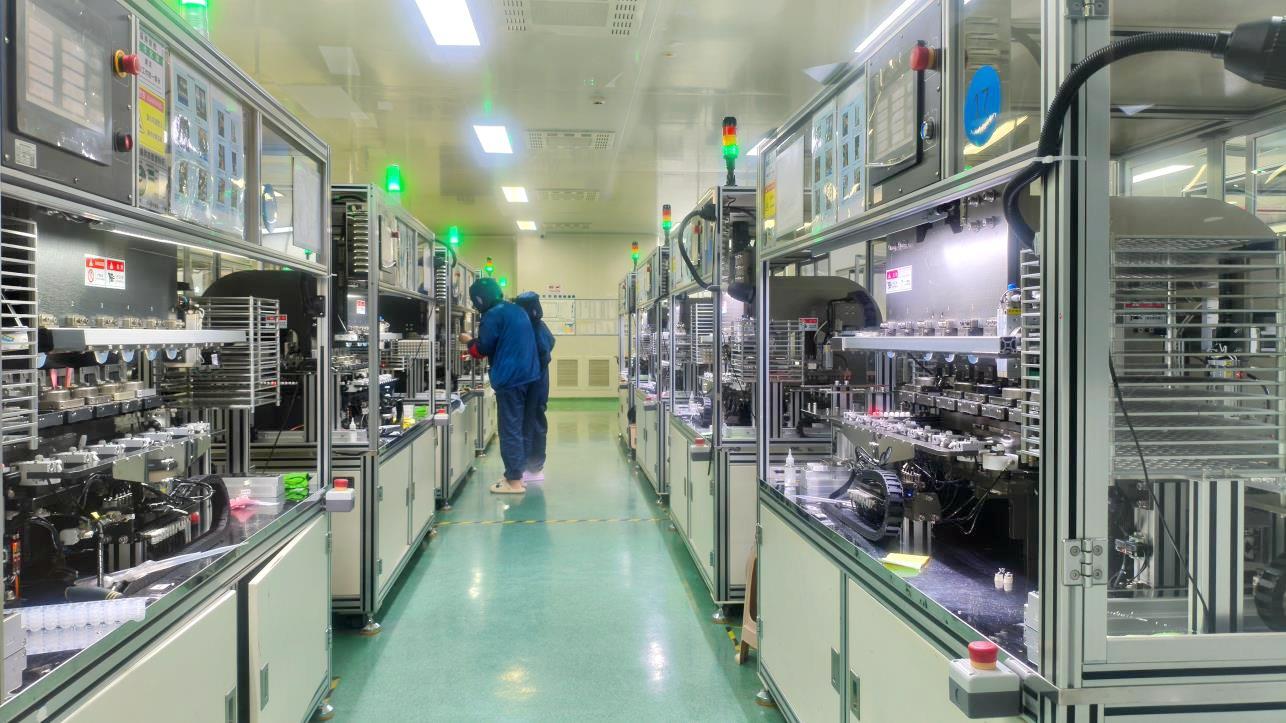
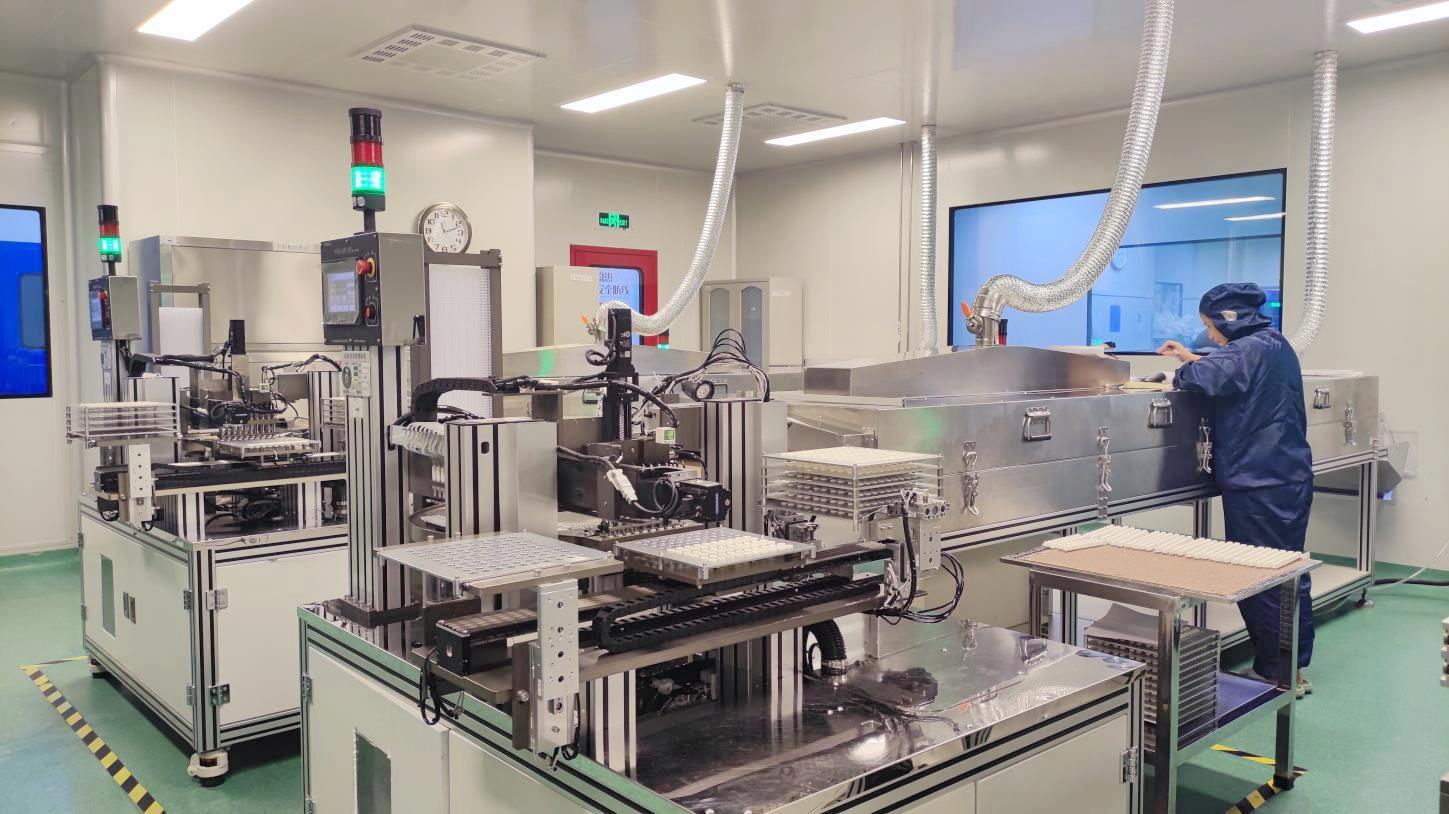
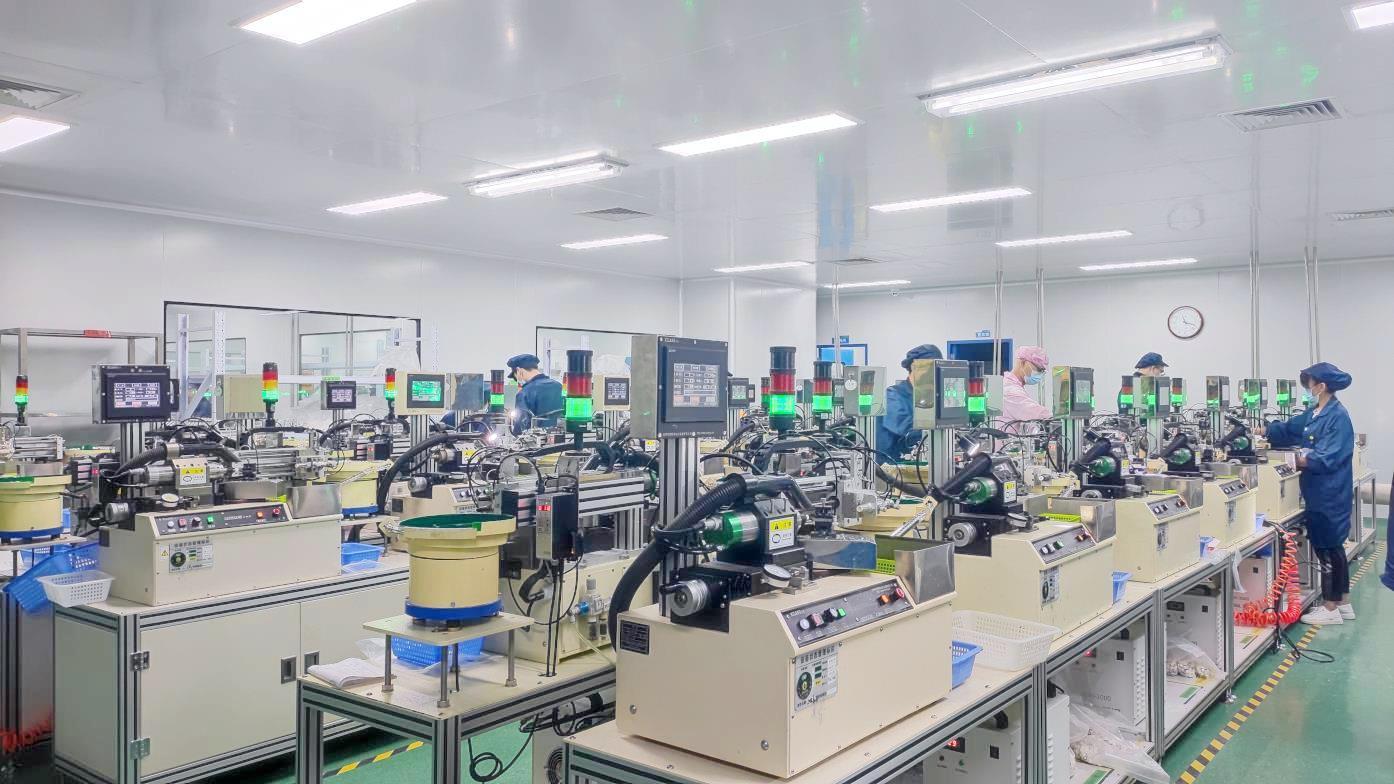
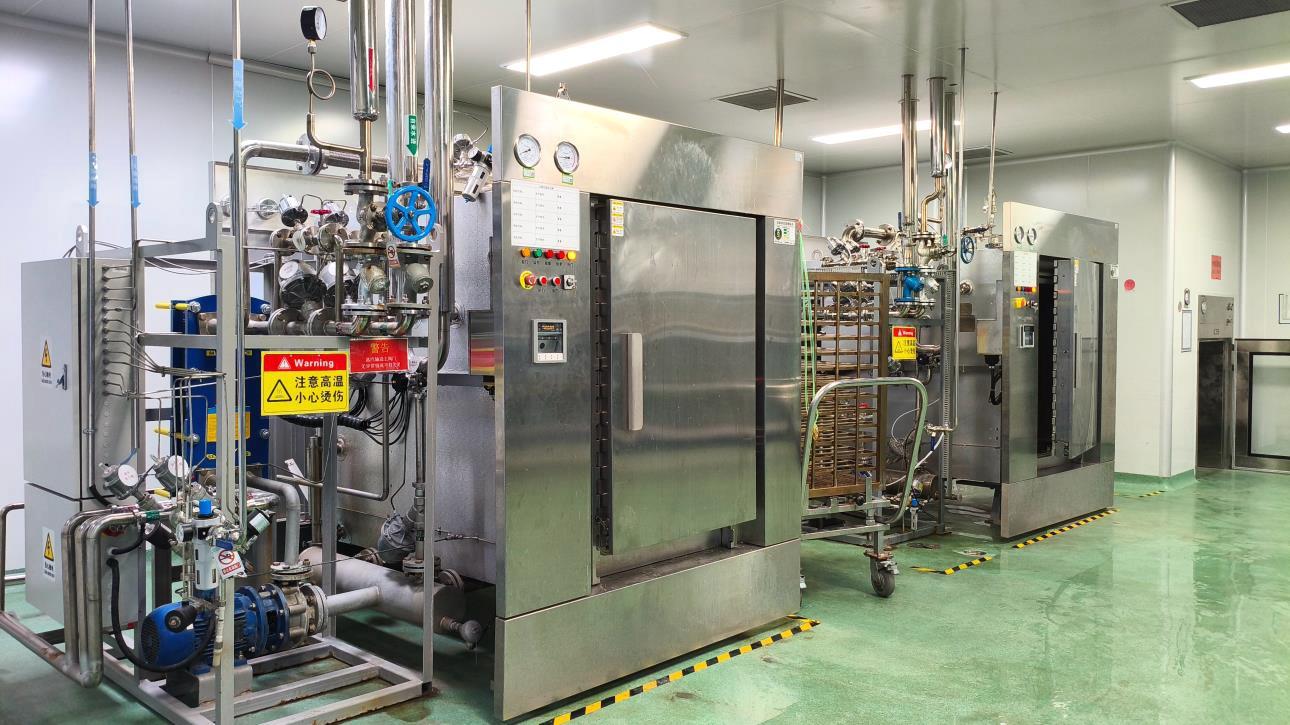
Our manufacturing facility relies on high-precision cast molding technology, which guarantees that every single lens produced matches the exact CAD blueprint down to the micron. This is vastly superior to older lathed-cut methods, which can introduce microscopic surface irregularities. Through automated injection systems, UV curing tunnels, and robotic packaging lines, we minimize human contact, thereby eliminating contamination risks and preserving absolute sterility.
Below are the critical phases of our manufacturing flow, demonstrating the high technical standards we maintain in our Dongguan facility:
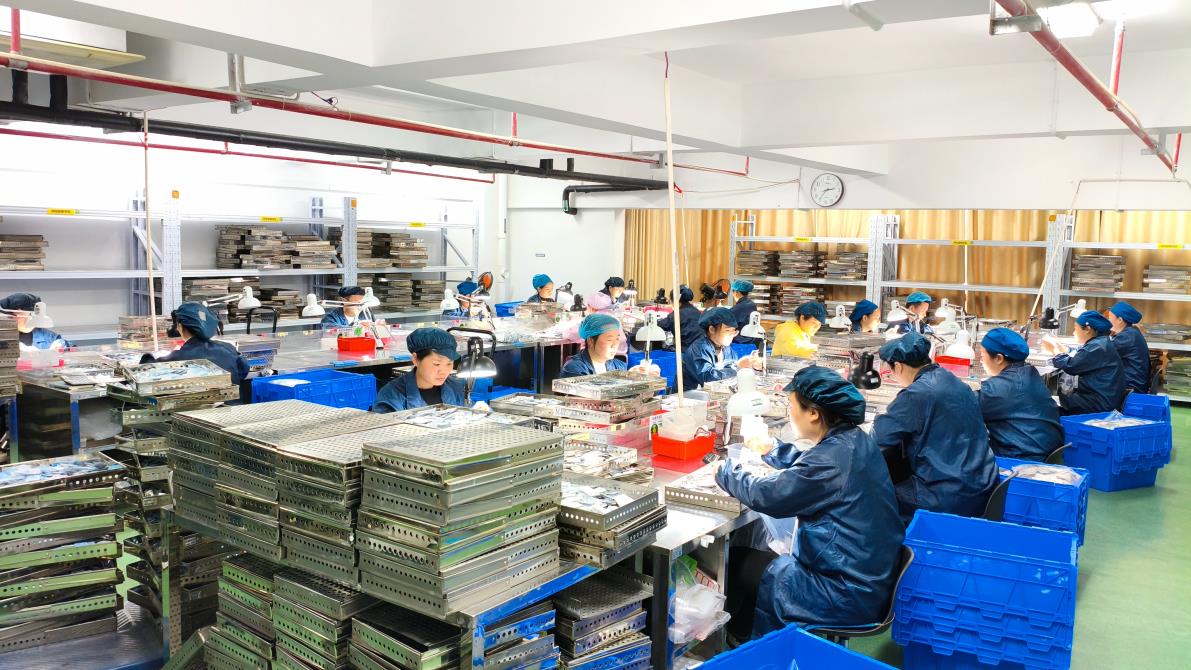
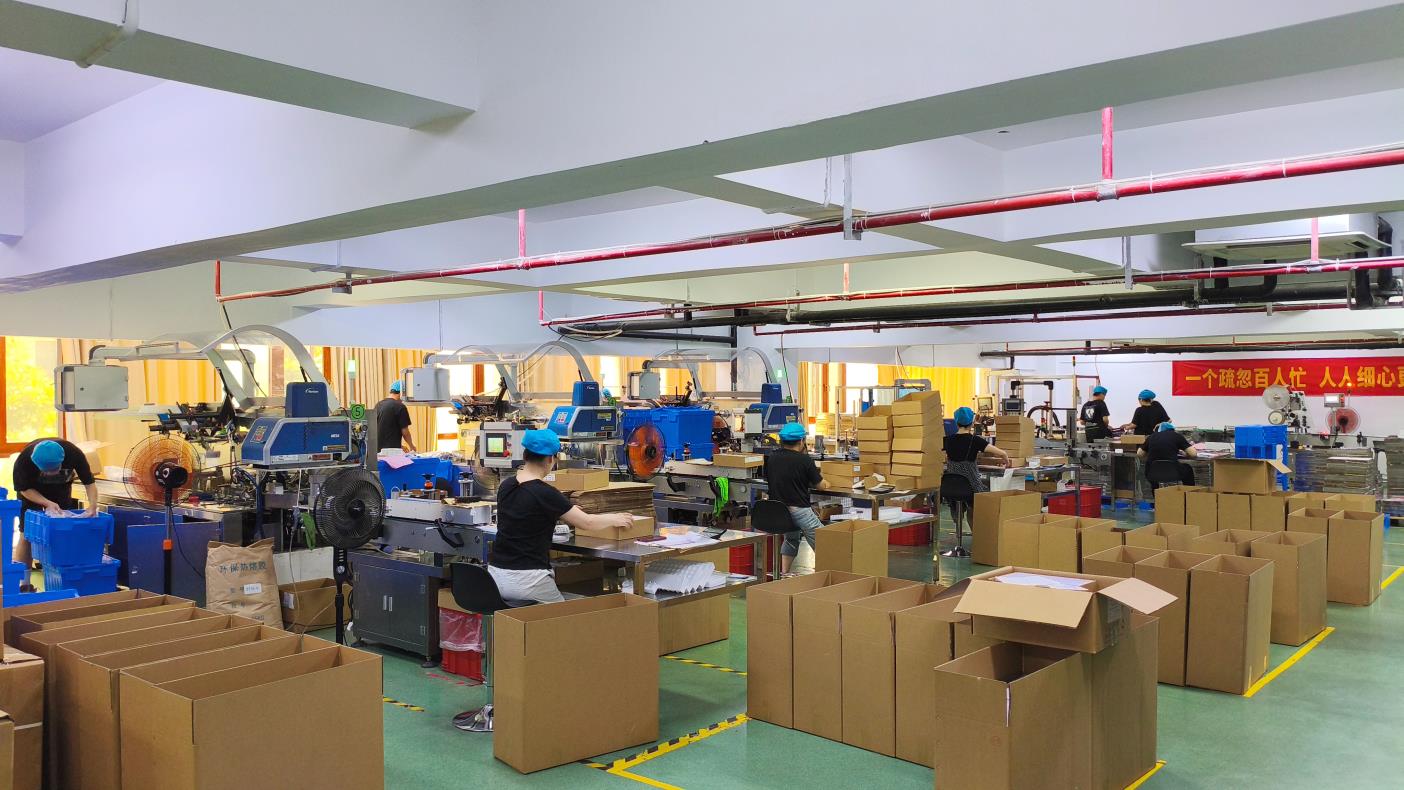
To capture localized markets, distributors must align their stock color profile with targeted regional demographics. Honey and hazel contact lenses are remarkably versatile, finding massive demand across four core consumer scenarios:
1. Everyday Natural Enhancement: The primary market segment comprises consumers who wear cosmetic lenses as part of their daily grooming routine. This demographic seeks soft, warm honey lenses without severe limbal rings to achieve a realistic brightening effect. These consumers prioritize wearing comfort, dry-eye prevention, and natural blending.
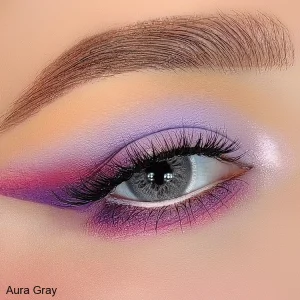
2. High-Fashion & Beauty Makeup: Makeup artists, beauty influencers, and fashion brands rely on striking colored contact lenses to complement diverse cosmetic looks. A honey lens serves as a warm accent to neutral and sunset eye-shadow palettes, creating high contrast on photoshoots and social media platforms.
3. Theatrical, Cosplay & Festive Events: Pop-culture conventions, Halloween, and theatrical events create seasonal surges for highly pigmented cosmetic lenses. In these scenarios, wearers demand higher-intensity honey shades that stand out under camera flashes and heavy stage lighting, necessitating high-opacity color pigments that completely mask dark eyes.
4. Ethnic-Specific Eye Brightening: Globally, individuals with dark brown or black irises (such as populations in East Asia, South Asia, the Middle East, and Latin America) utilize honey-colored lenses to safely lighten their eye tone without surgical interventions, making hazel and warm amber tones consistently best-sellers in these demographics.
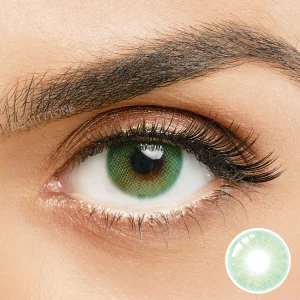
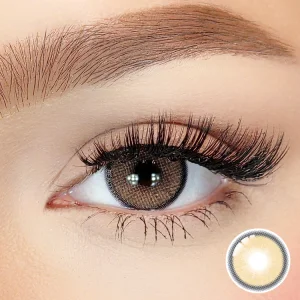
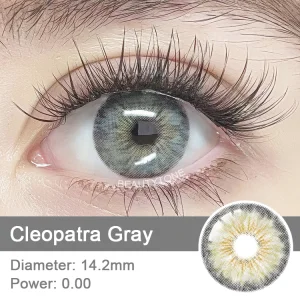
Ensure stable inventory with our direct supply pipeline. Explore more color and packaging variations.
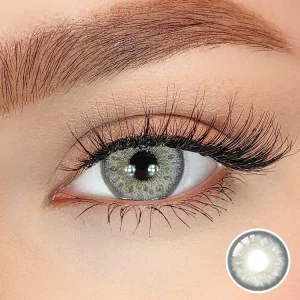
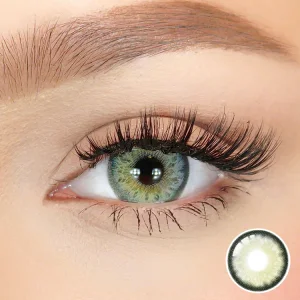
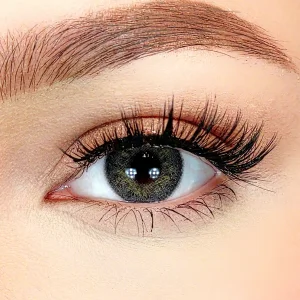
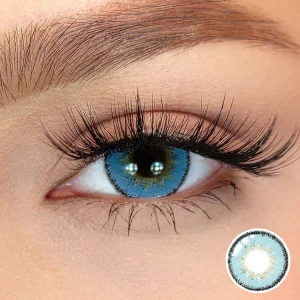
 Blink Lenses