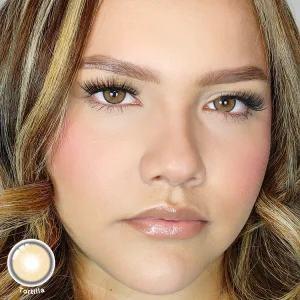
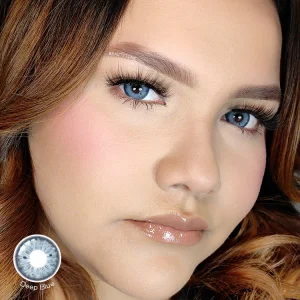
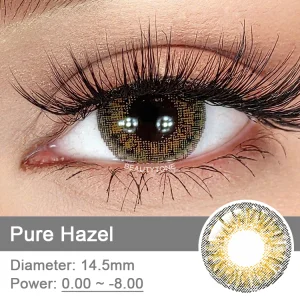
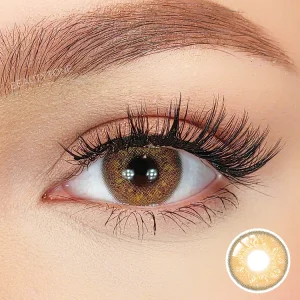
Discover our globally-tested ophthalmic lenses, engineered for ultimate comfort, hydration, and optical precision.
Guangzhou Blink Lenses Trading Co., Ltd. is an industrial-scale manufacturer specializing in the R&D and mass production of high-quality contact lenses and cosmetic colored lenses. Located in the manufacturing hub of Dongguan, China, we operate a fully integrated facility that bridges cutting-edge optical technology with robust supply chain capabilities.
As a dedicated B2B partner, we specialize in OEM, ODM, and turnkey private-label solutions. From material compounding (Hydrogel/Polyhema) to bespoke pattern design and compliant blister packaging, Chic Contacts provides global distributors and vision care brands with unparalleled stability, scale, and safety.
Why Custom OEM Geometric Matching Prevents Corneal Hypoxia and Mechanical Friction
In B2B optical distribution, generic lenses lead to elevated return rates and consumer dissatisfaction. A proper contact lens fitting involves far more than optical power (diopters). It demands precise geometric matching with the user's corneal topography. At Guangzhou Blink Lenses, our engineering team optimizes three critical dimensional metrics to ensure physiological compatibility:
"Under Google's E-E-A-T guideline criteria, optical products are classified under Your Money or Your Life (YMYL). Thus, our manufacturing processes prioritize physical ocular safety through rigorous biocompatibility screening of Hydrogel and Polyhema polymers."
Our OEM manufacturing facility offers tailored material profiles based on market requirements. Hydrogel formulations (such as Etafilcon A or Ocufilcon D) provide higher water content and excellent initial comfort, making them ideal for daily disposable lines. Polyhema-based compounds offer superior tensile strength, stability, and handling characteristics, making them the preferred material for complex yearly colored contacts. Both materials undergo UV polymerization and hydration stabilization cycles to prevent shrinkage or base curve deformation over the product lifecycle.
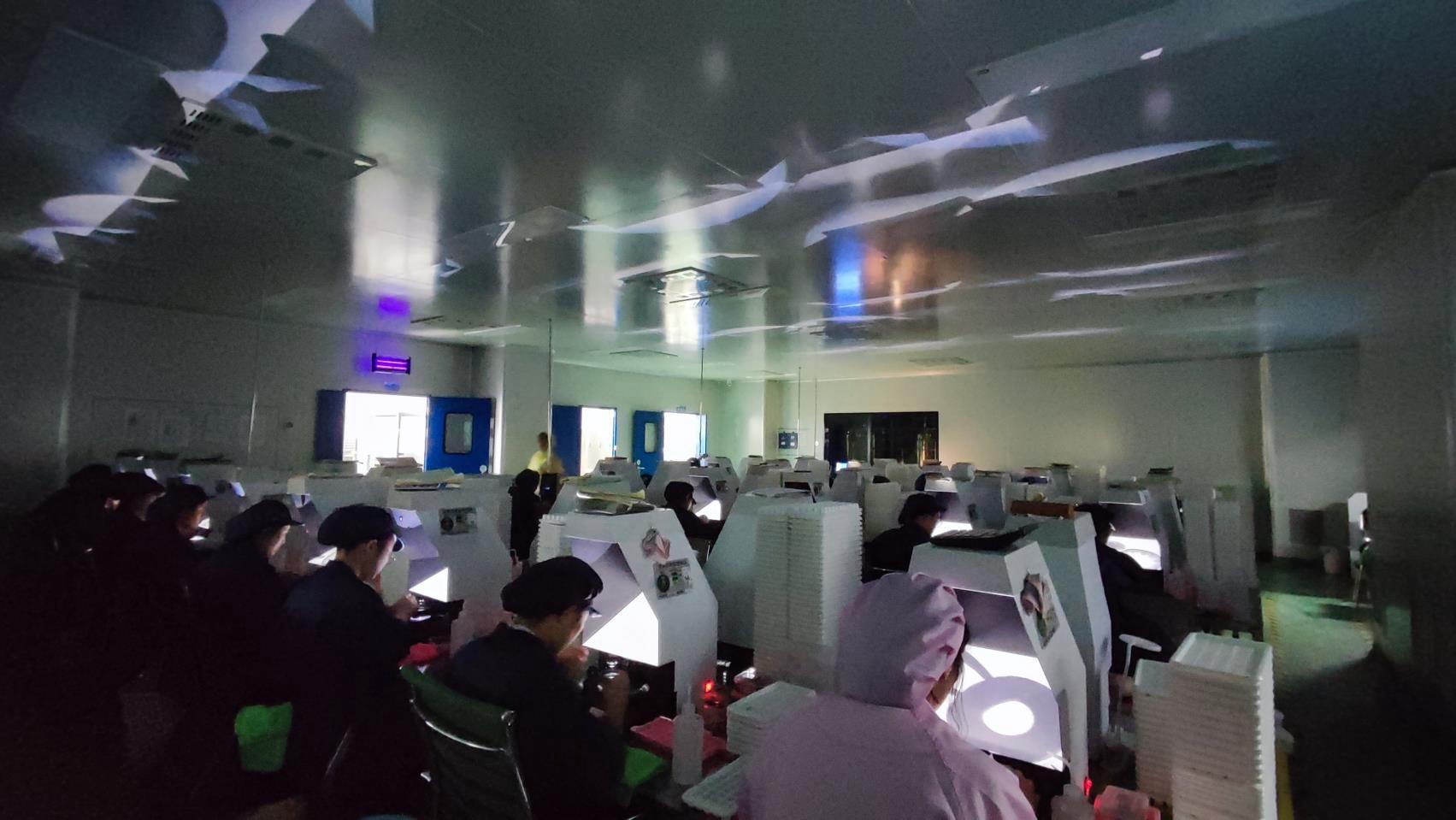
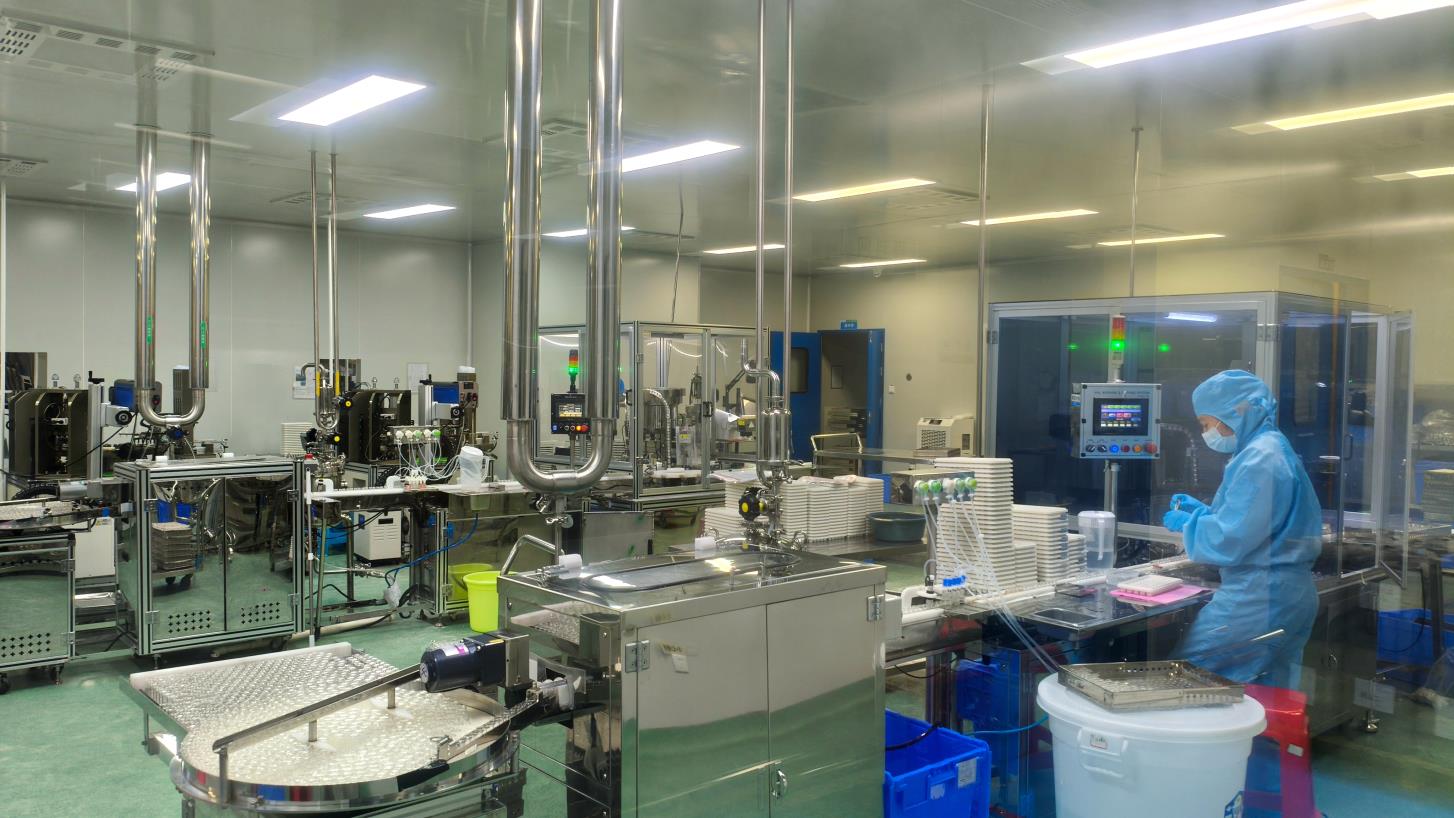
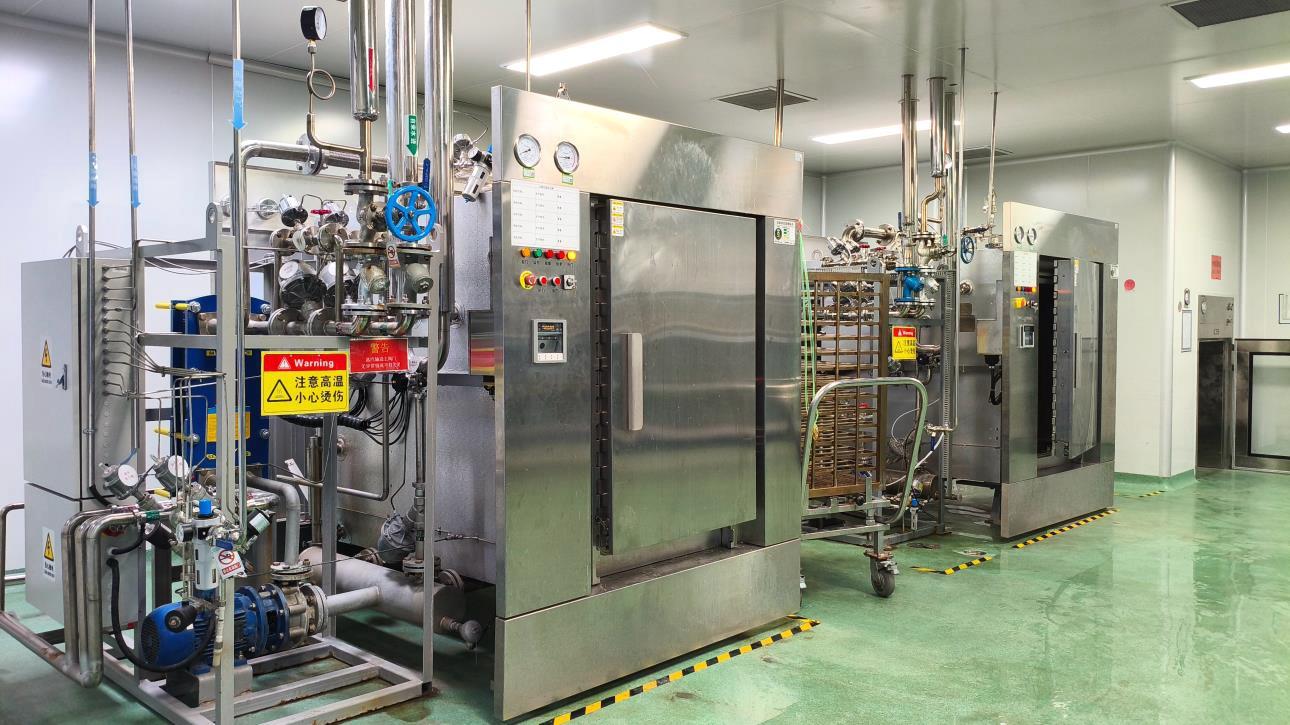
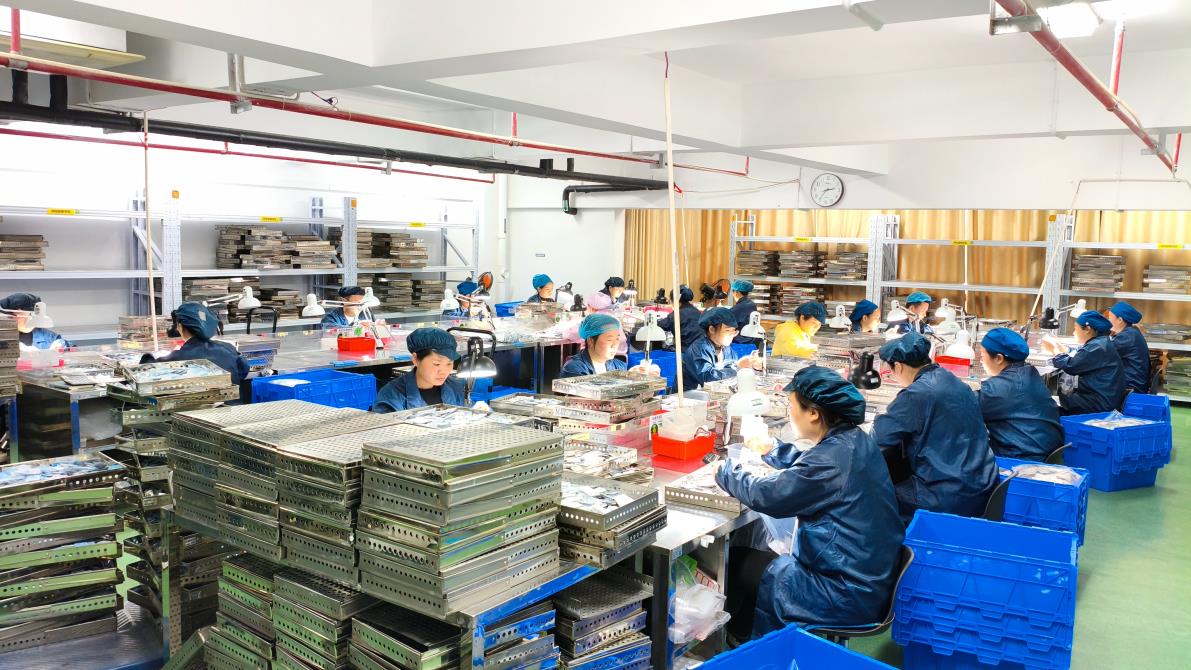
Inside our Dongguan factory: Automated manufacturing lines from raw polymer to sterilized blister packs.
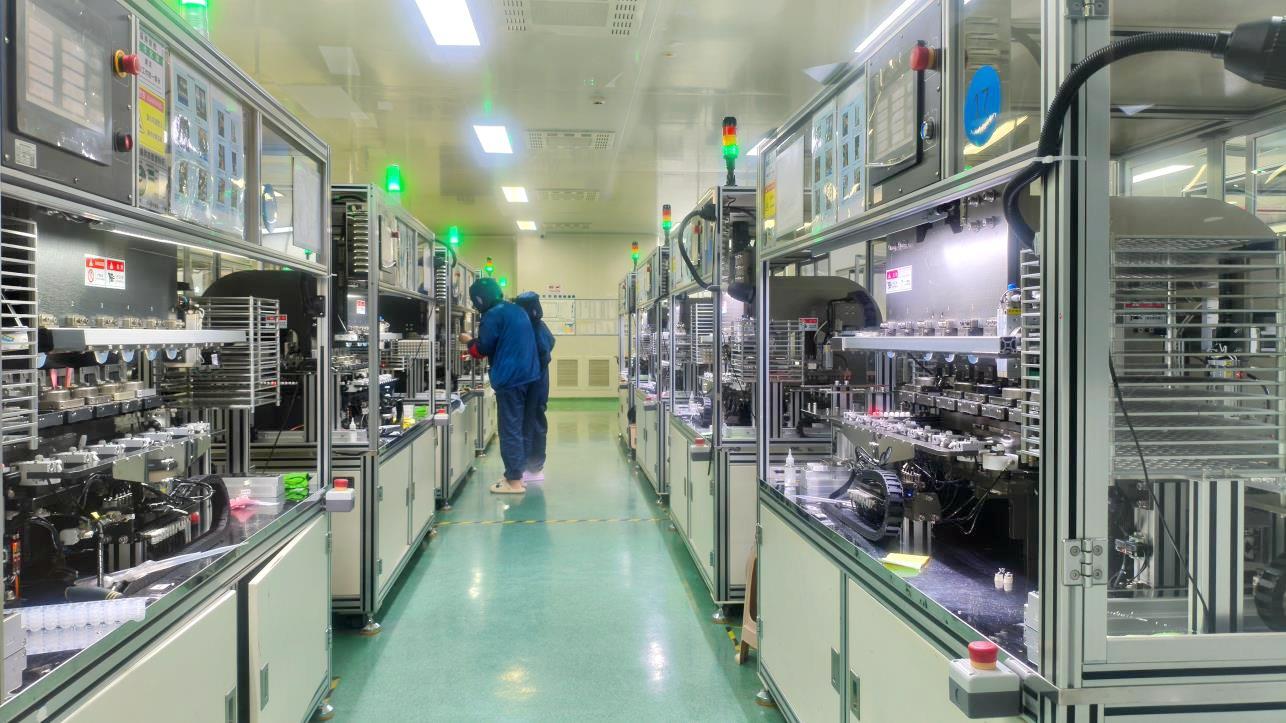
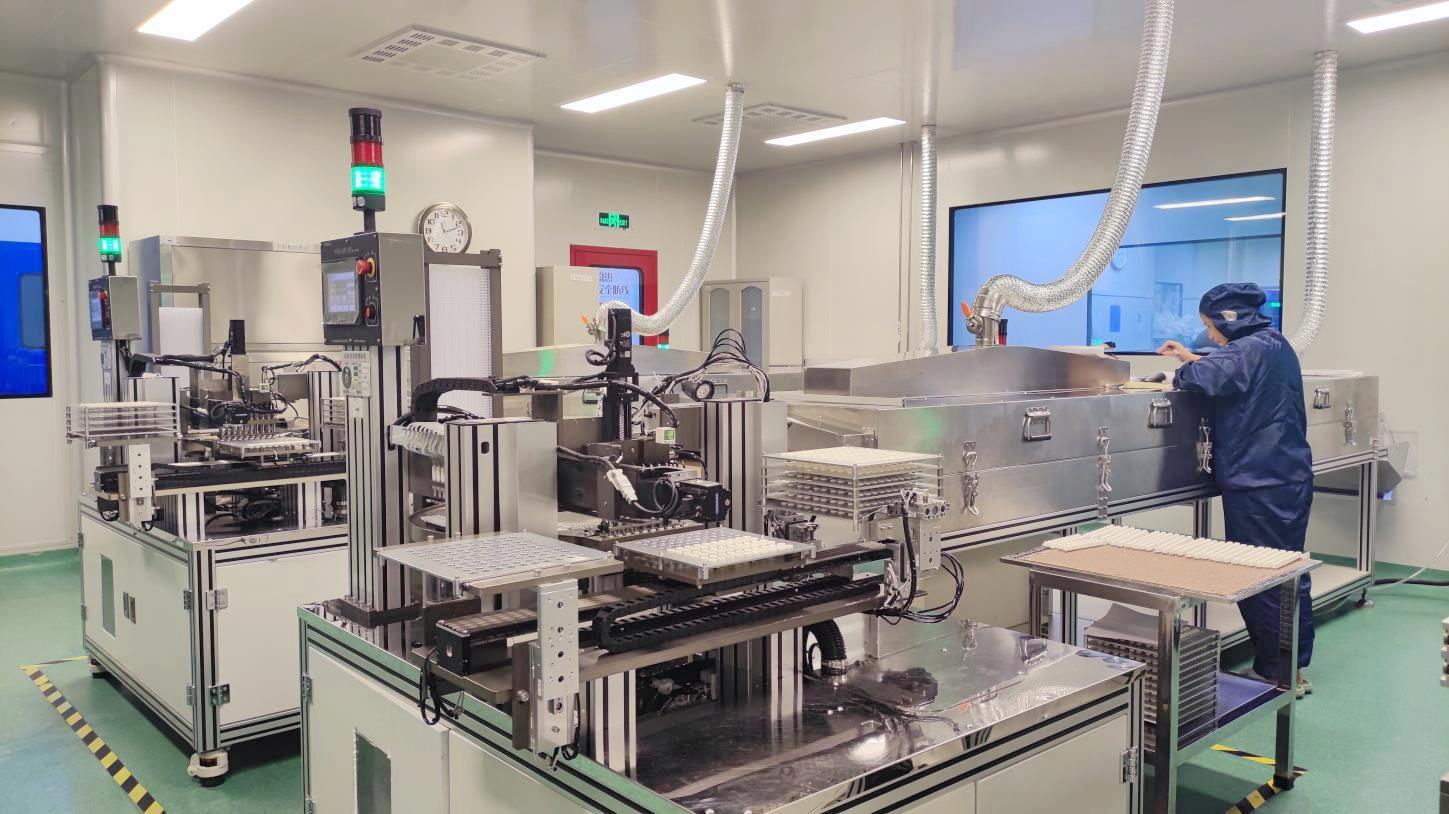
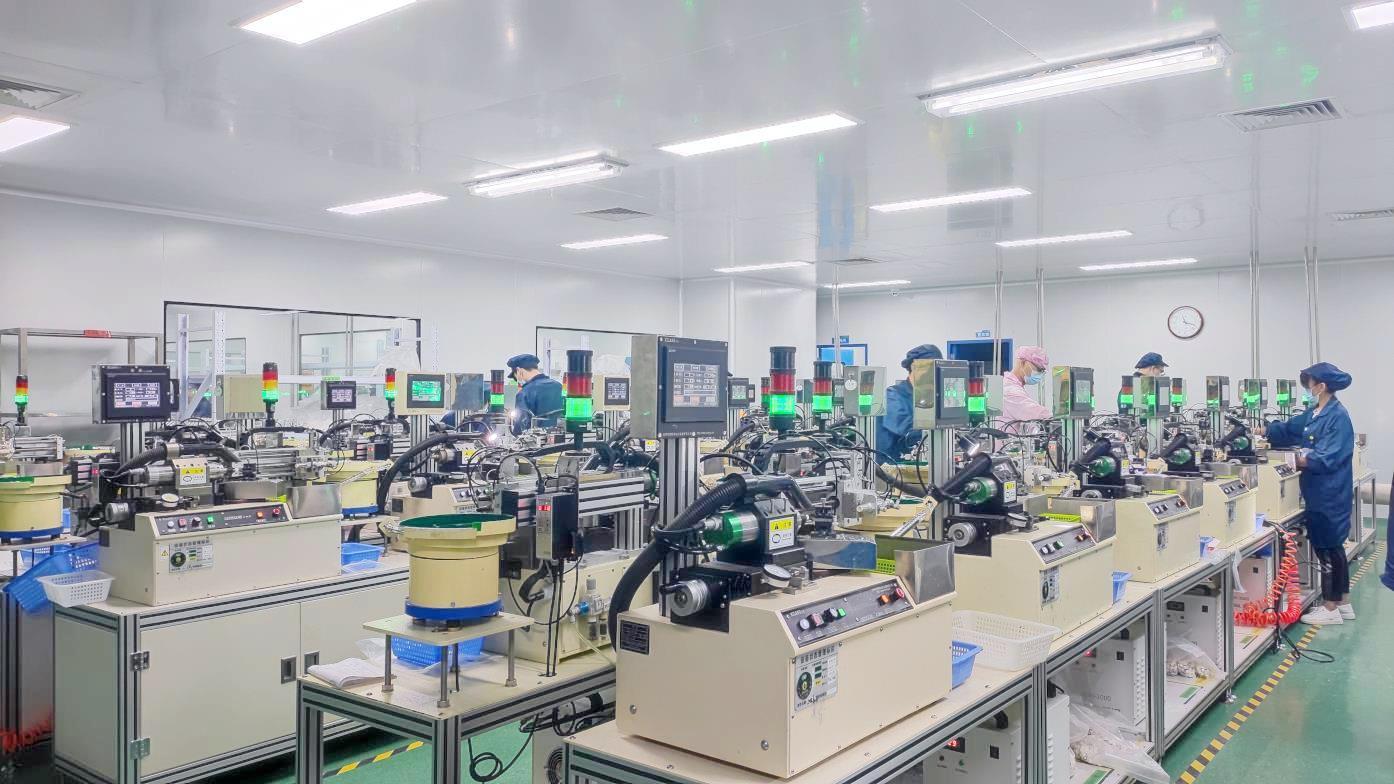
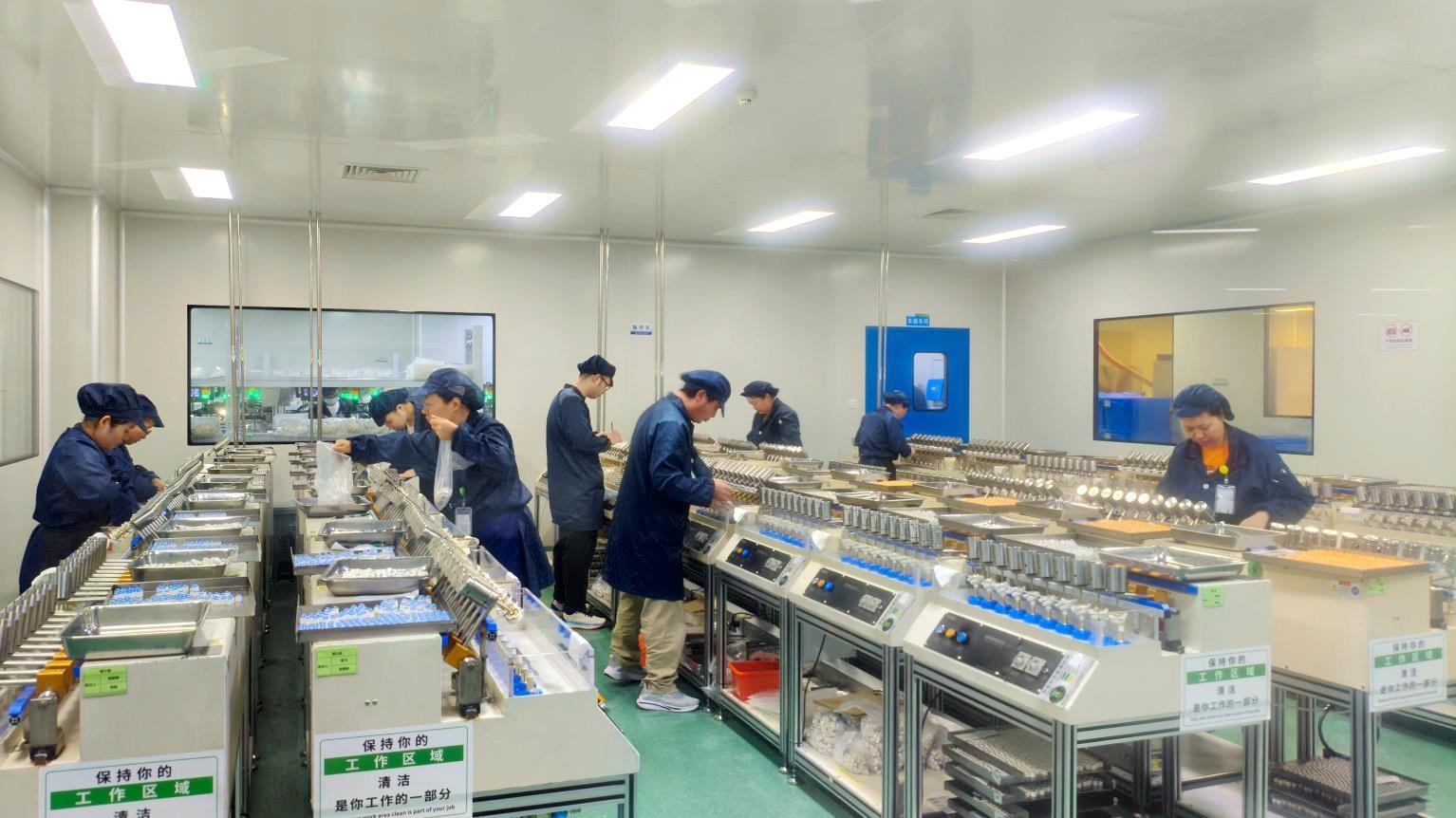
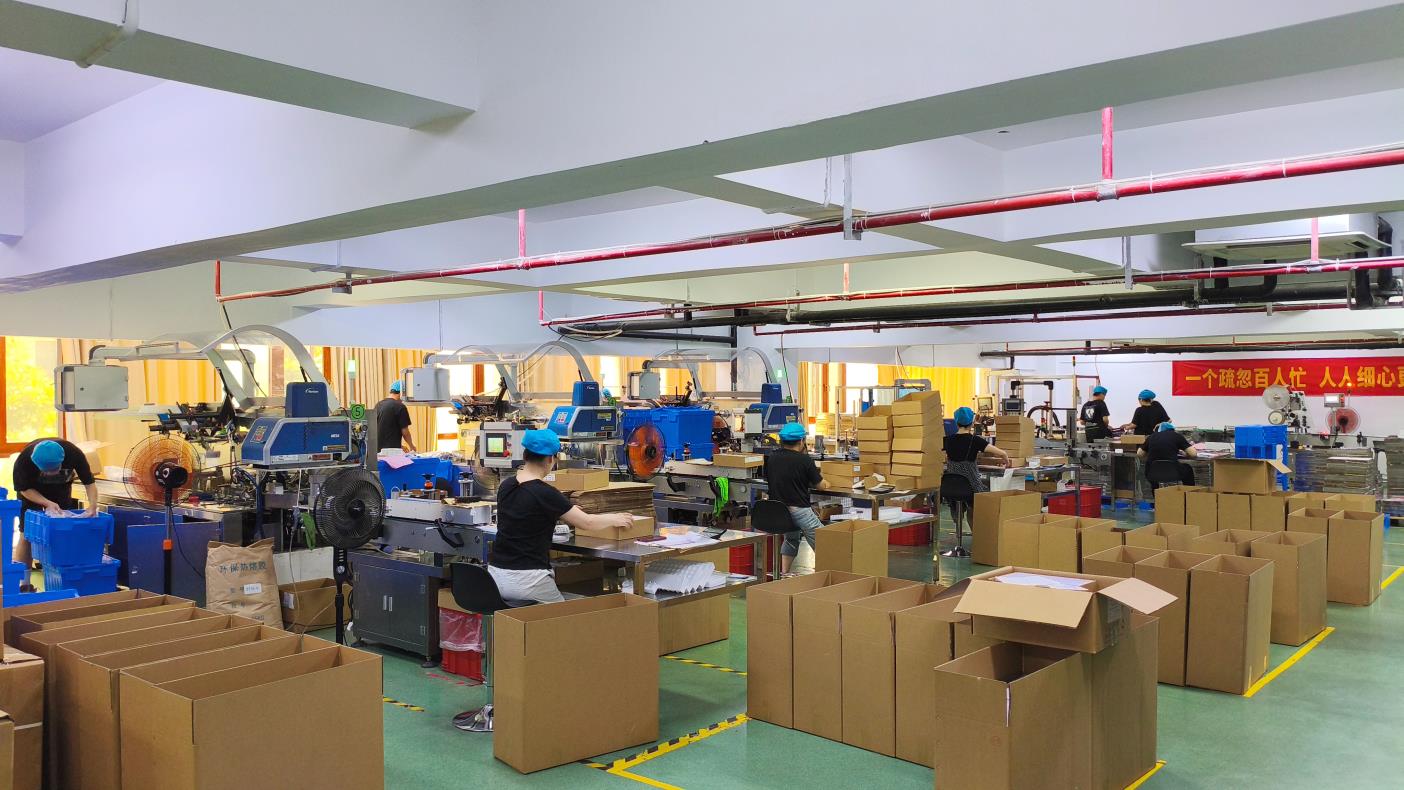
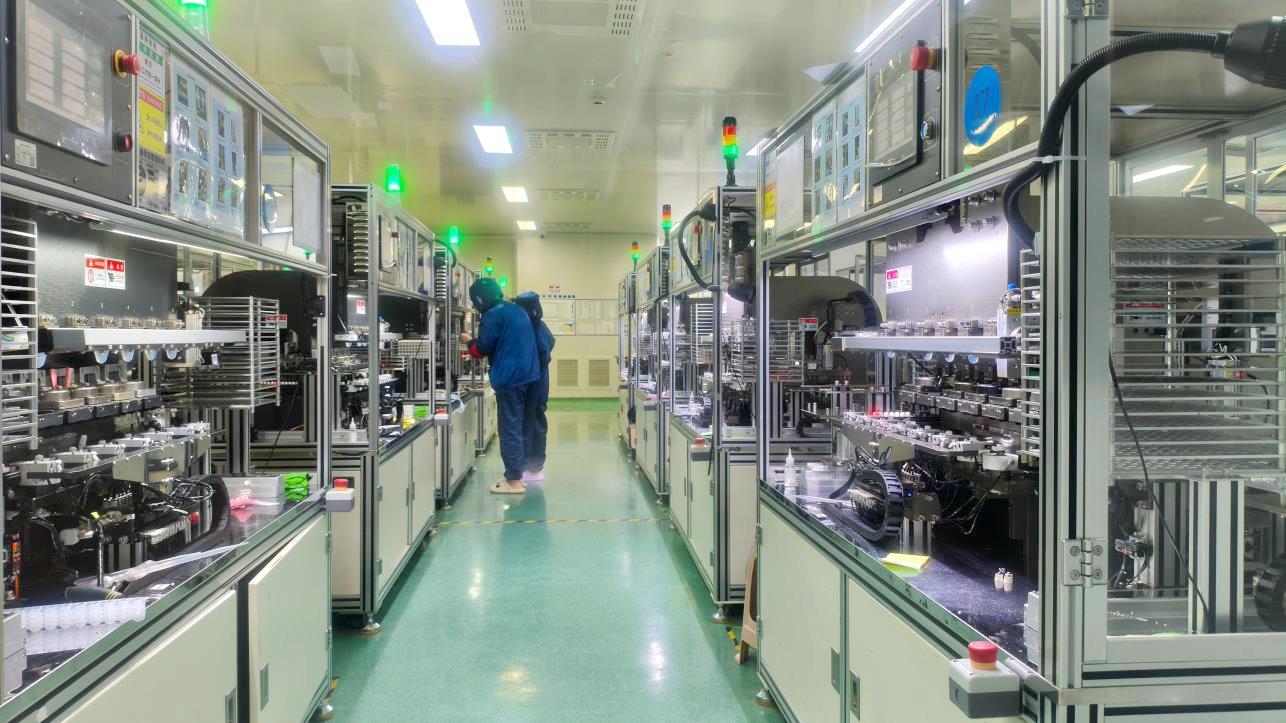
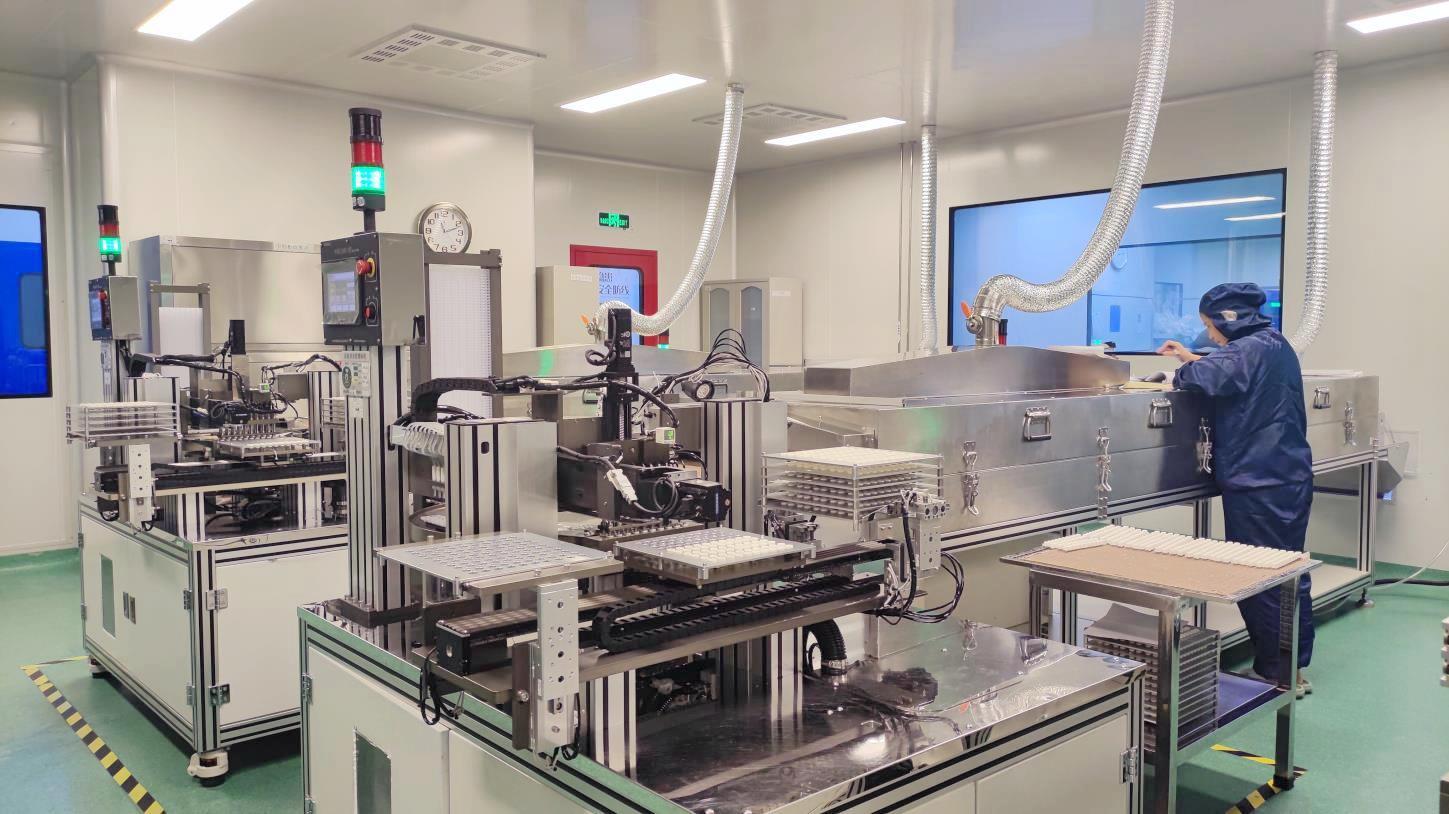
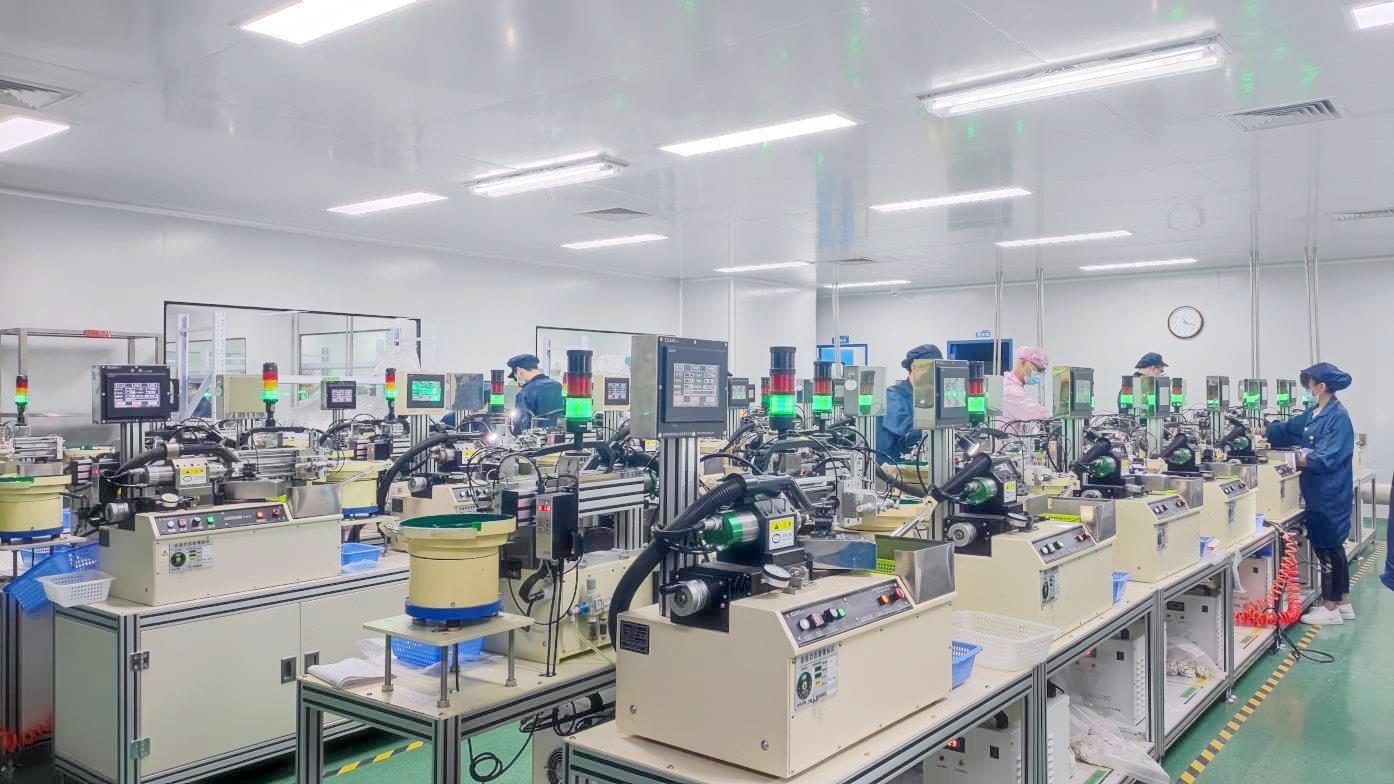
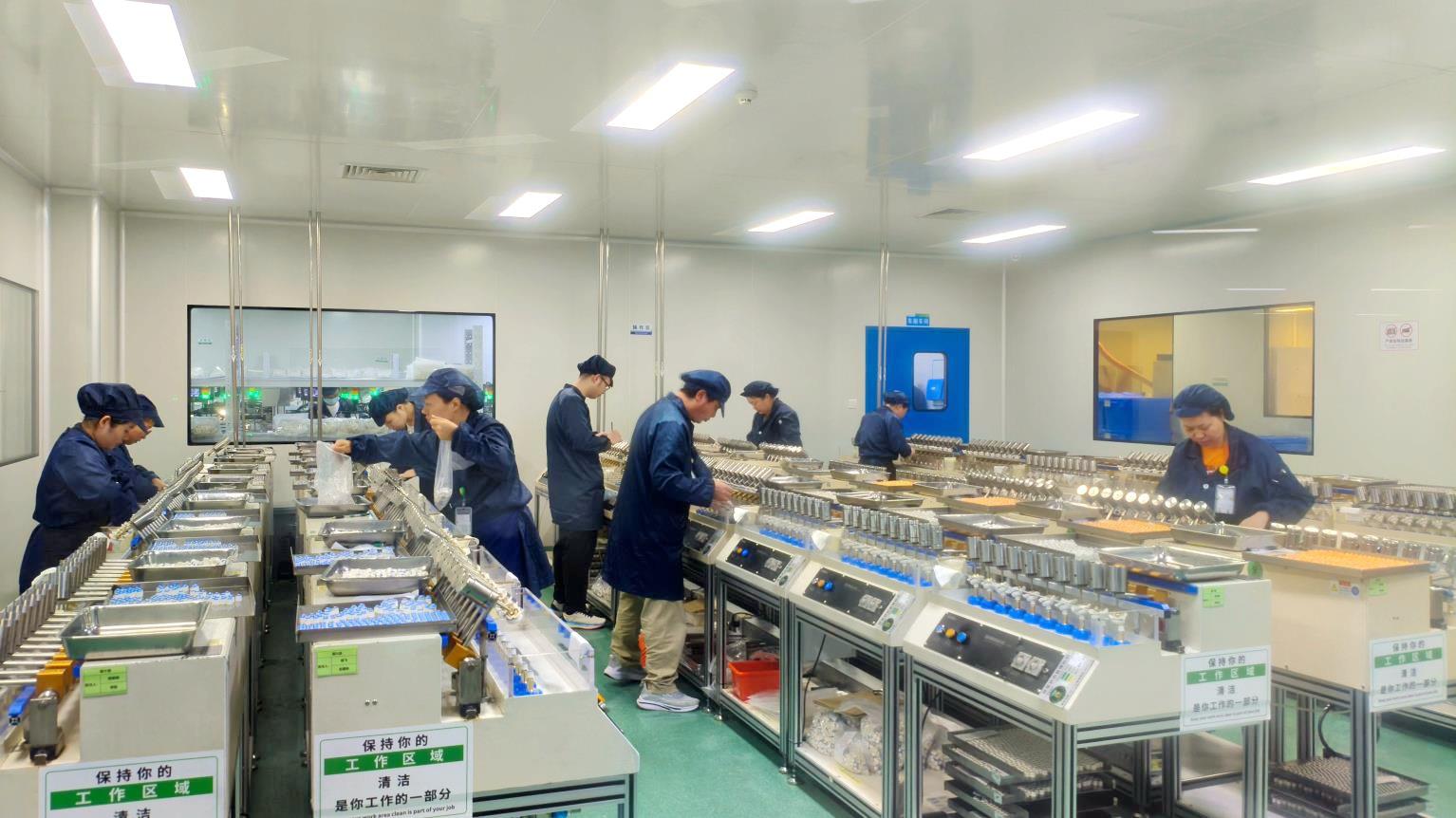
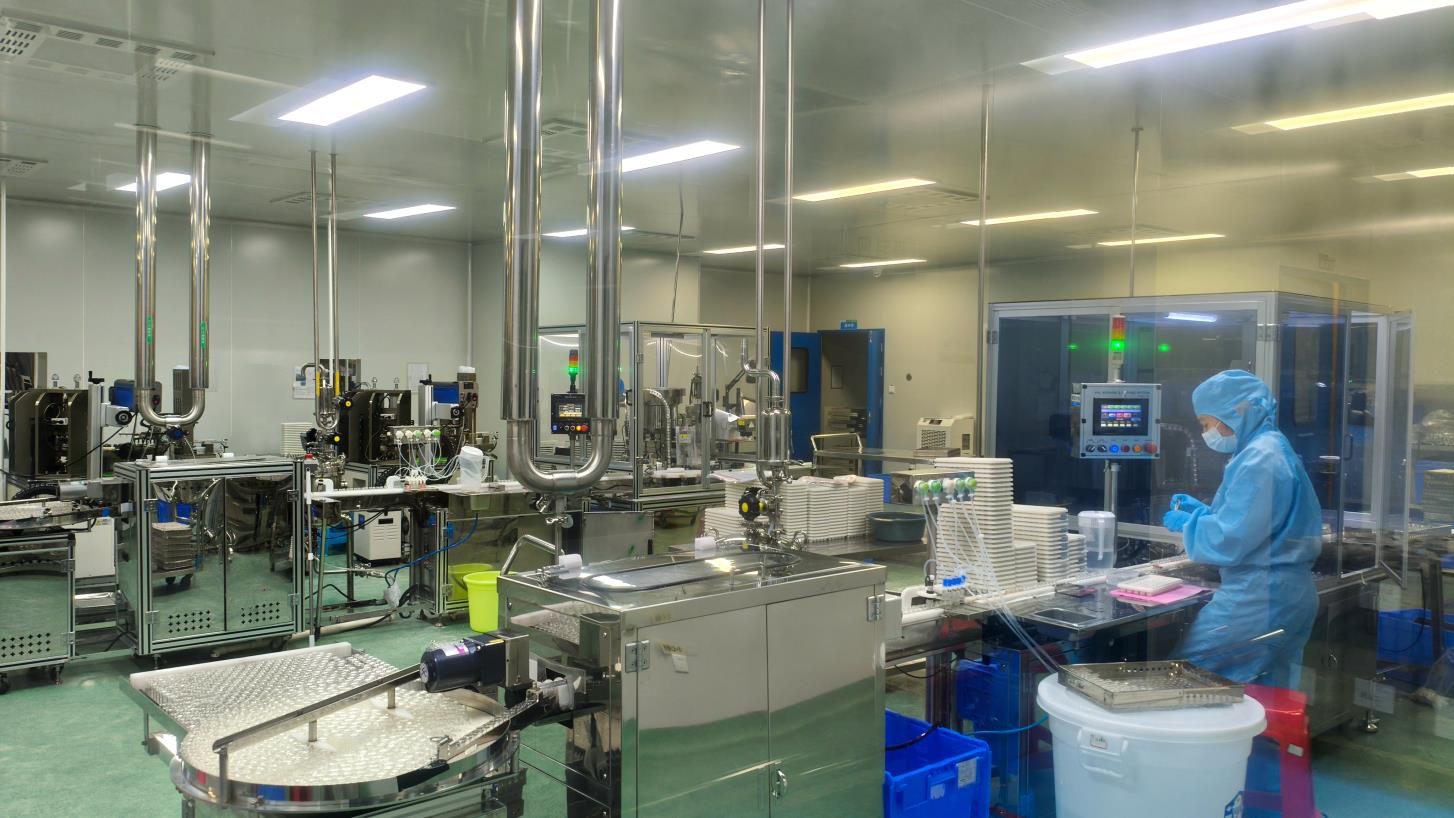
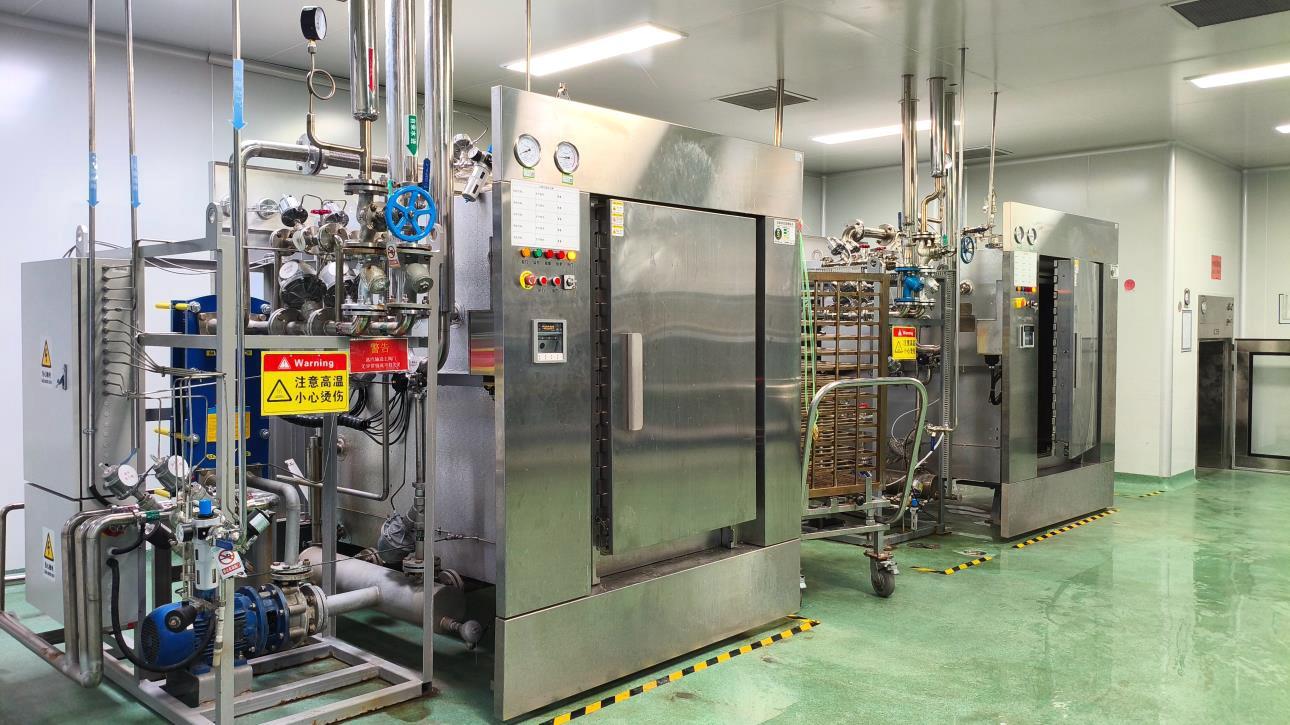
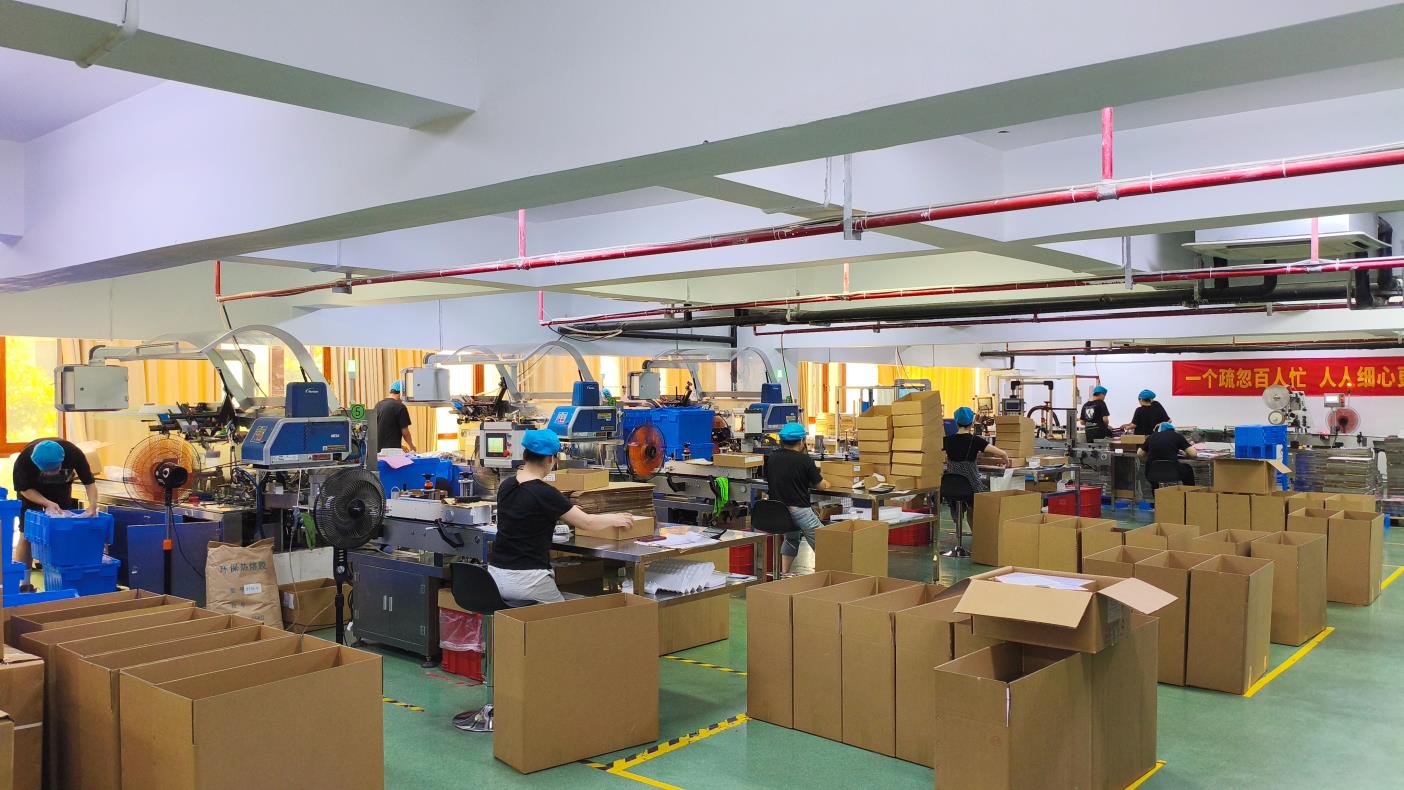
Optimizing lead times, custom configurations, and cost structures for major regional optical markets.
Procuring contact lenses at scale requires a deep understanding of regional ophthalmic profiles and localized regulatory hurdles. Guangzhou Blink Lenses assists B2B buyers by engineering solutions that address distinct market characteristics:
| Specification Parameter | Standard Range Offered | Tolerance Limit | Quality Standards Compliance |
|---|---|---|---|
| Base Curve (BC) | 8.00 mm – 9.00 mm (0.1mm steps) | ±0.05 mm | ISO 18369-2 Ophthalmic Optics |
| Overall Diameter (DIA) | 13.50 mm – 15.00 mm (0.1mm steps) | ±0.10 mm | ISO 18369-2 Ophthalmic Optics |
| Center Thickness (tc) | 0.06 mm – 0.15 mm (at -3.00D) | ±0.010 mm | ANSI Z80.20-2016 Certification |
| Water Content | 38% – 58% | ±2.0% | Gravimetric Method Validation |
| Oxygen Permeability (Dk) | 9.5 – 12.0 (Hydrogel) / Up to 100 (SiHy) | Nominal target range | Polarographic Method (ISO 18369-4) |
The future of B2B vision care: Silicone Hydrogels, smart diagnostics, and automated quality monitoring.
Our commitment to growth is driven by continuous R&D. Over the next 3 to 5 years, our technical development roadmap focuses on three main sectors designed to help OEM brands secure a premium market share:
Standard Hydrogels are limited by their water-dependent oxygen transmission. Our upcoming high-Dk Silicone Hydrogel lines integrate siloxane macromers to achieve oxygen transmissibility levels 5 to 6 times greater than traditional lenses. This minimizes corneal hypoxia and enables overnight or extended wear options for patients requiring specific clinical care.
To address computer vision syndrome and dry eye, we are integrating wetting agents (such as Hyaluronic Acid or Polyvinylpyrrolidone - PVP) directly into the monomer matrix. Unlike surface coatings that degrade over time, these internal wetting agents stay locked inside the lens, keeping it hydrated for up to 16 hours of daily wear.
For cosmetic colored contacts, our facility employs advanced sandwich technology. Pigments are embedded safely between the outer layers of the lens polymer. This ensures that dyes never come into direct contact with the cornea or palpebral conjunctiva, while maintaining a smooth surface profile that prevents lipid deposition.
Guaranteed compliance across multiple jurisdictions through verified medical system certifications.
Contact lenses are categorized as Class IIa medical devices in Europe and Class II devices in the USA. Consequently, our Dongguan factory maintains a highly detailed compliance framework to streamline registration for our global clients:
Our production facility is subject to annual audits by notified bodies, verifying our cleanroom particle counts, water purification systems (USP Purified Water), and automated projection inspections. This thorough quality oversight ensures that every OEM lens shipped to your warehouse meets international vision care guidelines.
Technical and regulatory answers for sourcing managers, distributors, and private label partners.
Our standard Minimum Order Quantity (MOQ) for custom OEM private label packaging starts at 1,000 pairs per design/color code, with a total order minimum of 5,000 pairs. This enables cost-effective setups for automated blister filling, sterilization, and custom color printing.
Yes. While our standard stock runs on an 8.6mm Base Curve and 14.0mm/14.2mm/14.5mm Diameters, we can configure our CNC lathe turning systems to produce custom runs featuring base curves from 8.0mm to 9.0mm and diameters up to 15.0mm. Custom runs are subject to setup fees and verification by our quality control laboratory.
We provide a complete regulatory packet with every shipment, including ISO 13485 Quality Management certificates, CE Conformity declarations, Certificate of Free Sale (CFS), sterilization cycle logs, and material safety data sheets (MSDS). For regions with strict medical systems, we can supply raw material compliance declarations and packaging bio-compatibility tests.
We utilize a double-layer sandwich construction. In this process, the colored ink layers are printed onto a base lens mold and then cured. Following this, a second layer of protective polymer is cast over the design. This creates a barrier that isolates the pigments, ensuring the ink does not directly contact corneal tissue.
Our lenses are validated for a shelf life of 5 years from the date of sterilization, provided the blister pack seal remains intact and undamaged. We use medical-grade PP blister trays and high-barrier foil lidding materials to ensure stable seal integrity and prevent dehydration.
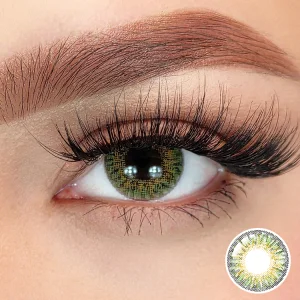
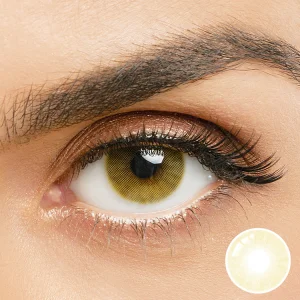
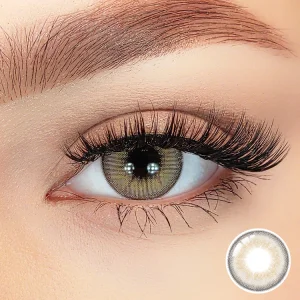
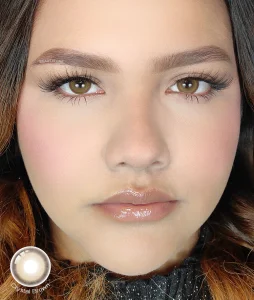
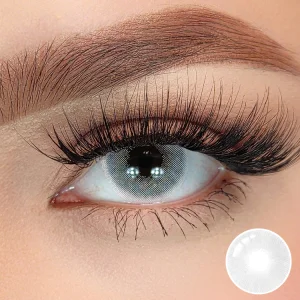
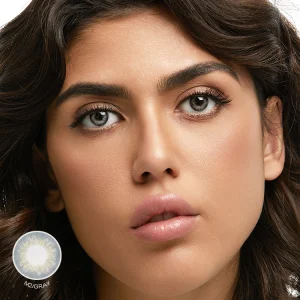
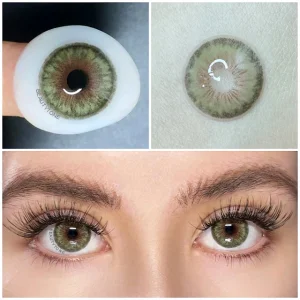
Select from our certified colored and natural lens lines, customizable to your target brand specifications.
 Blink Lenses