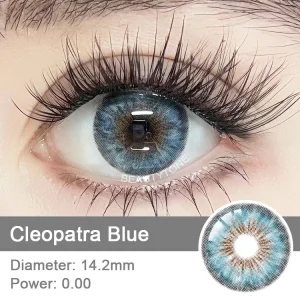
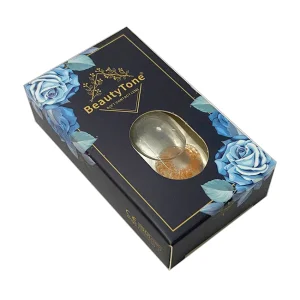
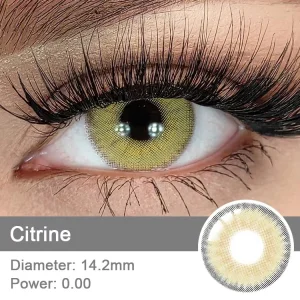
Explore our premium B2B custom collection featuring optimized oxygen permeability and high-contrast translucent tint matrices designed to naturally elevate iris definition.


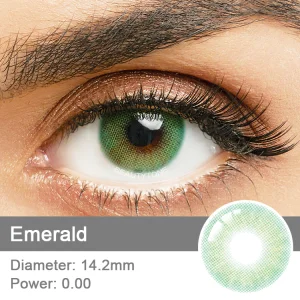
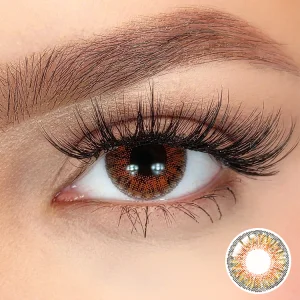
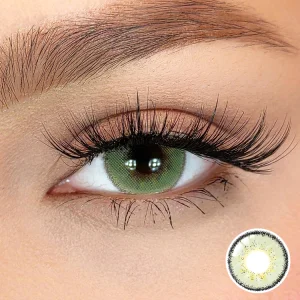
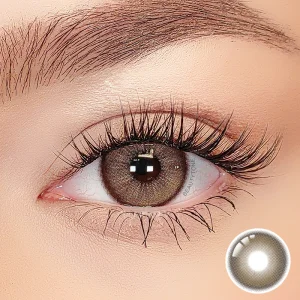
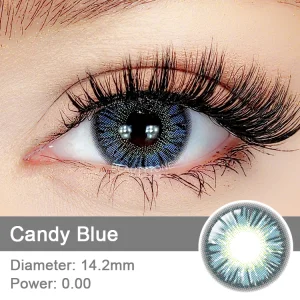
Leveraging polymer chemistry, micro-coloration physics, and medical-grade manufacturing technologies to meet the evolving demands of cosmetic, diagnostic, and prosthetic optical markets.
Unlike opaque cosmetic color lenses that completely mask the natural iris with high-density pigments, enhancement tint lenses employ translucent dye matrices. These lenses are engineered to harmonize with the wearer's native ocular pattern, enriching color intensity and providing depth without compromising light transmission or pupil reactions. As a result, the demand for enhancement tint contact lenses has surged across global consumer markets, optical clinics, and high-fashion retail channels.
Developing reliable enhancement tint lenses requires advanced molecular design, consistent color control, and high biocompatibility. In high-volume production, maintaining precise color density and mechanical integrity is a significant challenge. Industrial manufacturers must ensure that translucent tints do not affect physical properties like oxygen transmissibility ($Dk/t$), water content, or mechanical modulus.
Guangzhou Blink Lenses Trading Co., Ltd. addresses these challenges by combining advanced material engineering with automated production. Our R&D team uses biocompatible polymers, such as Poly-2-hydroxyethyl methacrylate (Polyhema) and advanced Hydrogels, paired with non-leaching dye technologies. This ensures that our enhancement tints remain locked within the lens matrix, preventing pigment-to-cornea contact and maintaining a safe, comfortable wearing experience.
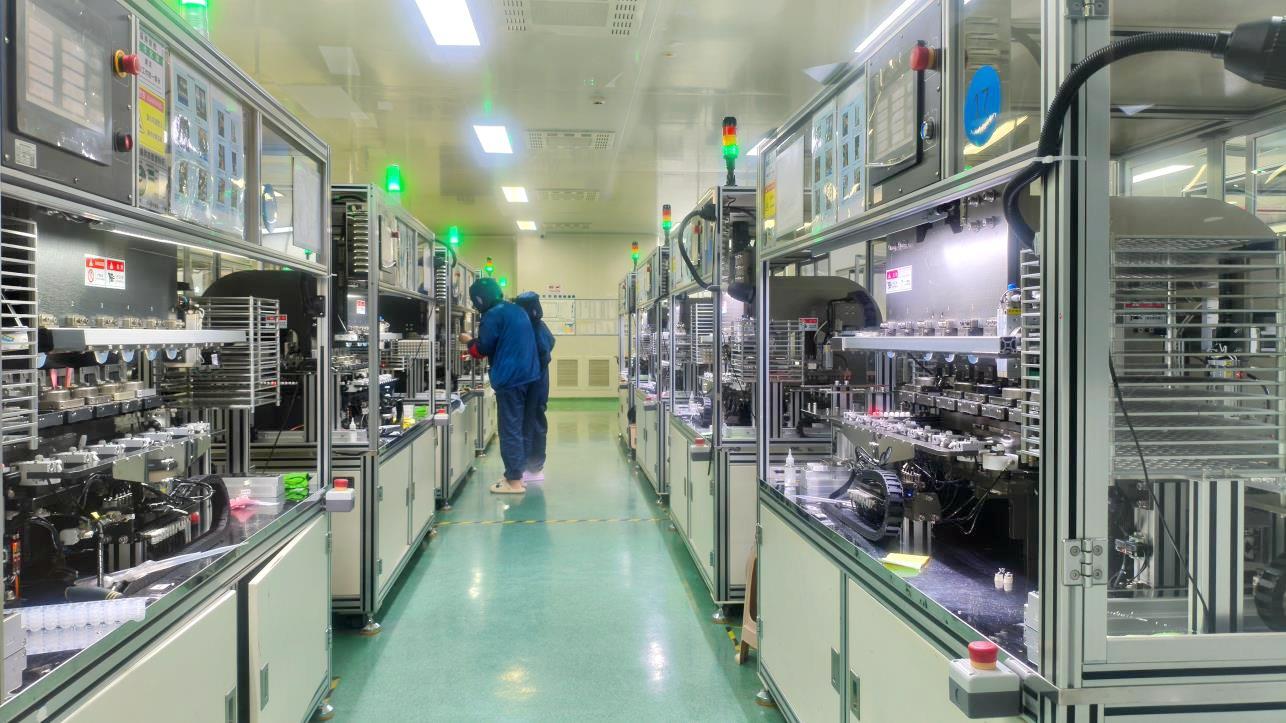
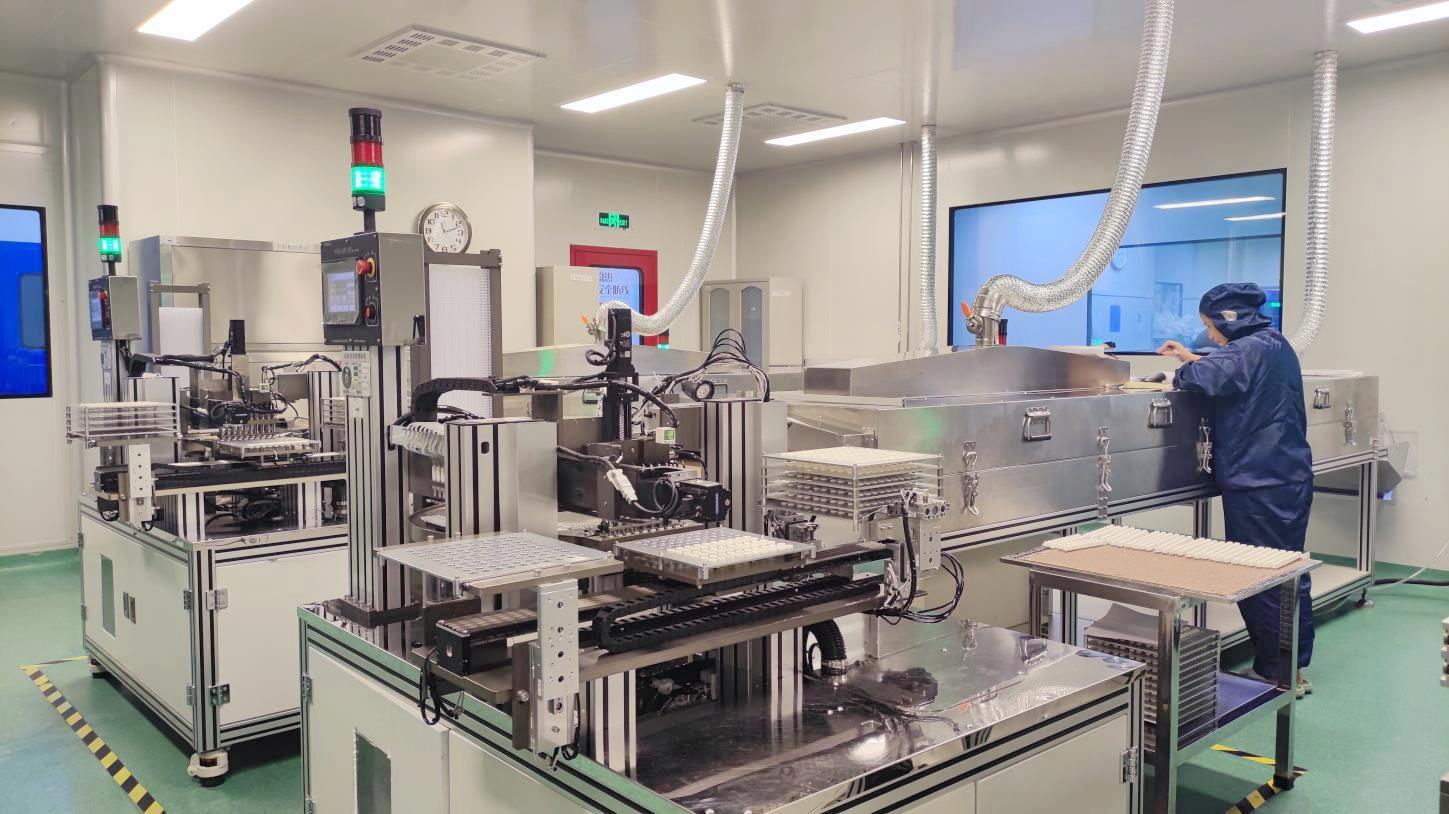
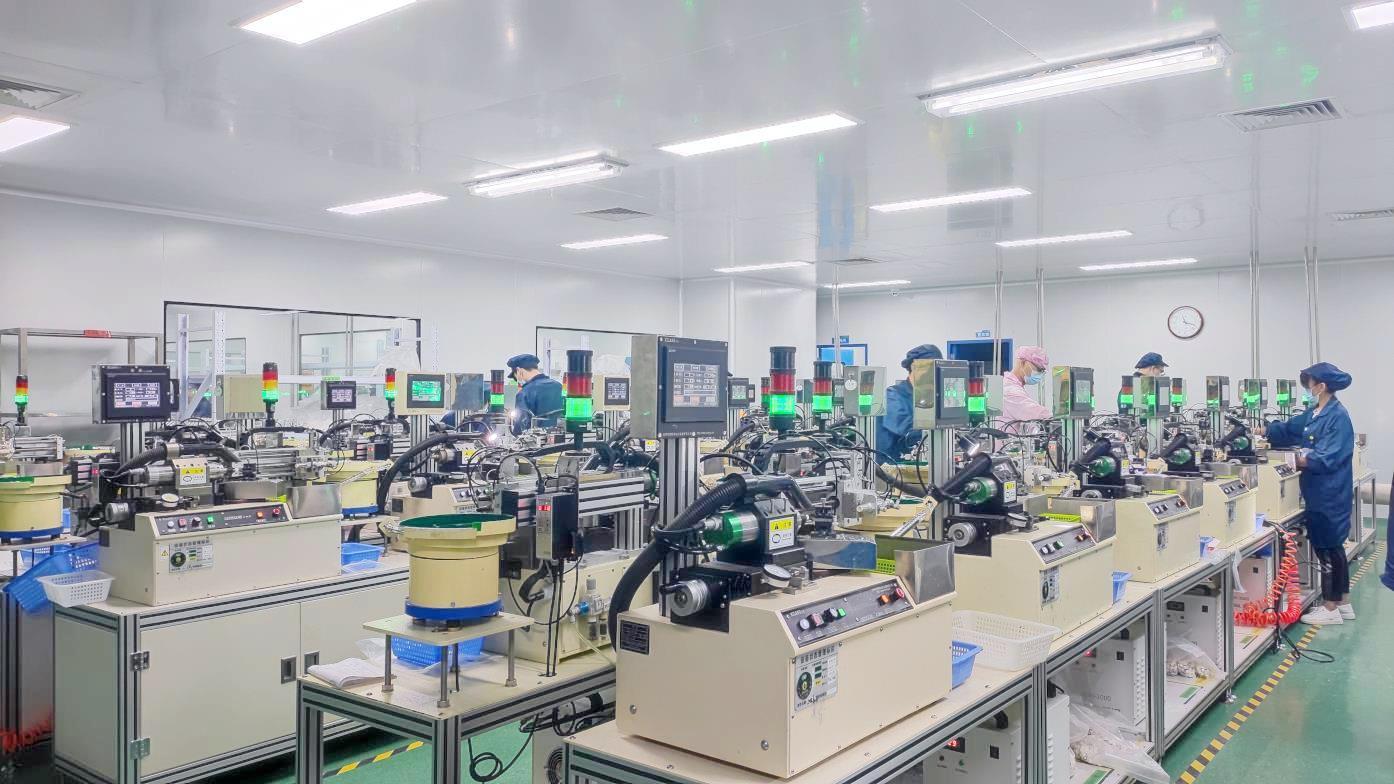
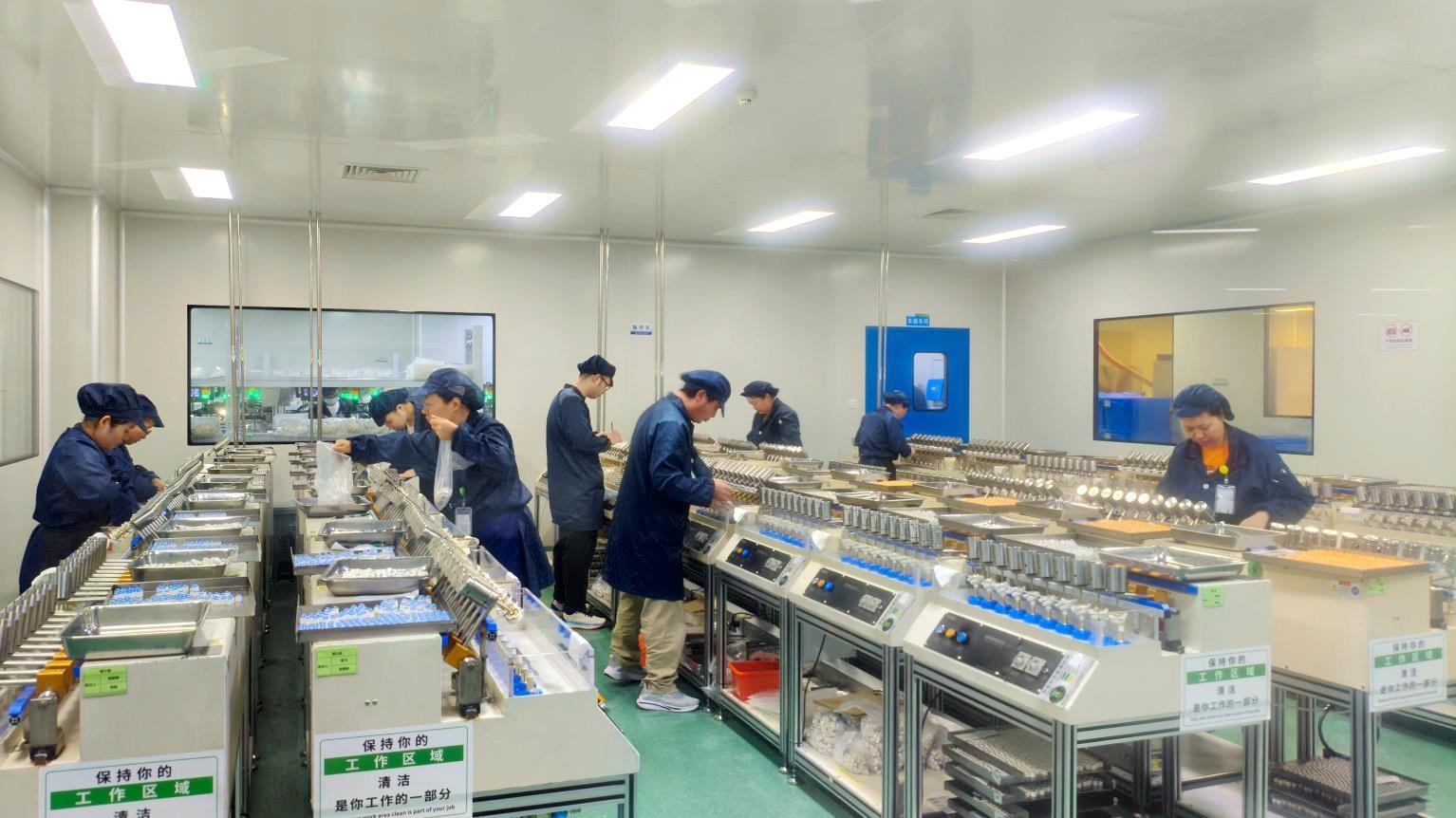
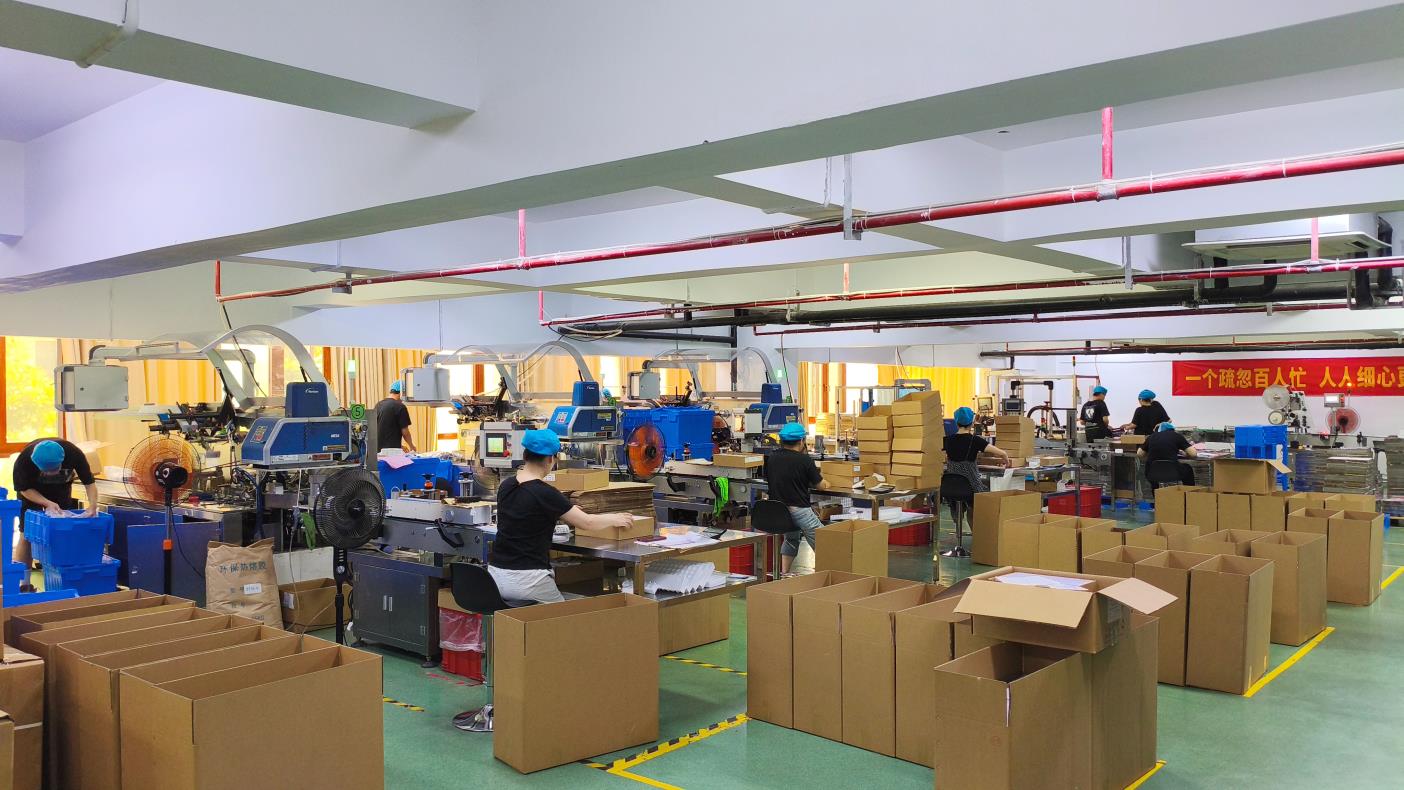
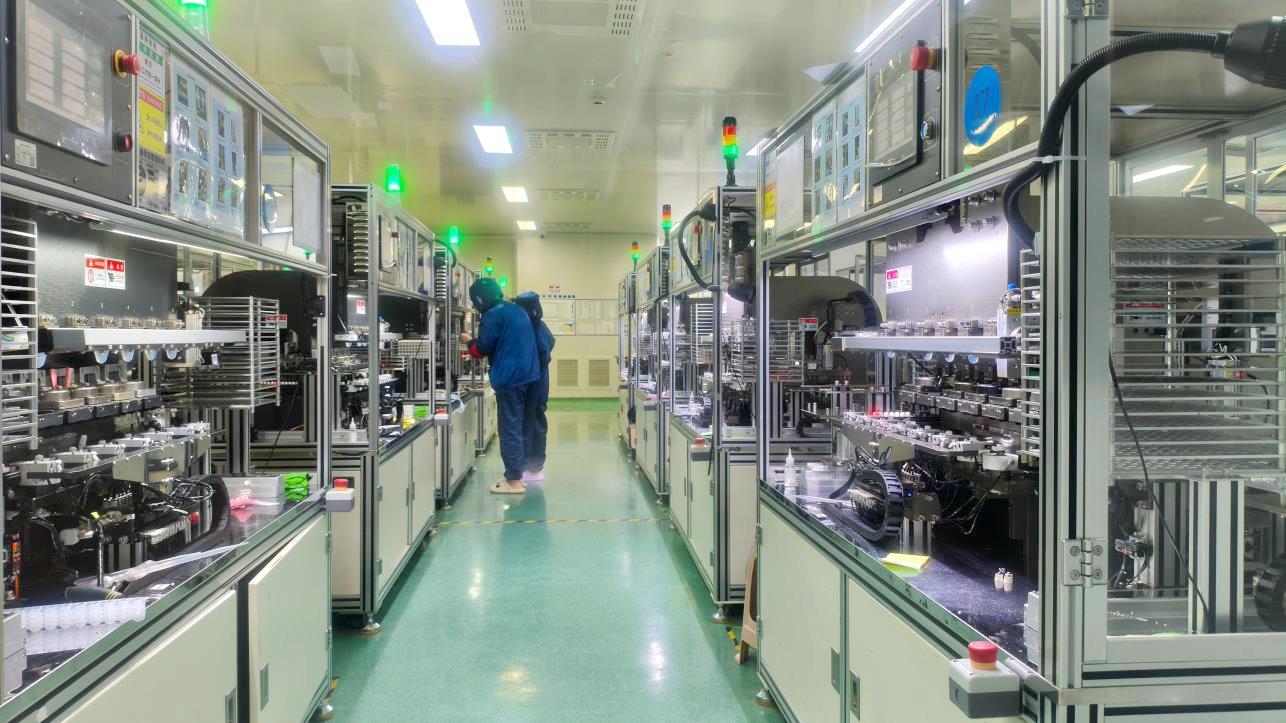
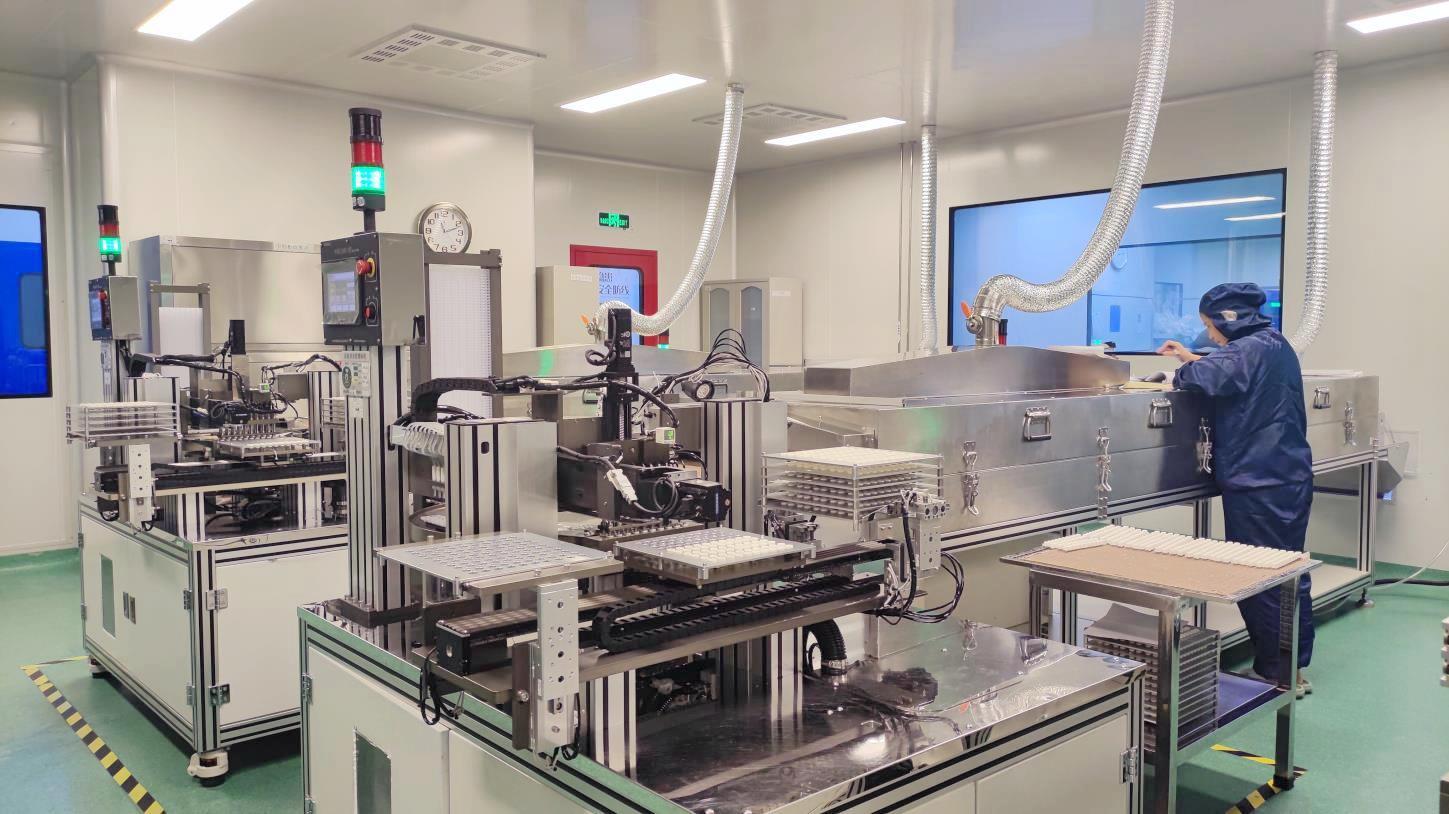
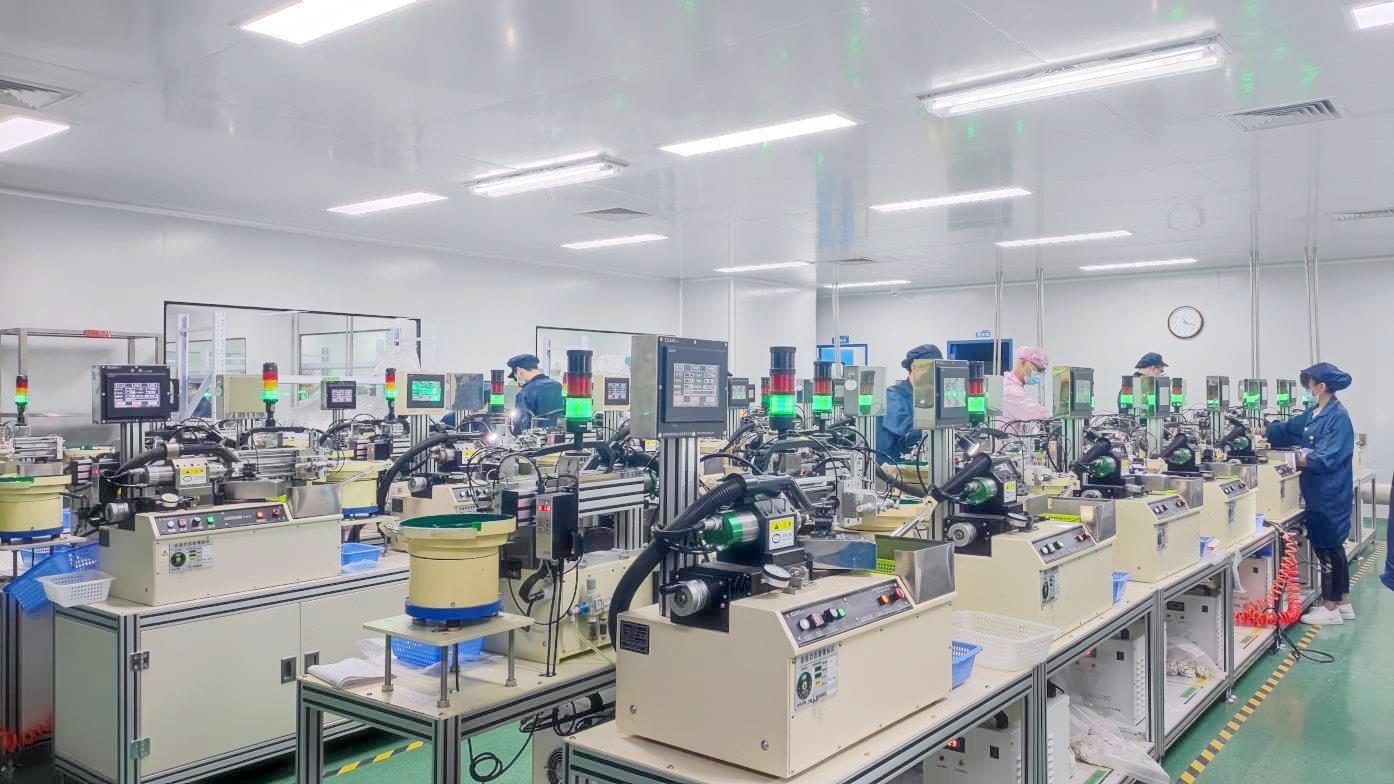
An inside look at Guangzhou Blink Lenses Trading Co., Ltd. and our state-of-the-art production infrastructure in Dongguan, China.
Guangzhou Blink Lenses Trading Co., Ltd. is an industrial-scale manufacturer specializing in the R&D and mass production of high-quality contact lenses and cosmetic colored lenses. Located in the manufacturing hub of Dongguan, China, we operate a fully integrated facility that bridges cutting-edge optical technology with robust supply chain capabilities.
We operate as a dedicated B2B partner, offering comprehensive OEM, ODM, and turnkey private-label solutions. Our processes span material compounding (Hydrogel/Polyhema), custom pattern design, and compliant blister packaging. Blink Lenses provides global distributors and vision care brands with stable supply, scalability, and safety.
A transparent look into our 16-step manufacturing workflow, showing how raw polymers are transformed into high-precision medical-grade contact lenses.
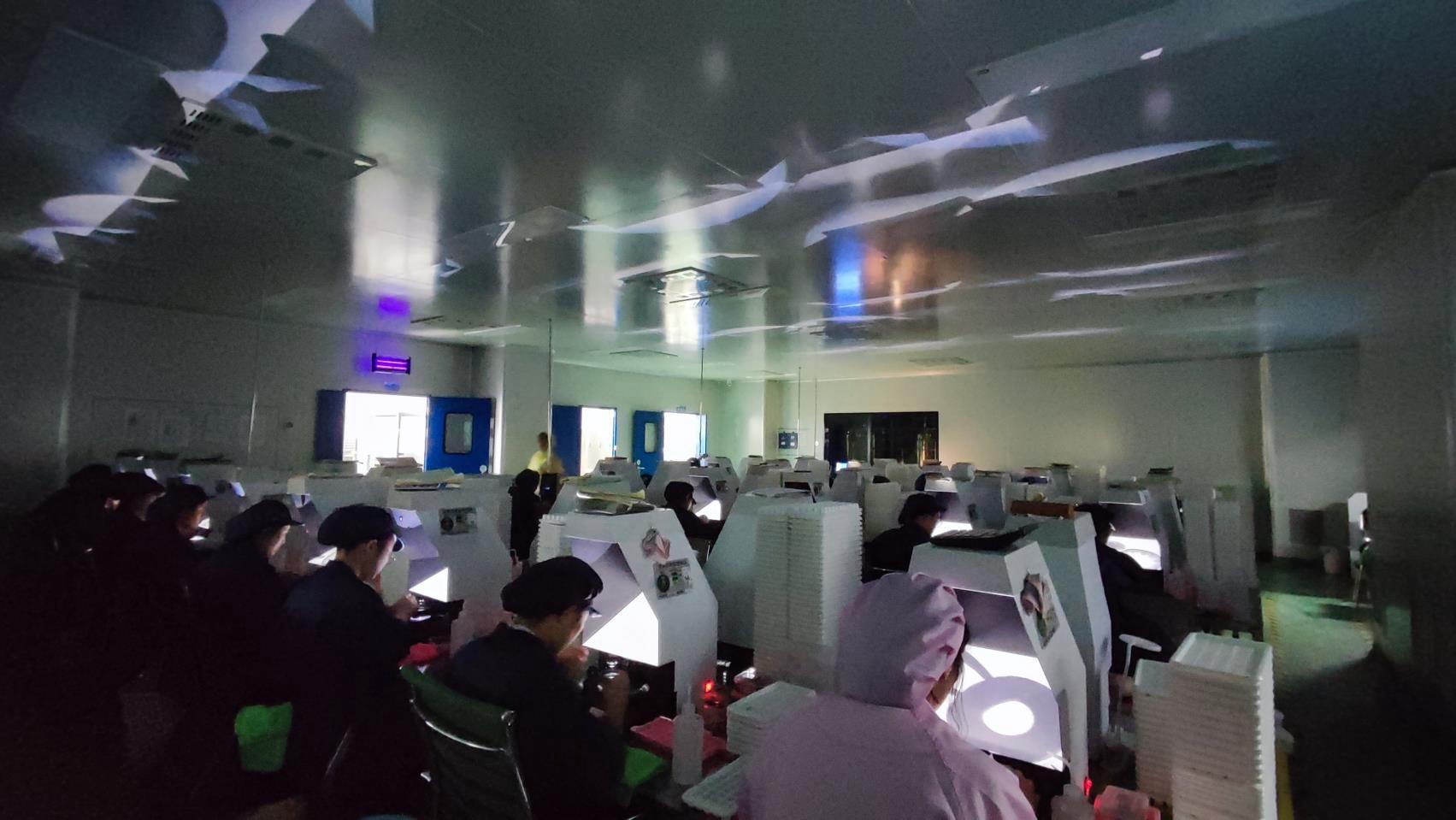
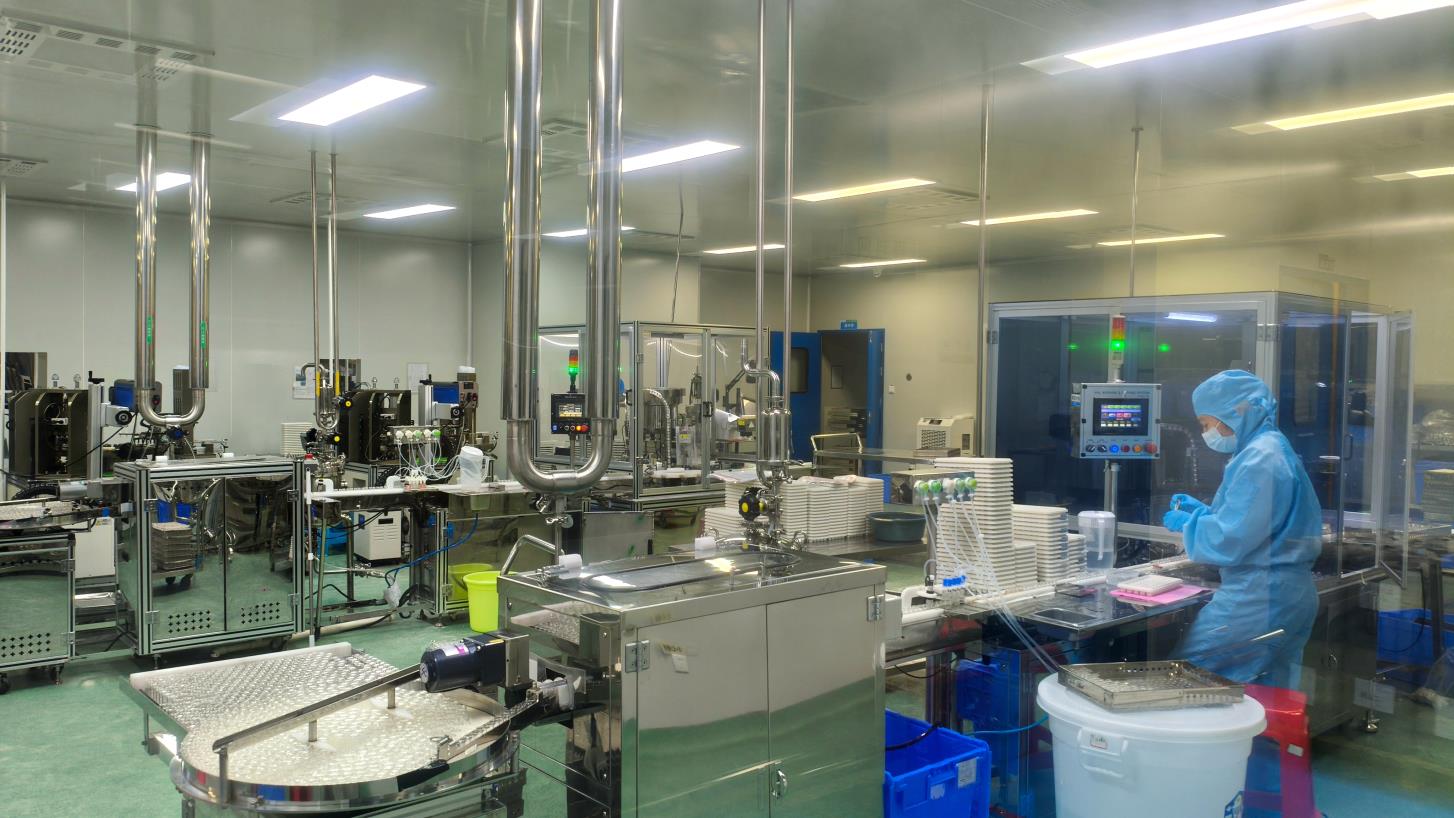
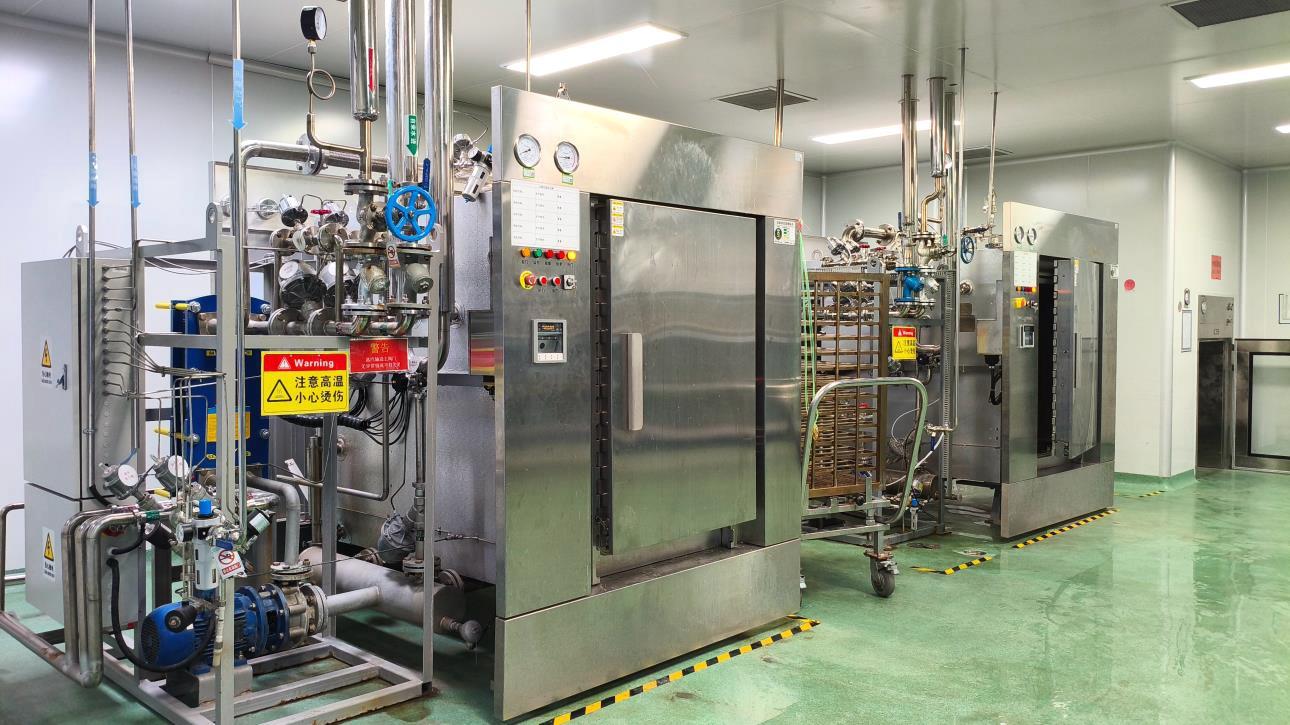
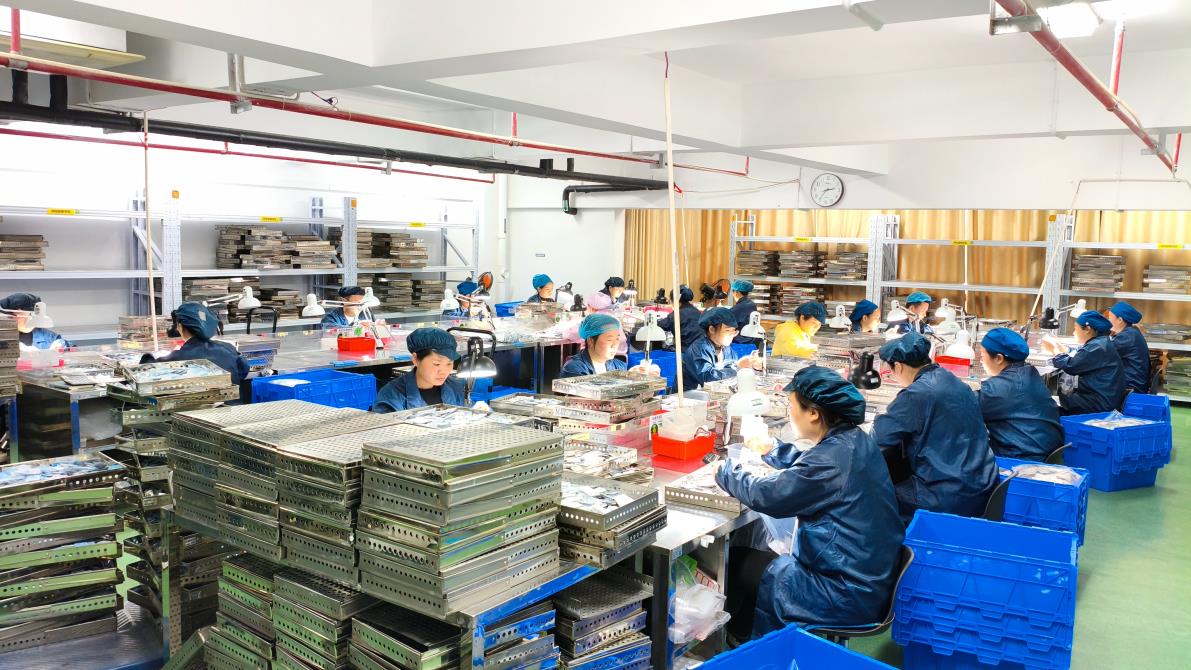
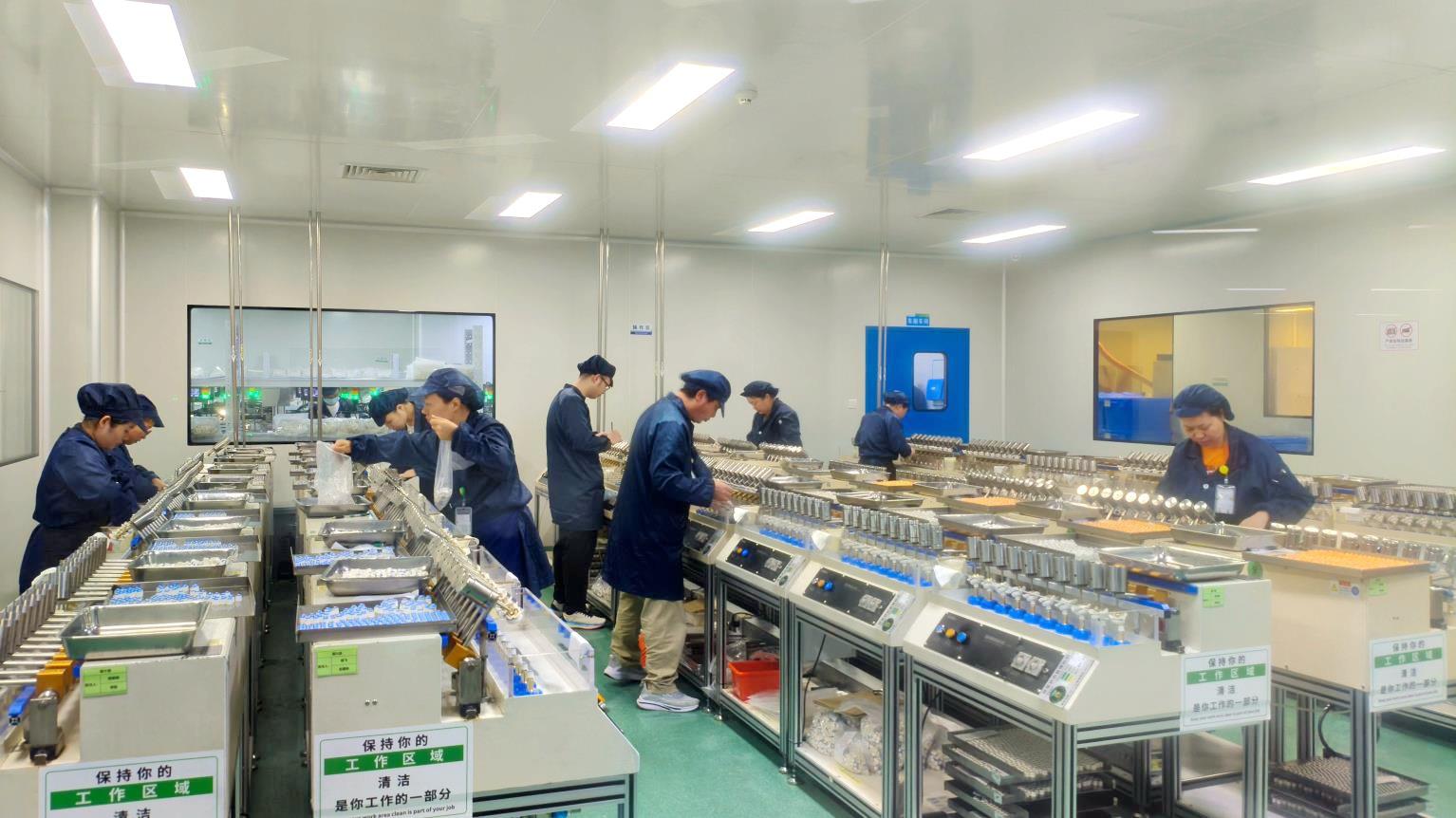
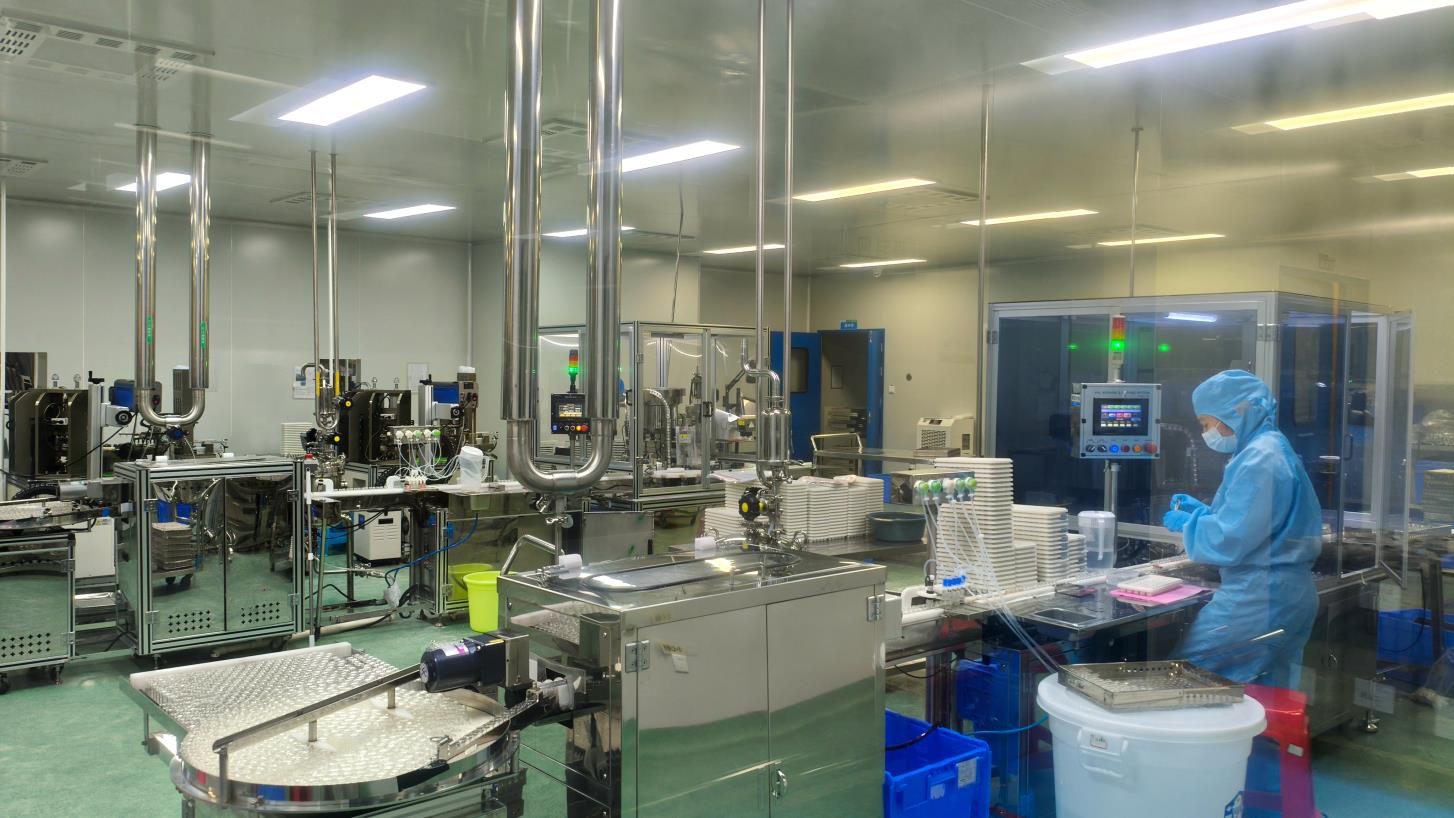
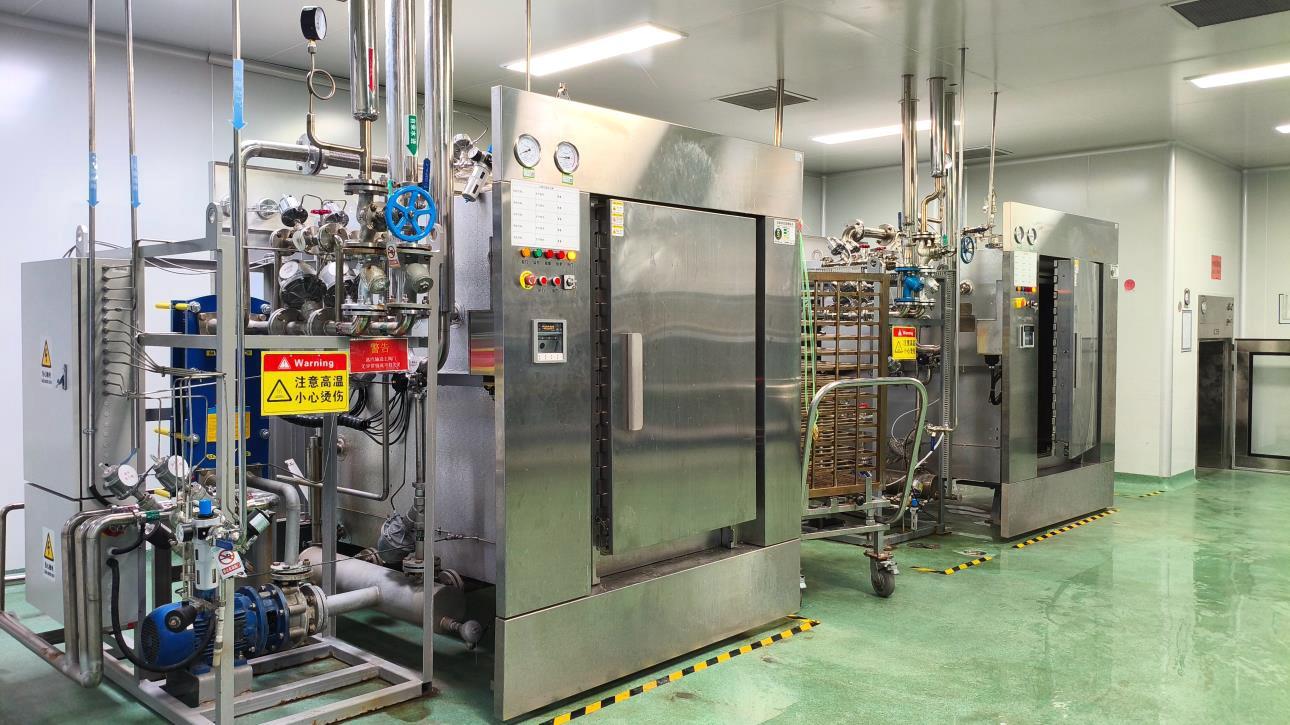
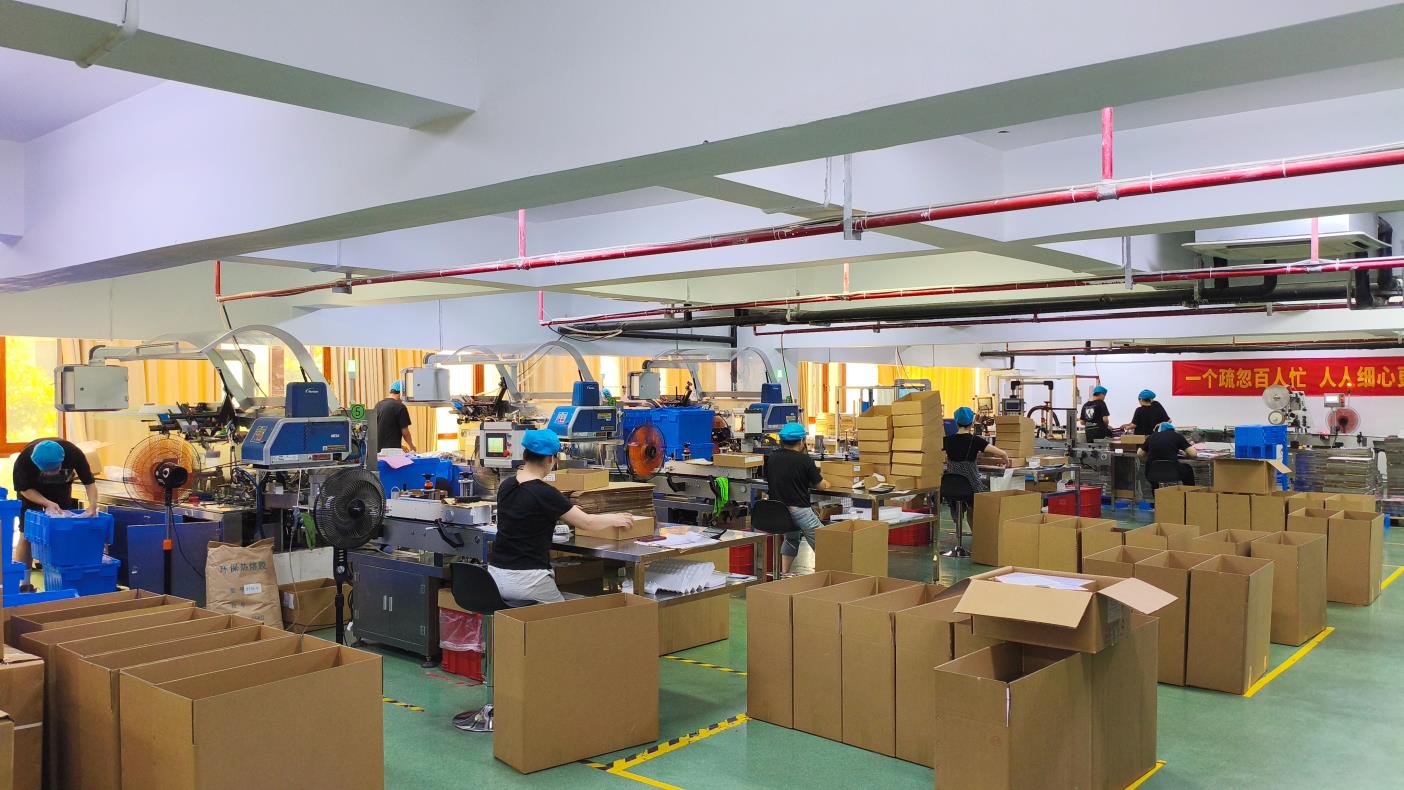
Addressing the key operational challenges and standards required by international optical brands and distributors.
B2B buyers, including retail optical groups, global cosmetic brands, and pharmaceutical distributors, require consistency and predictability. Sourcing contact lenses globally involves balancing material safety with regulatory compliance and reliable delivery timelines.
Because contact lenses are classified as medical devices, factories must hold up-to-date certifications. Guangzhou Blink Lenses meets these requirements by maintaining CE mark documentation, ISO 13485 certifications, and detailed technical files. This allows our global partners to navigate registration processes with their local health ministries smoothly.
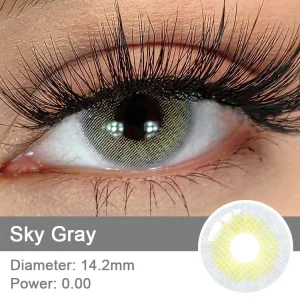
To stand out in competitive consumer markets, brands need unique optical designs. Our Dongguan facility supports customized lens parameters, including varied base curves (8.4mm to 8.7mm), diameter configurations (14.0mm to 14.5mm), and custom translucent tint densities.
Stockouts and delays can affect market share. Blink Lenses addresses this with automated cast-molding lines that deliver consistent yields and stable lead times. We offer structured production scheduling, private label integration, and tailored logistics solutions to support brands through their high-demand periods.
Adapting physical, chemical, and design specifications to align with regional safety regulations and diverse consumer preferences.
Global business requires local compliance. Different markets maintain specific parameters for medical devices and consumer products:
Blink Lenses supports our global partners with customized packaging solutions. We provide tailored carton designs, multilingual instructional guides, and compliant labeling to meet local customs and distribution regulations.
How Blink Lenses is integrating advanced material science and automated optical manufacturing technologies for the next generation of products.
Developing silicone hydrogel formulations with high oxygen transmissibility ($Dk/t > 100$) for comfortable, extended-wear cosmetic lenses.
Transitioning from pad printing to high-precision micro-injection technologies to achieve precise pigment placement within the lens matrix.
Integrating chemical filters directly into the polymer blend to provide protection against UV rays and blue light without affecting lens clarity.
Deploying AI-powered visual inspection systems to identify and filter out microscopic defects at high speeds, ensuring consistent quality control.
Common questions from distributors, procurement managers, and optical brands regarding manufacturing standards and order fulfillment.
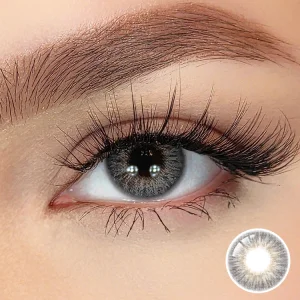
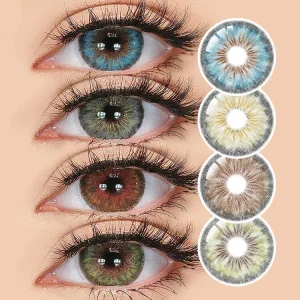
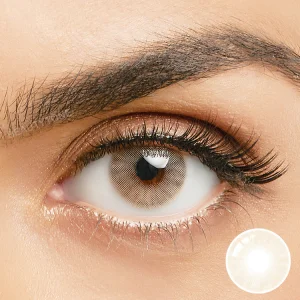
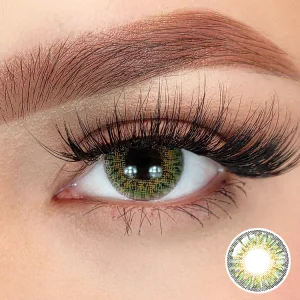
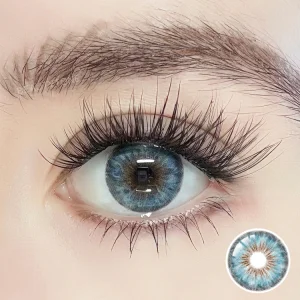
Explore our classic cosmetic color and natural blend lens options, designed for comfortable wear and high visual clarity.
 Blink Lenses