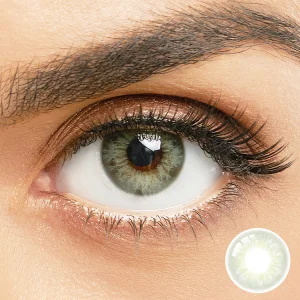
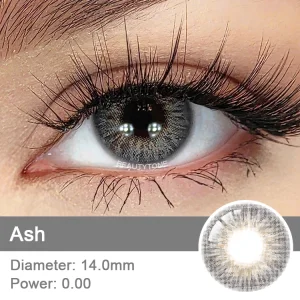
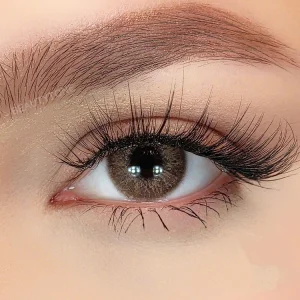
Top-performing 14.0mm contact designs selected for Canberra's distinct urban lifestyle and micro-climate demands.


Understanding the clinical, regulatory, and demographic parameters of contact lens distribution in Australia's capital.
The Australian Capital Territory (ACT), centered around Canberra, represents a highly sophisticated, high-disposable-income market for ophthalmic and cosmetic products. Unlike metropolitan regions driven solely by fast-fashion trends, Canberra’s demographic profile is heavily weighted toward university students (attending the Australian National University and University of Canberra), public sector professionals, and diplomatic personnel. This distribution pool demands contact lens products that not only fulfill cosmetic enhancements but strictly adhere to clean clinical metrics, high oxygen permeability, and verified biocompatibility.
In Australia, all corrective and cosmetic color contact lenses are categorized as Class IIb medical devices. Any product imported, distributed, or sold in Canberra must be registered with the Therapeutic Goods Administration (TGA) and listed on the Australian Register of Therapeutic Goods (ARTG). As an industrial manufacturer, our production pipelines operate in direct compliance with these standards, facilitating smooth import clearance and mitigating compliance liabilities for ACT-based optical distributors and retail franchises.
Furthermore, Canberra's inland micro-climate poses unique physiological challenges for contact lens wearers. Characterized by low relative humidity during hot summers and dry, cold winds throughout the winter months, the local climate accelerates tear-film evaporation. Standard color lenses with poor edge geometry or low-grade polymers frequently induce Dry Eye Syndrome (DES) and corneal hypoxia in local wearers. Our engineered 14.0mm range addresses these localized environmental stressors directly through advanced material formulations and precision edge configurations.
An in-depth analysis of polymer composition, pigment encapsulation, and structural design.
Cosmetic contact lenses of 14.0mm diameter represent the industry standard for natural iris enhancement. This diameter provides full coverage of the typical human iris (which ranges from 11.5mm to 12.0mm in diameter) while avoiding the unnatural, over-dilated aesthetic of larger 14.5mm or 15.0mm lenses. Achieving this balance requires meticulous material science to prevent corneal hypoxia while sustaining vibrant, multi-tone color reproduction.
Our lenses utilize a customized copolymerization of Poly-2-hydroxyethyl methacrylate (PolyHEMA) and N-Vinylpyrrolidone (NVP). NVP acts as a hydrophilic agent that binds water molecules within the lens matrix, maintaining a stable 38% to 42% water content. This prevents the lens from drawing moisture from the wearer's natural tear film, a crucial factor in Canberra's dry climate.
To eliminate pigment-related corneal abrasions, we implement the "Sandwich" encapsulation method. The colored inks are completely locked within the middle layer of the lens polymer. No dyes touch the cornea or the palpebral conjunctiva, maintaining a smooth, non-ionic surface that resists protein deposition.
Each lens is engineered with a multi-curve back surface and a thin, rounded edge profile. This design optimizes the movement of the lens with every blink, encouraging tear exchange beneath the lens and reducing the risk of Giant Papillary Conjunctivitis (GPC) and limbal redness.
In standard optometric practice, a 14.0mm lens diameter paired with an 8.6mm base curve represents the optimal geometric configuration for the vast majority of corneal shapes. This configuration minimizes lens decentration—where the lens shifts away from the pupil—ensuring that the cosmetic color layer aligns perfectly with the natural iris pattern, providing crystal-clear central vision without peripheral visual occlusion.
Guangzhou Blink Lenses Trading Co., Ltd. / Dongguan Factory Infrastructure
Guangzhou Blink Lenses Trading Co., Ltd. is an industrial-scale manufacturer specializing in the R&D and mass production of high-quality contact lenses and cosmetic colored lenses. Located in the manufacturing hub of Dongguan, China, we operate a fully integrated facility that bridges cutting-edge optical technology with robust supply chain capabilities.
As a dedicated B2B partner, we specialize in OEM, ODM, and turnkey private-label solutions. From material compounding (Hydrogel/Polyhema) to bespoke pattern design and compliant blister packaging, Chic Contacts provides global distributors and vision care brands with unparalleled stability, scale, and safety.
An overview of our precision optical manufacturing stages, from initial monomer dispensing to terminal sterilization.
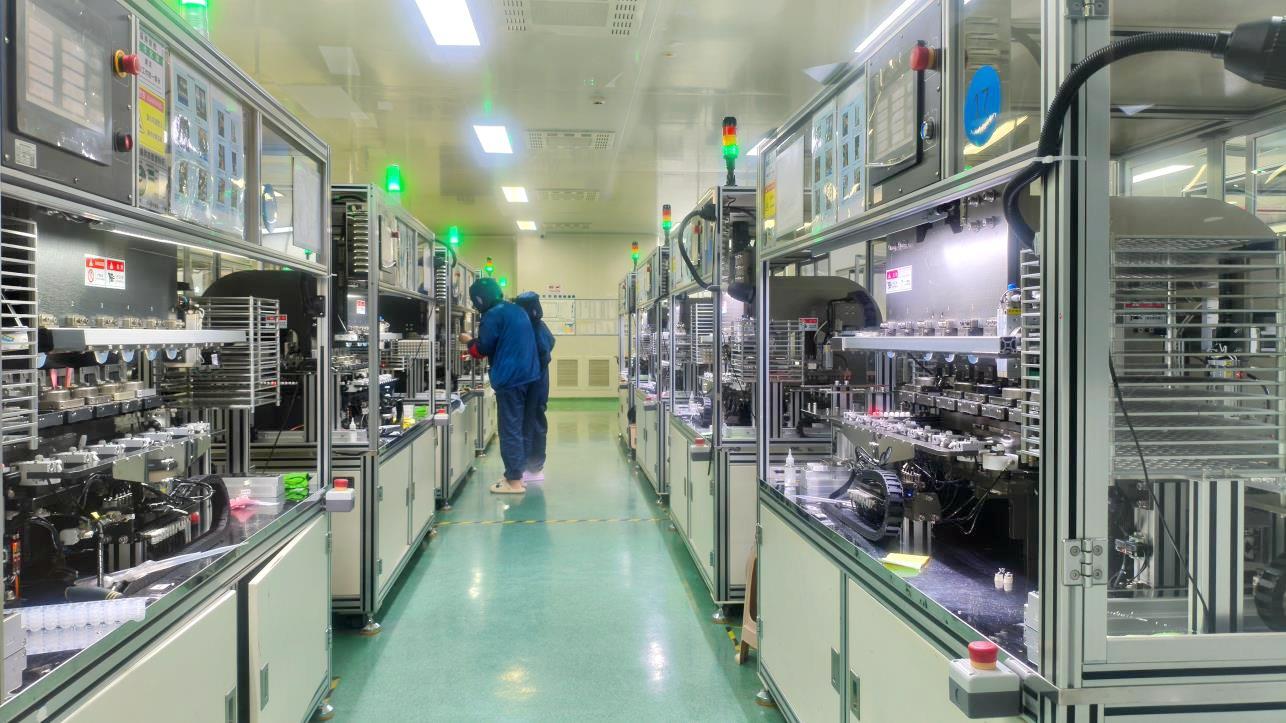
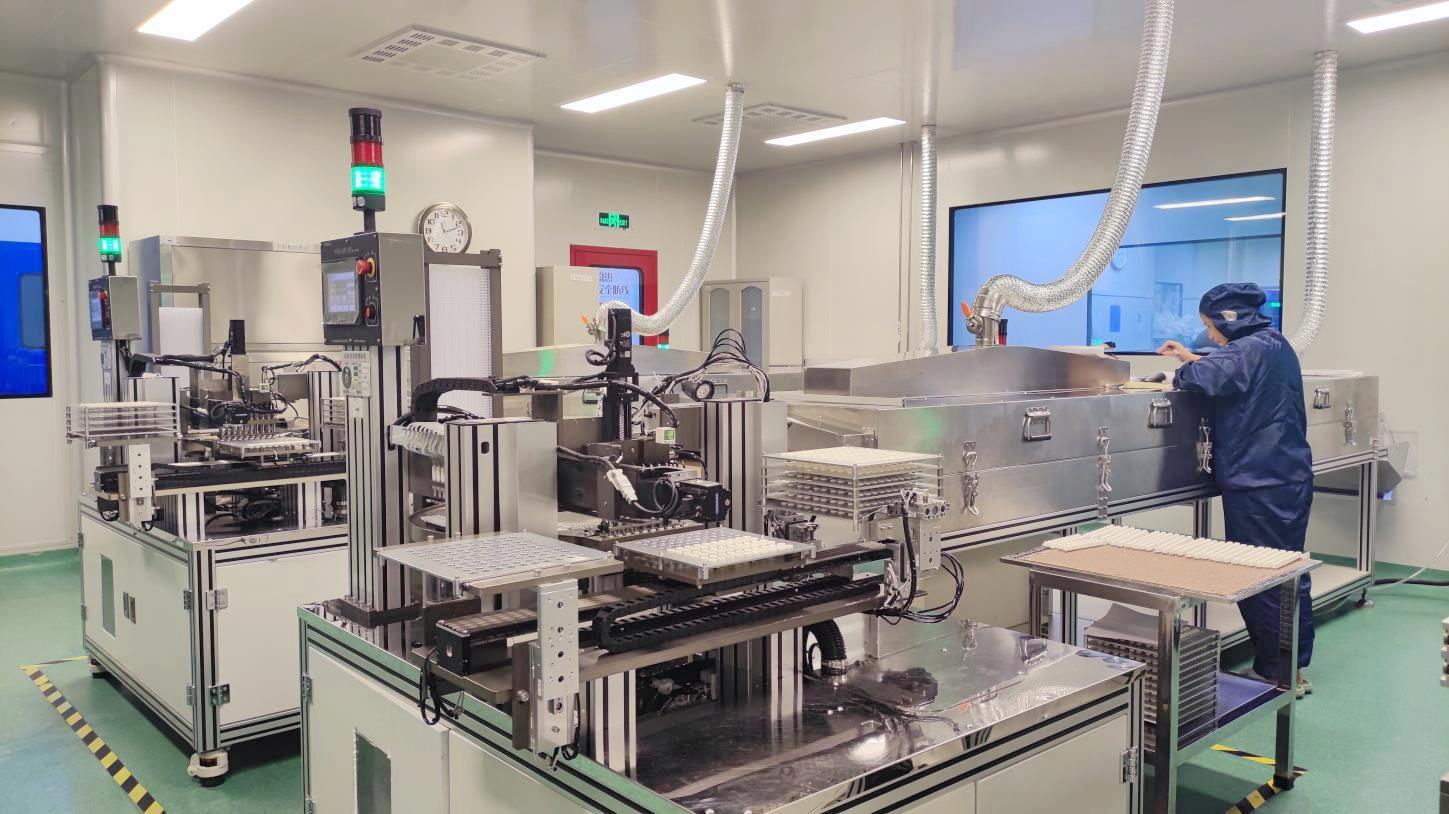
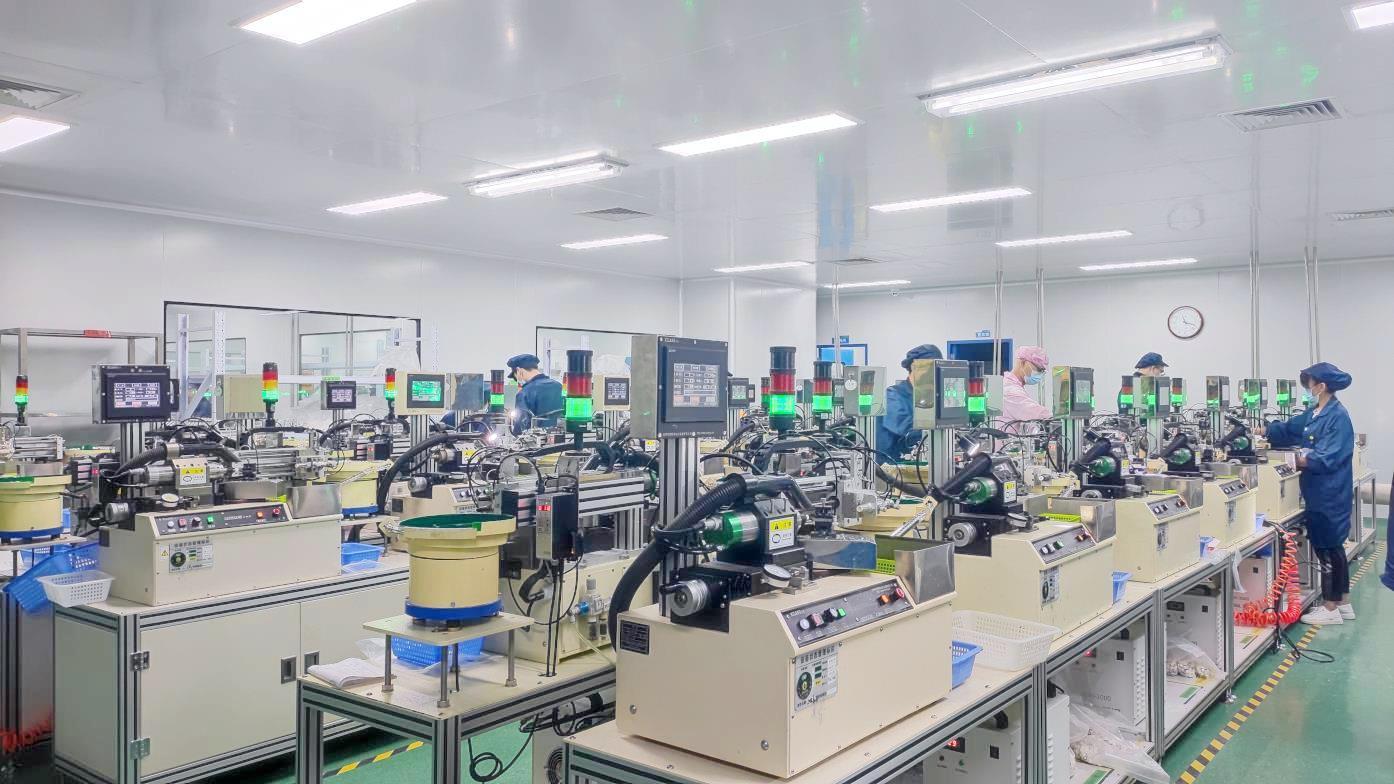
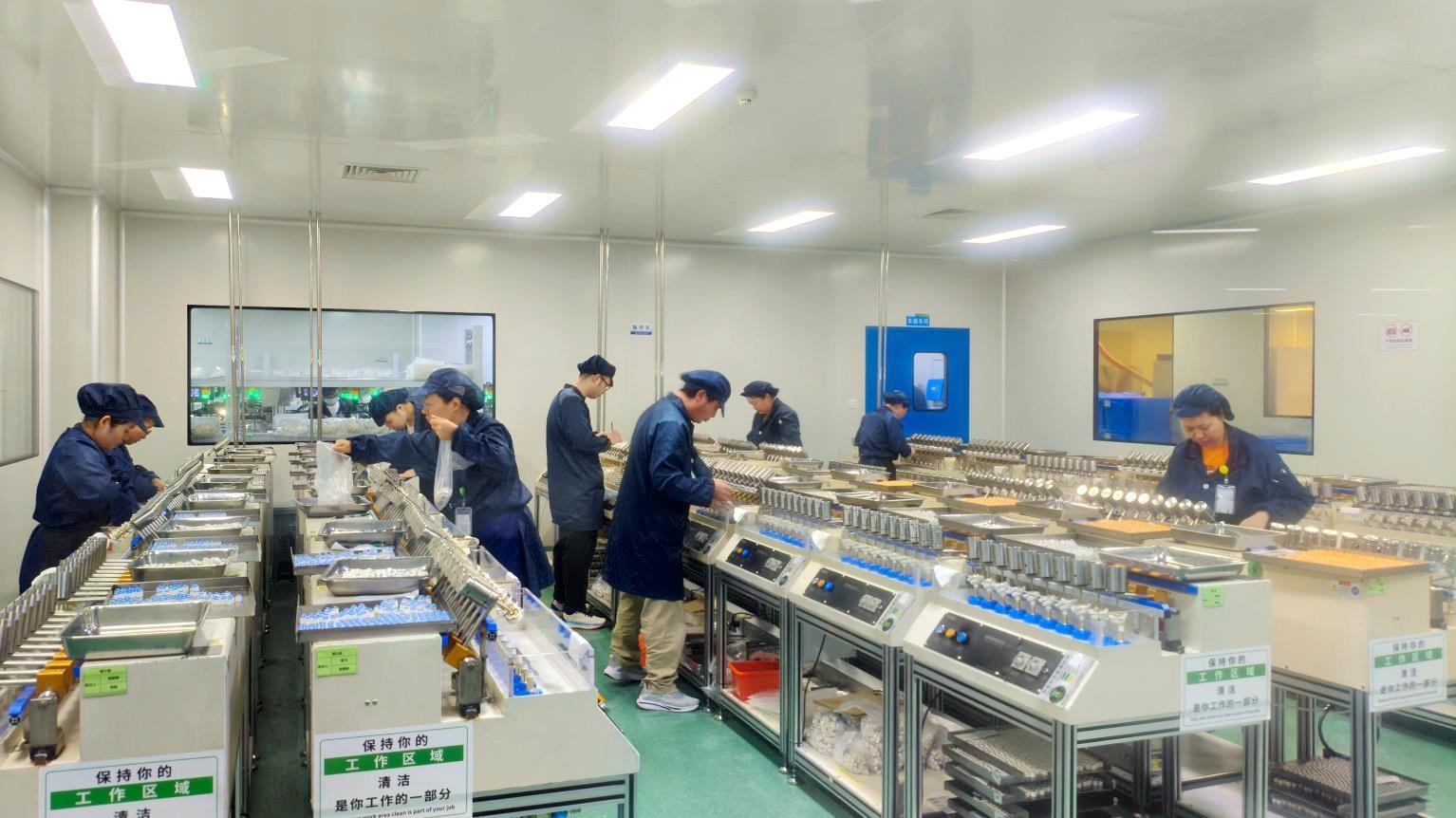
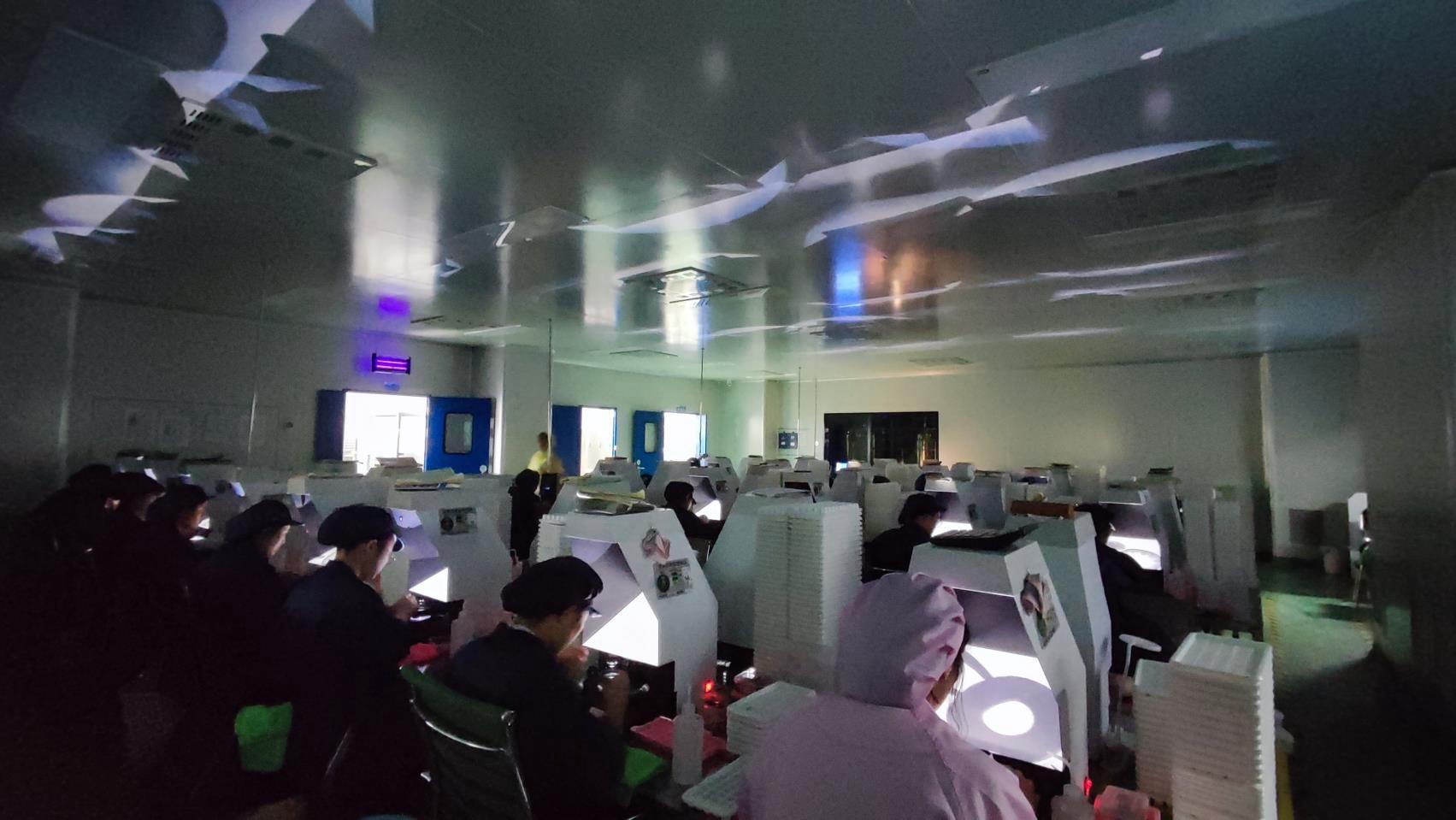
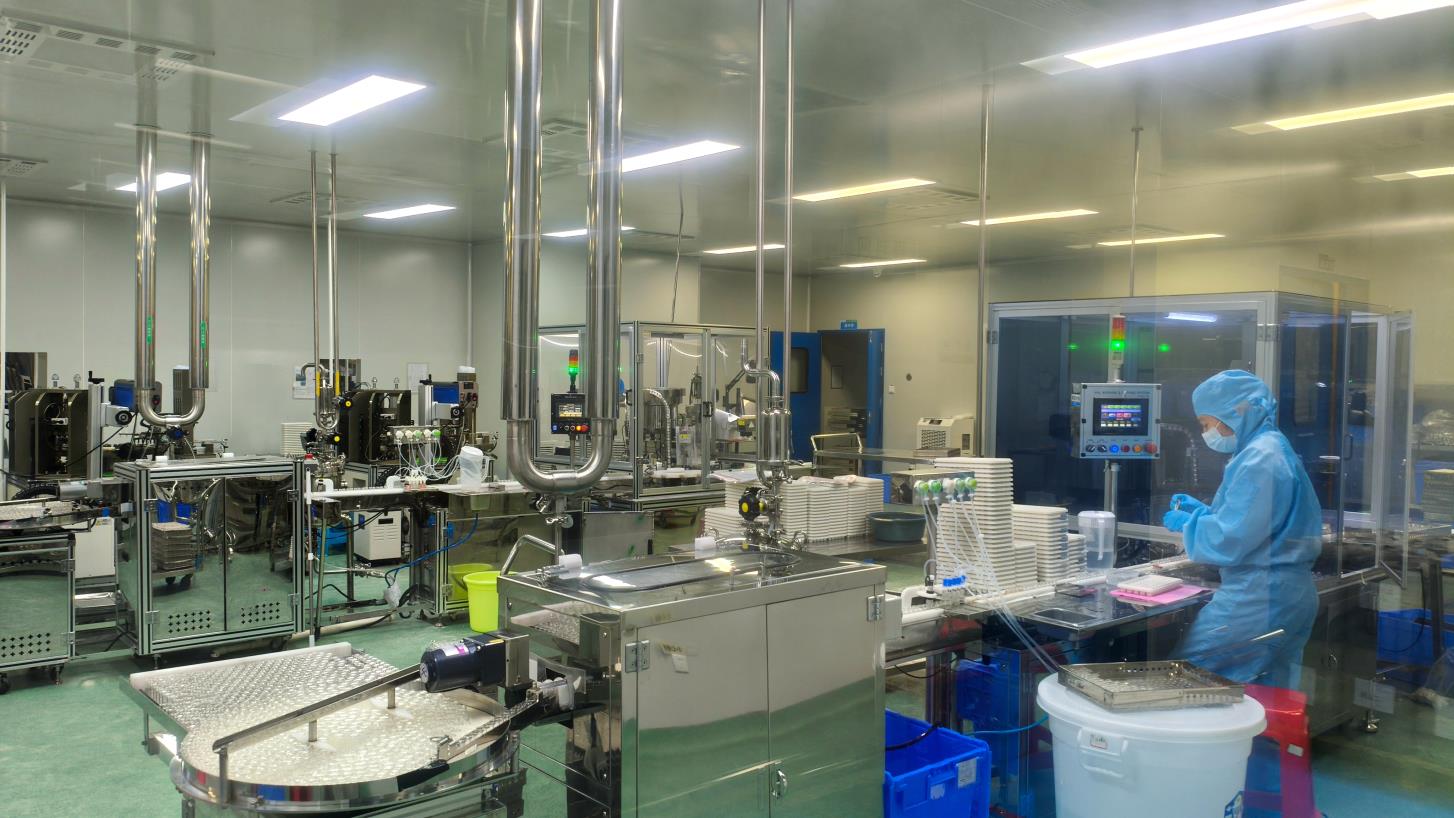
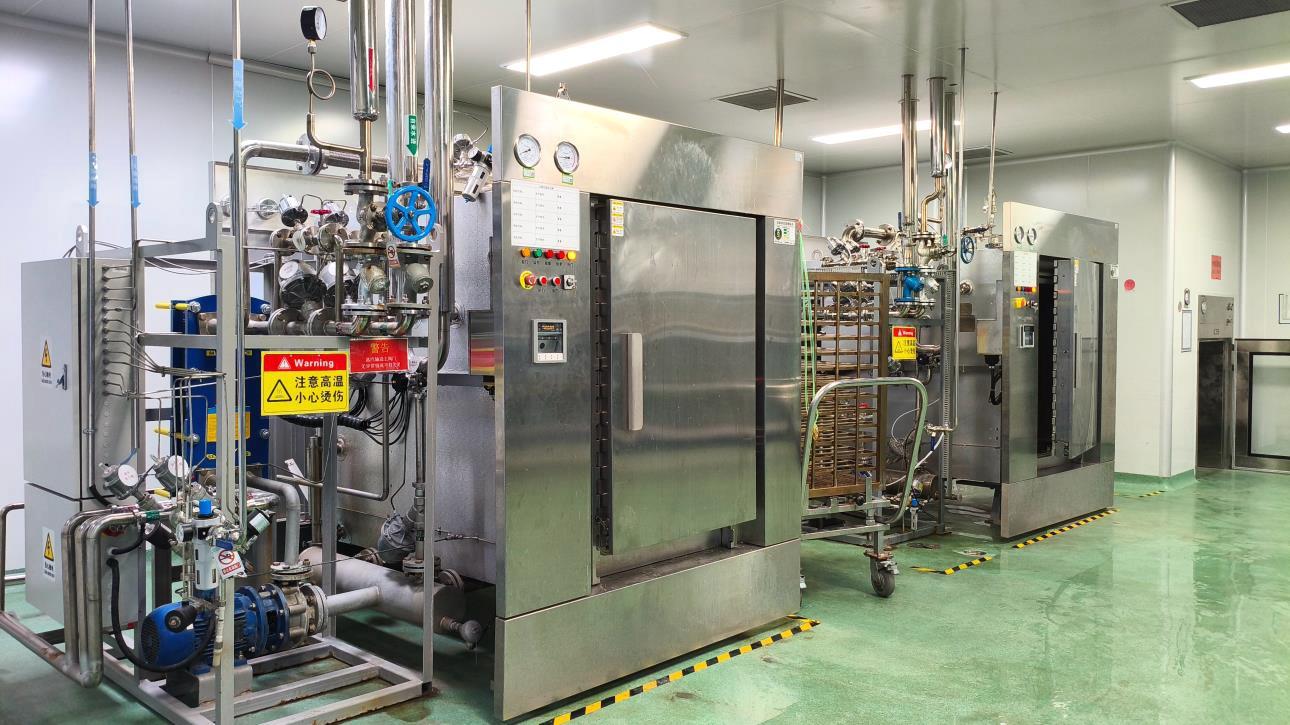
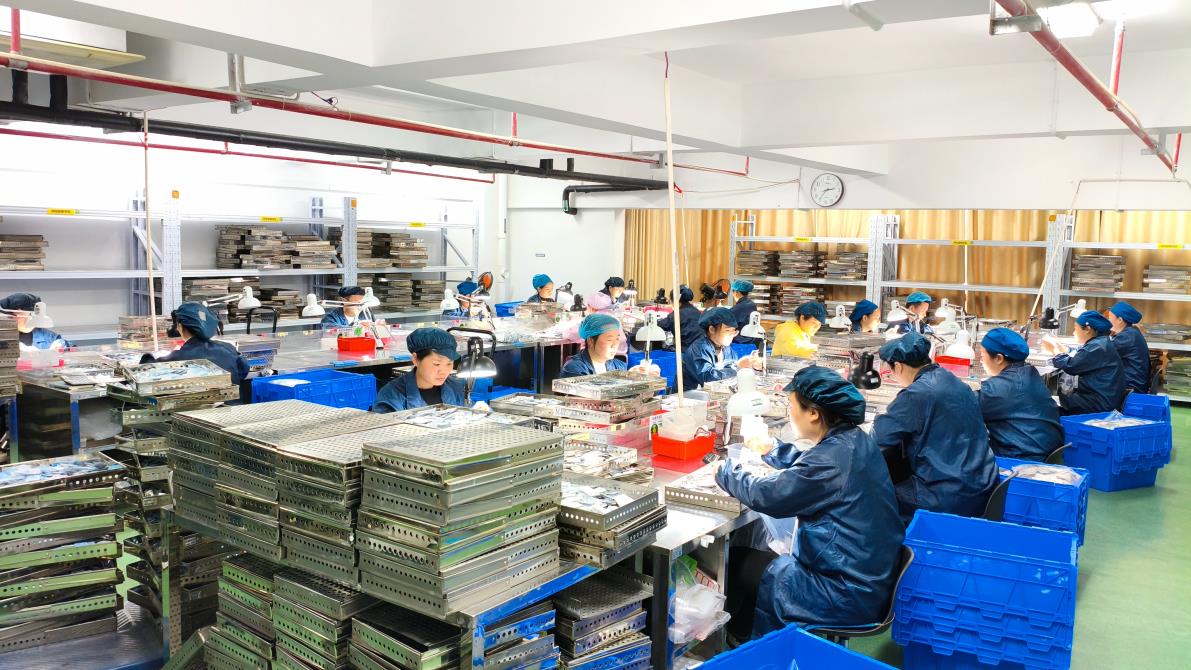
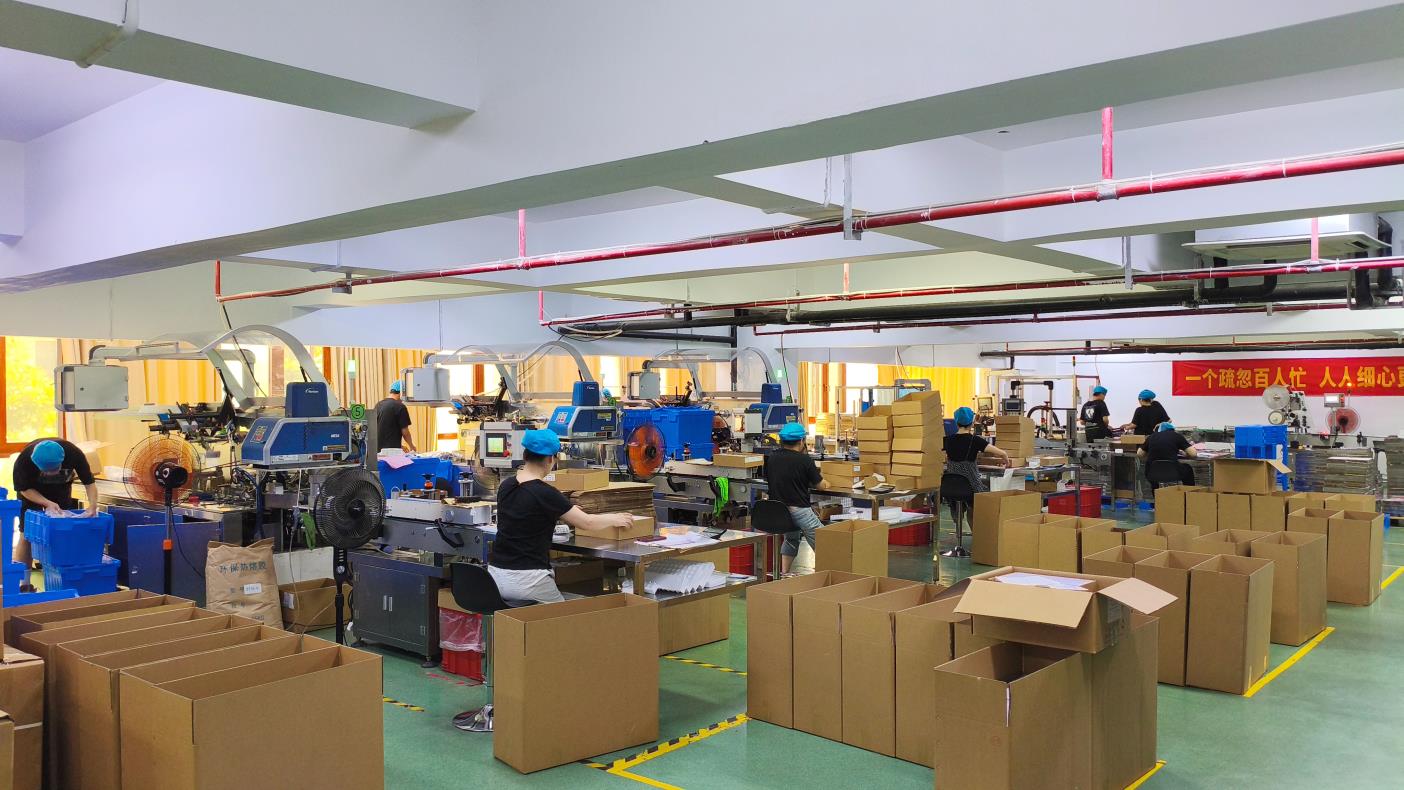
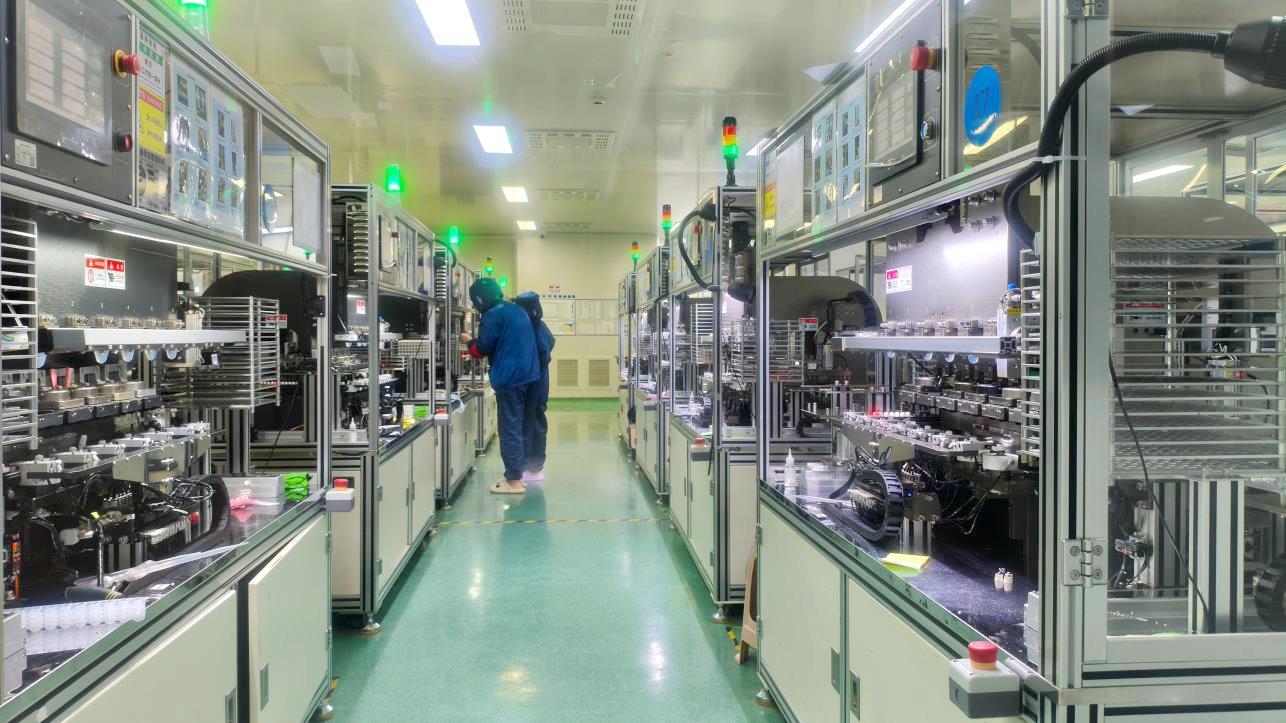
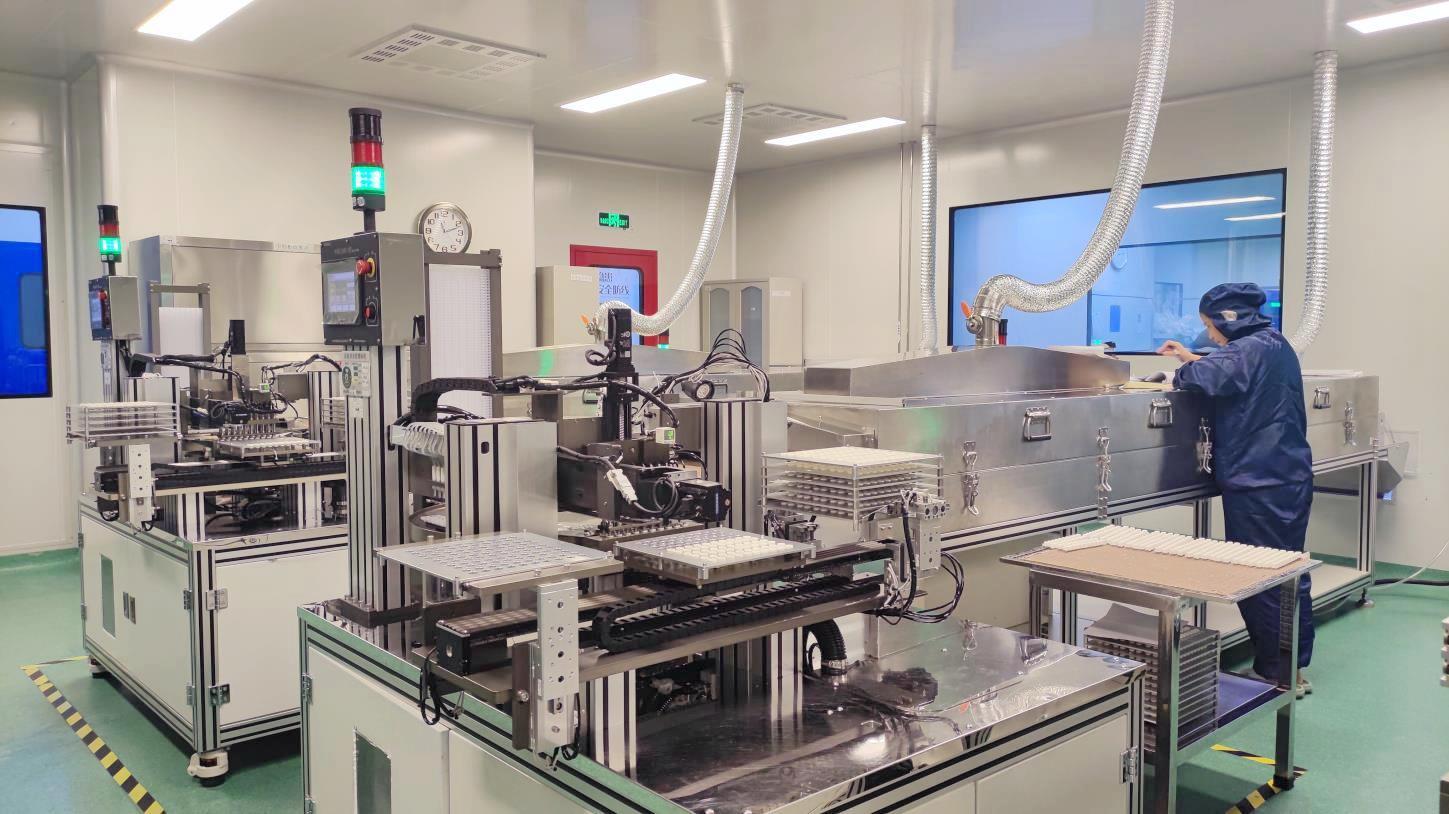
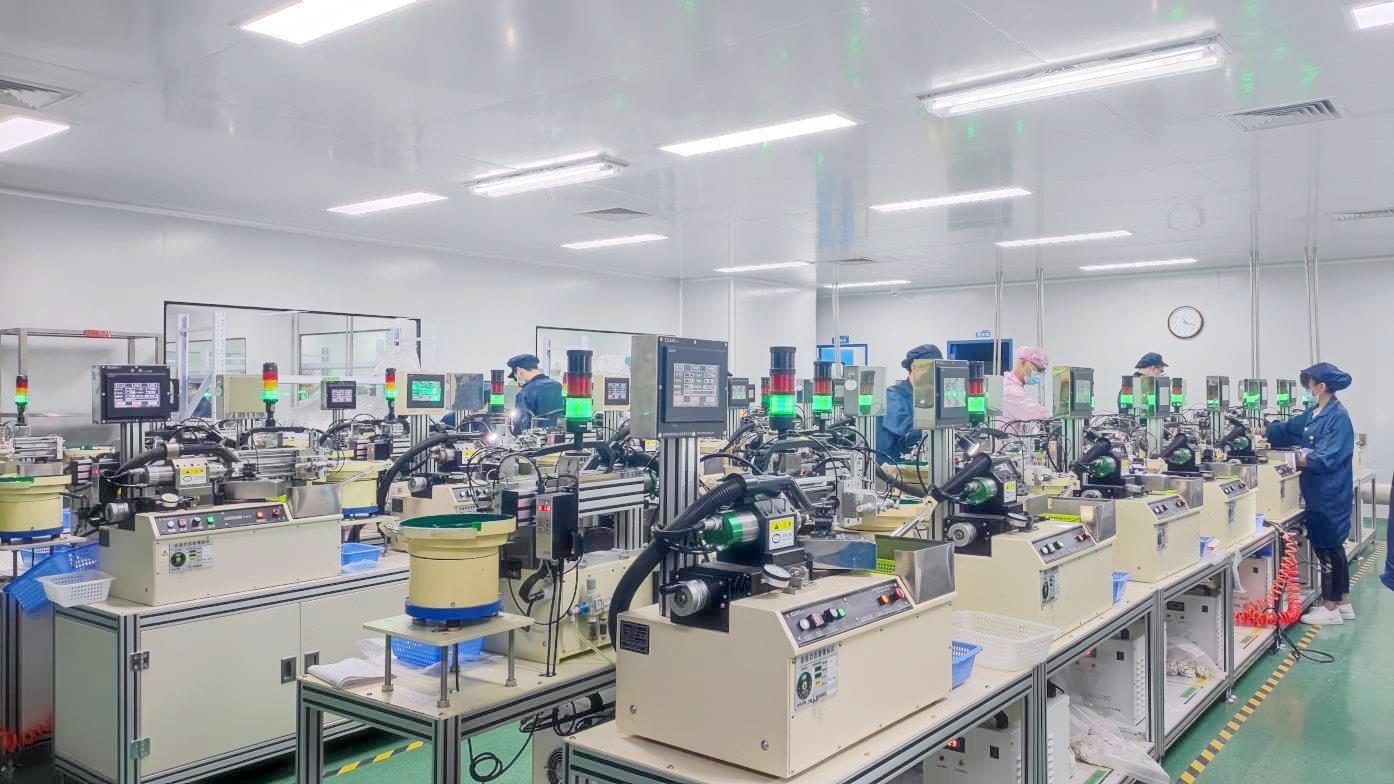
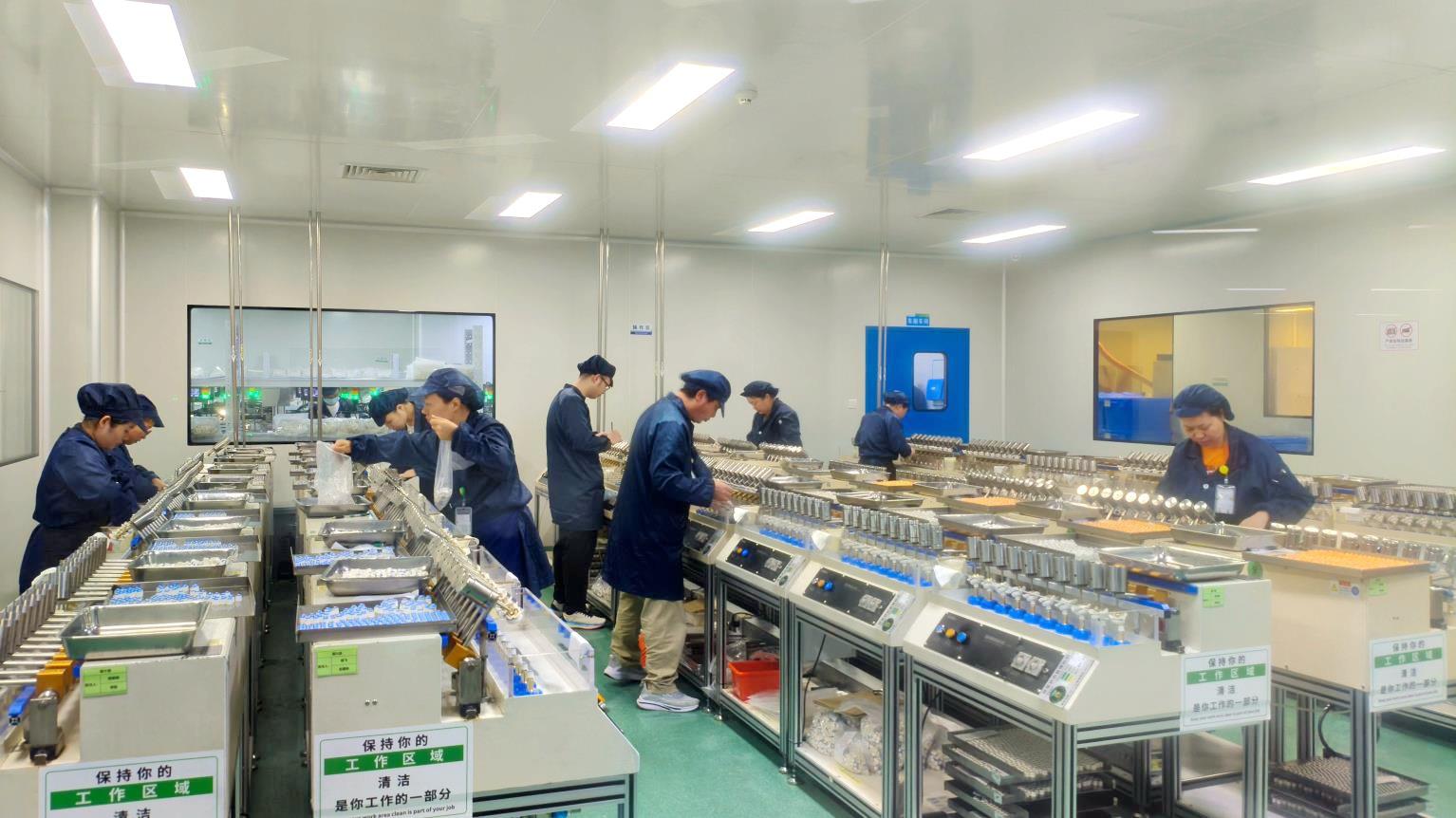
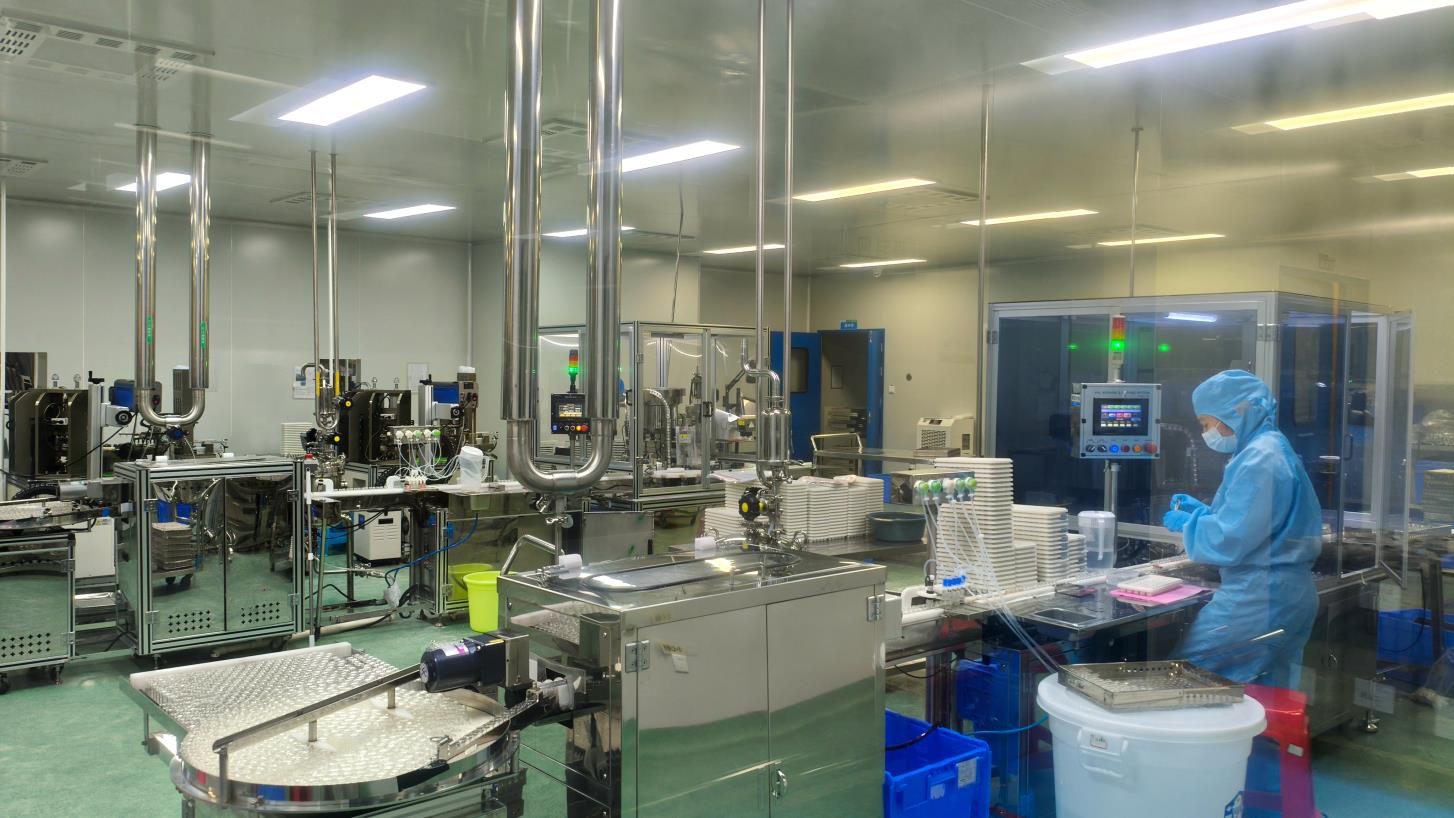
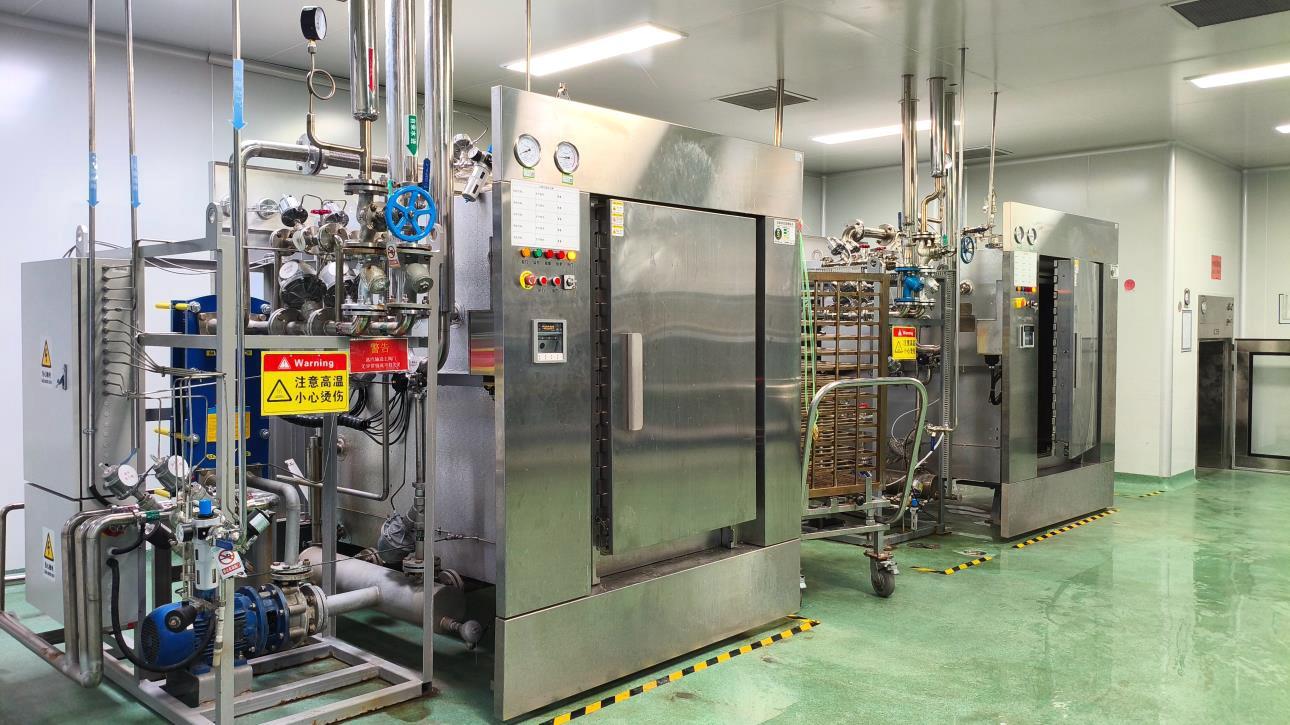
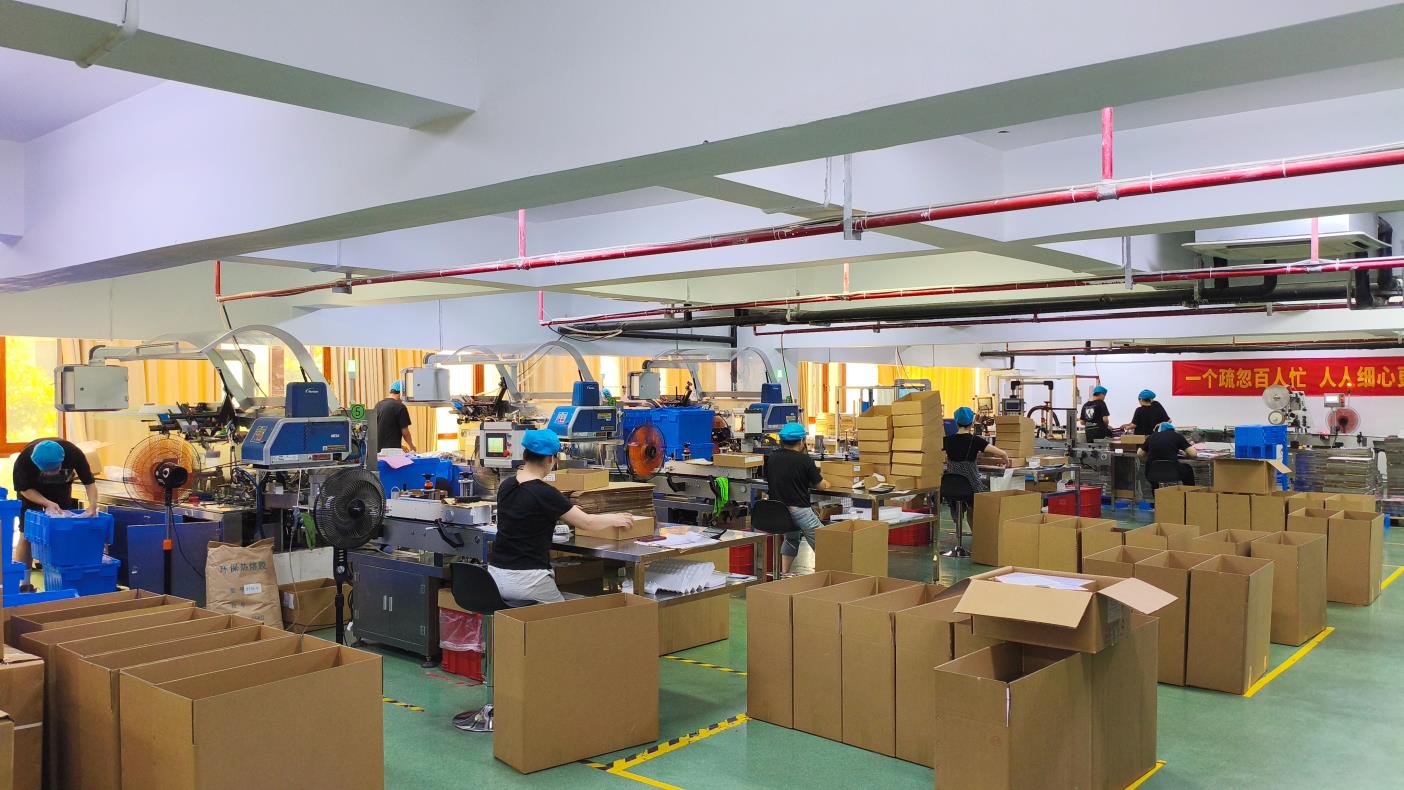
Seamless integration of factory direct exports to Australia's capital.
Operating as a global OEM/ODM manufacturer means establishing pathways that bridge technical development with complex regulatory borders. For our Australian clients, this means matching our high-speed cast molding systems with TGA-compliant validation protocols. The transport of Class IIb ophthalmic products from Southern China to Australia must follow temperature-controlled logistics parameters to protect chemical consistency and prevent physical warping inside sterile saline blister packs.
We work closely with Australian brands to design and compile local outer packaging layouts that display critical wear specifications (Base Curve, Diameter, Batch Numbers, Sterile Indicators, and expiry metrics) exactly as required by local ACT health regulations. Our turnkey design assistance minimizes delays during custom declarations at Australian ports of entry.
Our logistical pipeline to Canberra features direct air freight connections through major Australian cargo hubs (Sydney Kingsford Smith Airport to Canberra Airport). This structure ensures that from the completion of steam sterilization processes (121°C for 20 minutes) and automatic visual quality inspection, lenses arrive at Canberra distribution points within 5 to 7 business days, keeping your inventory carrying costs low and maximizing stock turnover efficiency.
Premium aesthetic designs tailored for multi-tone natural transitions.
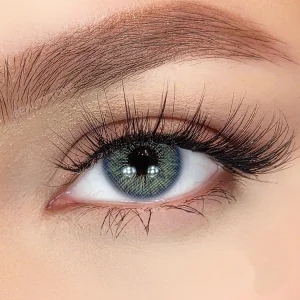
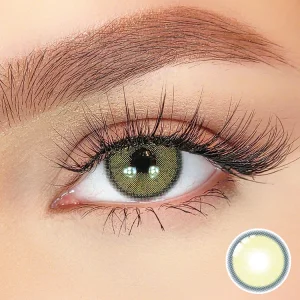
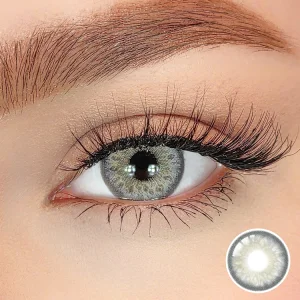
How our 14.0mm structural builds adapt to ACT consumer segments.
Consumer behavior in Canberra demands styling that balances understated corporate expectations with vibrant weekend aesthetics. Recognizing these lifestyle shifts is key to positioning contact lens inventories for retail growth:
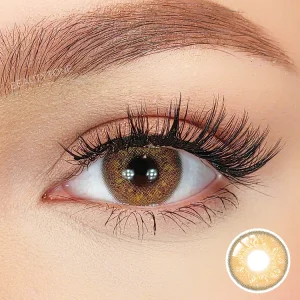
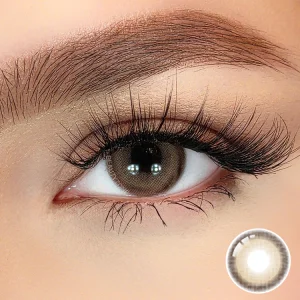
Government office environments across Civic and Parliamentary zones feature intensive HVAC air control systems that dry out standard contact lenses. Our 14.0mm natural-look line (such as the Canberra Mira Gray and Mist Brown series) provides soft, subtle adjustments to natural eye color while using low-hydration HEMA polymers that resist office-environment dehydration, supporting 10 to 12 hours of comfortable wear.
Canberra's high altitude (~580m above sea level) results in a high UV index. Our manufacturing process integrates UV-blocking monomers within the polymer blend to protect the cornea from harmful UV-A and UV-B exposure during outdoor activities like hiking Mount Ainslie or rowing on Lake Burley Griffin.
Additionally, for theatrical markets, cosplayers, and events in the ACT creative sectors, our design lab provides custom-printed patterns with high opacity. These designs cover dark eyes completely (e.g., the *Rinnegan* or custom *Angela Ash* ranges) without causing pupil line obstructions, ensuring clear field of vision during performance use.
Innovating material performance and sustainable manufacturing paradigms.
Our global optical R&D facility continues to develop new materials, aiming to transition the cosmetic contact lens market to next-generation bio-compatible materials over the coming years.
We are optimizing silicone hydrogel formulations for colored contact lenses. While traditional cosmetic lenses have struggled with the hydrophobic nature of silicone (which can cause pigment adhesion issues), our research team is developing surface-treatment methods to print directly onto silicone polymers, boosting oxygen transmission (Dk/t) to over 100.
Using biomimetic materials that replicate the natural lipid layer of the human tear film, our future lenses will feature bound water systems that actively resist dehydration, preventing lens shrinkage even in low humidity environments.
Our production line is upgrading to Automated Optical Inspection (AOI) driven by deep learning models. These systems inspect printed patterns for sub-micron paint splatters or misalignments, ensuring that every batch shipped globally meets strict defect-free standards.
Technical and logistical insights for wholesale distributors in Canberra.
Exquisite design catalogs matching high-precision manufacturing with rich color tones.
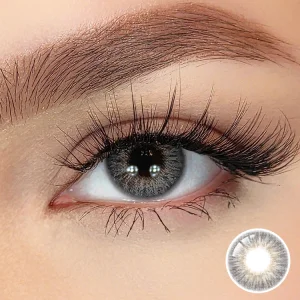

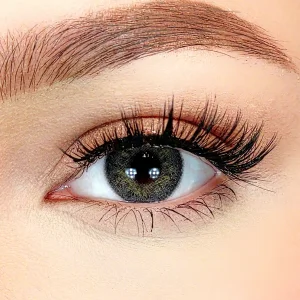

 Blink Lenses