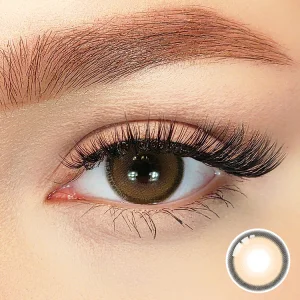
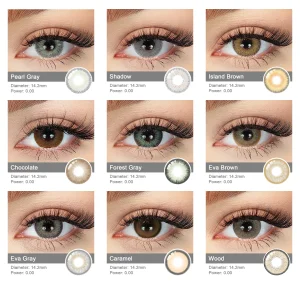
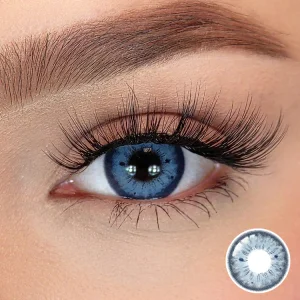
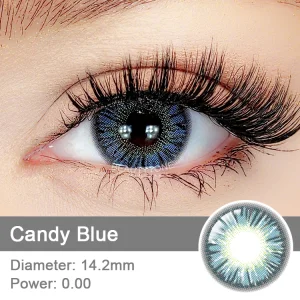
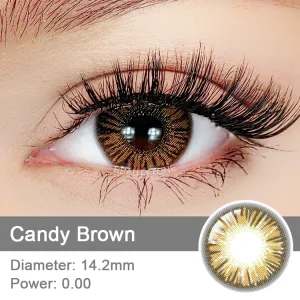
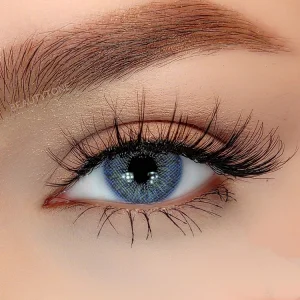
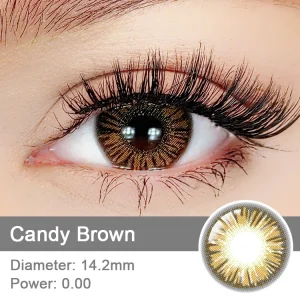
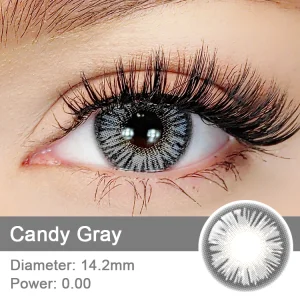
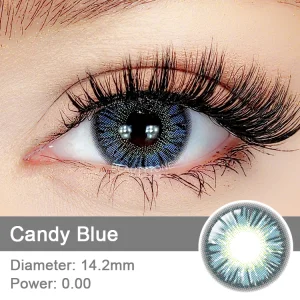
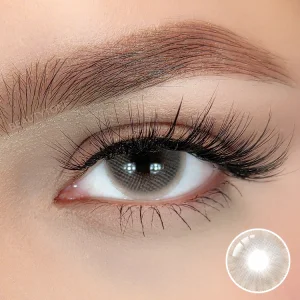
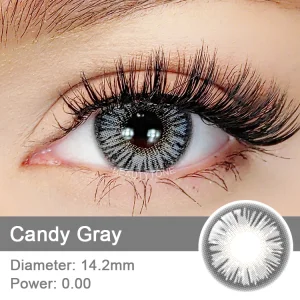
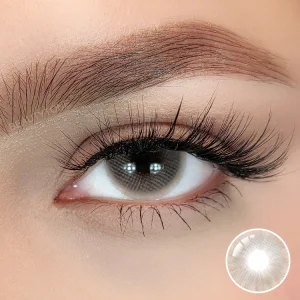
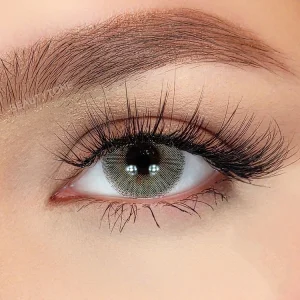
14.2mm Color Contact Lenses Manufacturer & Suppliers for Malakal

Precision-Engineered Ophthalmic Polymers & Custom Hydrogel Formulations for East African Optometry Markets

Clinical & Industrial Standards of 14.2mm Contact Lenses

The global contact lens industry is experiencing a profound paradigm shift towards structural and mechanical optimization. Among the various geometrical configurations, the 14.2mm outer diameter (OD) has emerged as the definitive standard for universal cosmetic and refractive fits. This specific dimension provides the optimal coverage required for the human corneal limbus, which averages 11.5mm to 12.0mm, ensuring adequate peripheral coverage without impeding tear dynamics or causing limbal compression.

For distributors, wholesalers, and retail clinics in emerging East African markets like Malakal, South Sudan, understanding the mechanical engineering of contact lenses is vital. The interaction between material chemistry, such as Polyhydroxyethylmethacrylate (PolyHEMA) or silicone hydrogel, and extreme local environmental conditions requires products designed with precise sag heights, water concentration limits, and edge designs to maintain high safety indexes.

  • Optimized Limbal Coverage: 14.2mm provides adequate coverage, masking natural iris variations while maintaining natural tear exchange rates.
  • Oxygen Permeability (Dk/t): Essential for preventing corneal hypoxia, especially in high-temperature equatorial climates.
  • Sandwich Color Embedding: Pigments are locked safely inside polymer layers, preventing direct corneal contact and ensuring zero pigment migration.

OEM Technical Specification Matrix

Nominal Diameter 14.20 mm ± 0.05 mm
Base Curve (BC) 8.50 mm / 8.60 mm (Dual standard)
Material Composition Hydrogel (HEMA / Polymacon / HEMA+NVP)
Water Content 38% - 42% (Low hydration stability)
Center Thickness (CT) 0.08 mm ± 0.01 mm (@ -3.00 D)
Oxygen Permeability (Dk) 9.5 to 11.0 Dk (Highly breathable)
Manufacturing Process Automated Cast-Molding / Lathe-Cutting

Local Trade Analysis: Color Contact Lens Logistics for Malakal

Malakal, as the capital of the Upper Nile State in South Sudan, operates as an essential trade hub connected via river pathways, regional airstrips, and secondary highways. Despite logistical bottlenecks, the demand for cosmetics, personal aesthetics, and premium optical products has grown rapidly. Optometry centers, high-end beauty boutiques, and pharmaceutical distributors require reliable wholesale suppliers who can navigate regional challenges.

Environmental Considerations for Lens Preservation

Malakal has a tropical wet and dry climate with high temperatures year-round. This climate presents specific challenges for contact lens preservation and wearing comfort:

  1. High Ambient Dust & Particle Levels: Strong seasonal dry winds carrying fine dust can coat the surface of high-water-content soft lenses, leading to protein accumulation and potential bacterial conjunctivitis. Lenses with a smooth, non-ionic surface charge and low water content (38%) are recommended as they resist protein deposition and do not dry out quickly in low-humidity environments.
  2. Thermal Storage Stability: Unopened blister packs must survive transport phases where temperatures exceed 40°C. Guangzhou Blink Lenses uses medical-grade PP blister packaging sealed with heavy-duty platinum-cured aluminum foil, ensuring sterile integrity and zero saline evaporation under prolonged ambient heat.
  3. Import Route Engineering: Shipments destined for Malakal typically enter East Africa via the Port of Mombasa (Kenya) or Port Sudan, followed by air freight directly to Malakal Airport (HSMK) or road transit via Juba. We cooperate with leading regional freight forwarders to provide temperature-controlled packaging solutions, minimizing thermal shock during shipping.
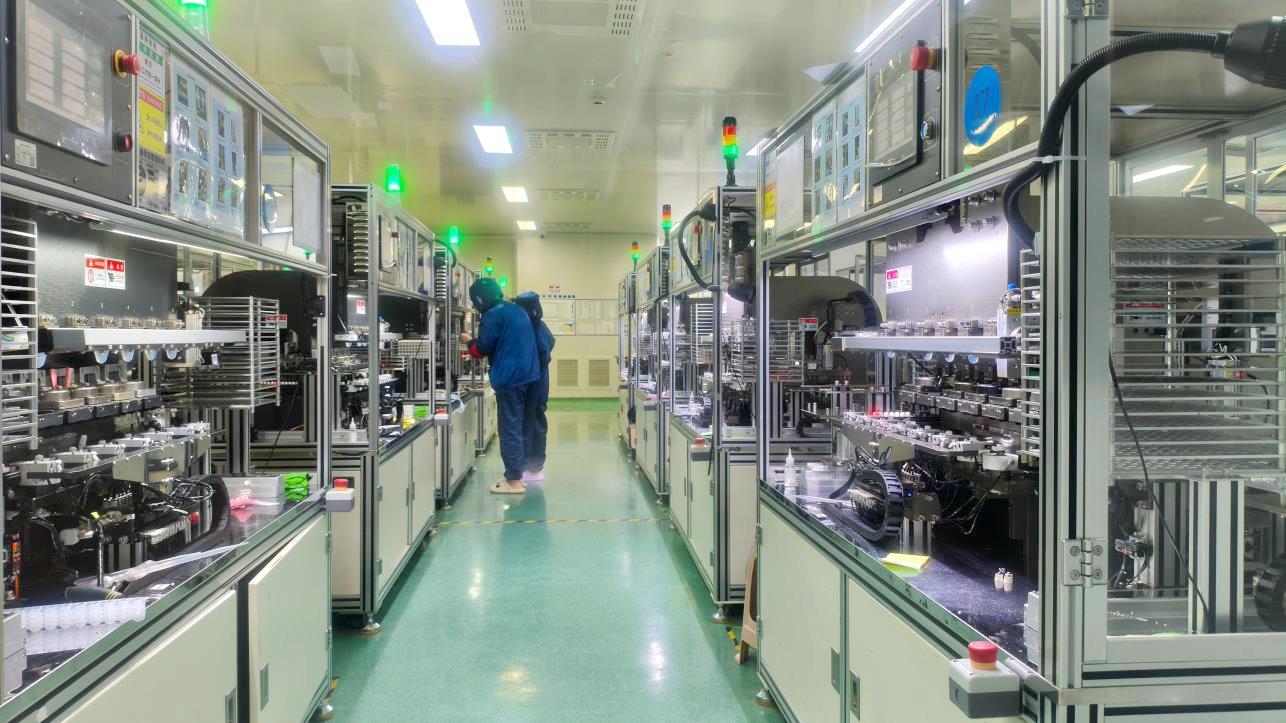
100k Class
ISO Cleanroom Manufacturing
100%
Geometric Tolerance Inspection
CE & ISO
13485 Certified Facility
38% - 42%
Water Content Dry Climate Balance

Advanced Manufacturing & Optical Materials

The Next-Generation Structural Innovations Powering Our Cosmetic Contacts

Advanced PolyHEMA Matrix

Our formulation incorporates highly cross-linked HEMA combined with N-Vinylpyrrolidone (NVP). This structure optimizes oxygen transmission and ensures the lens keeps its shape, preventing edge tearing during handling.

Triple-Layer Pigment Shield

We use a micro-encapsulation sandwich printing process. The color pigment layer is sealed between two thin hydrogel matrices, preventing dye contact with corneal cells and shielding the eye from irritation.

Moisture Lock Technology

By mimicking the natural lipid layer of the tear film, our lenses retain moisture over long wear times. This technology reduces dry eye symptoms, making the lenses comfortable for up to 12 hours of wear.

Guangzhou Blink Lenses Trading Co., Ltd.

Industrial-Scale Optical Manufacturer & OEM Partner

Corporate Profile

Guangzhou Blink Lenses Trading Co., Ltd. is an industrial-scale manufacturer specializing in the R&D and mass production of high-quality contact lenses and cosmetic colored lenses. Located in the manufacturing hub of Dongguan, China, we operate a fully integrated facility that bridges cutting-edge optical technology with robust supply chain capabilities.

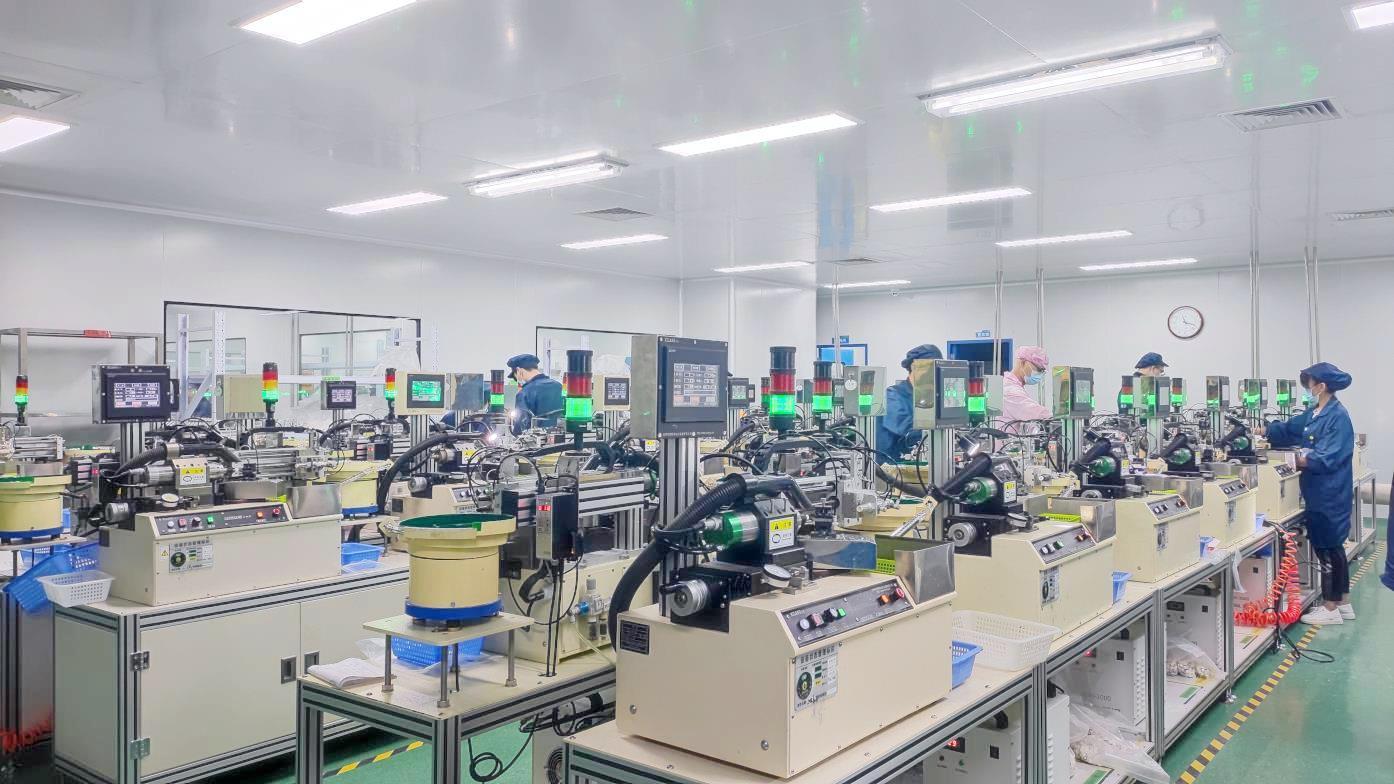
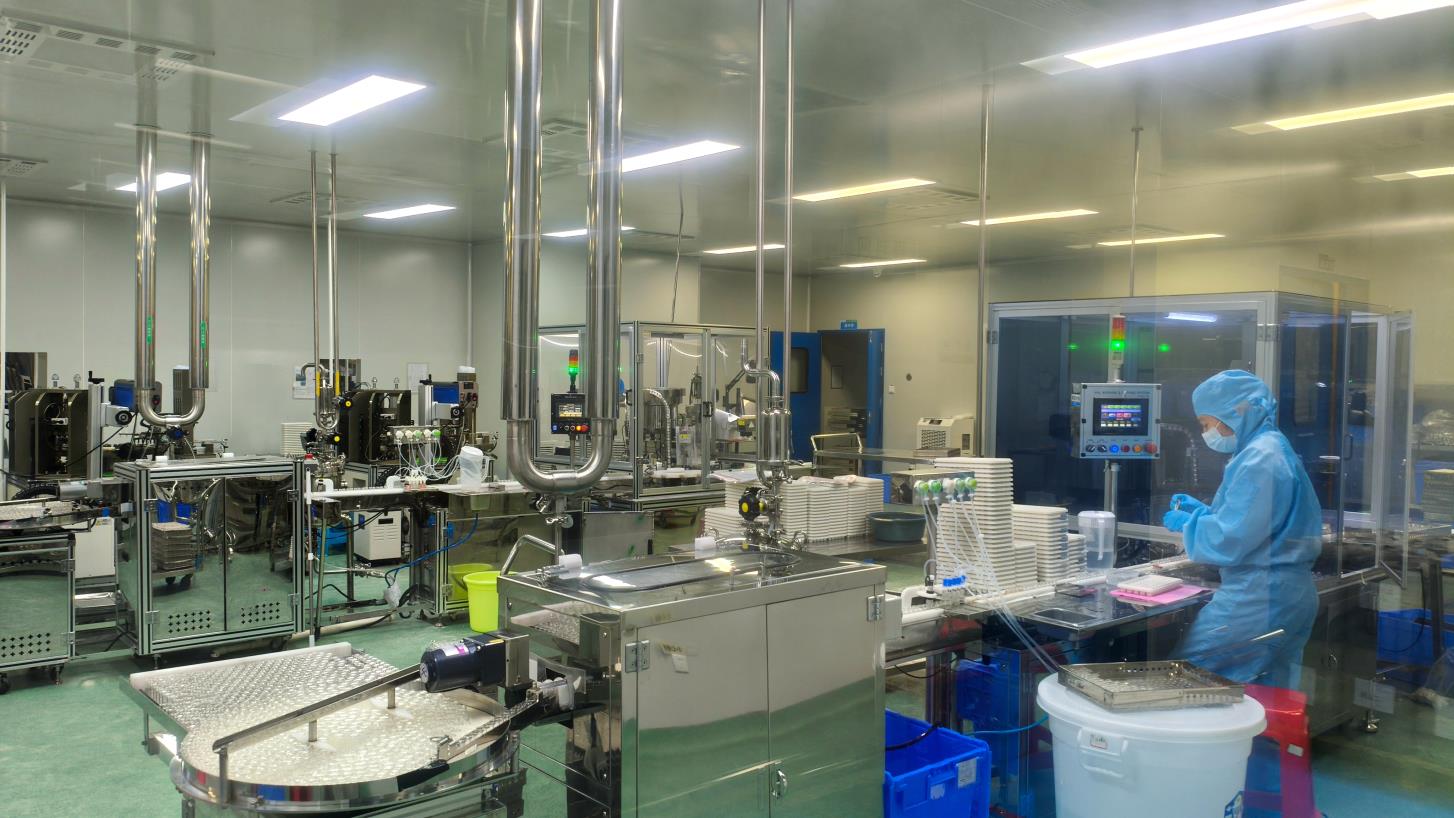
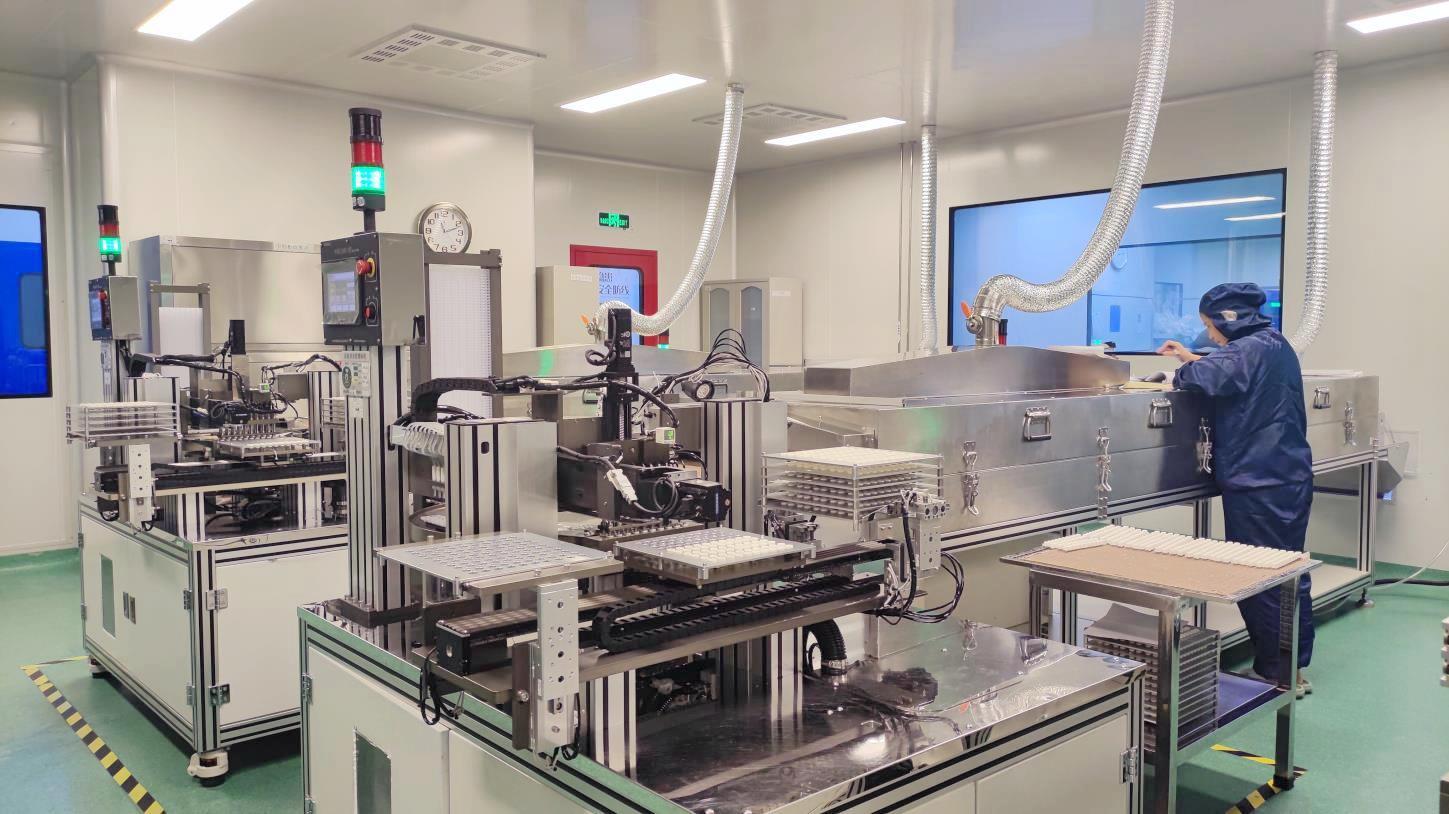
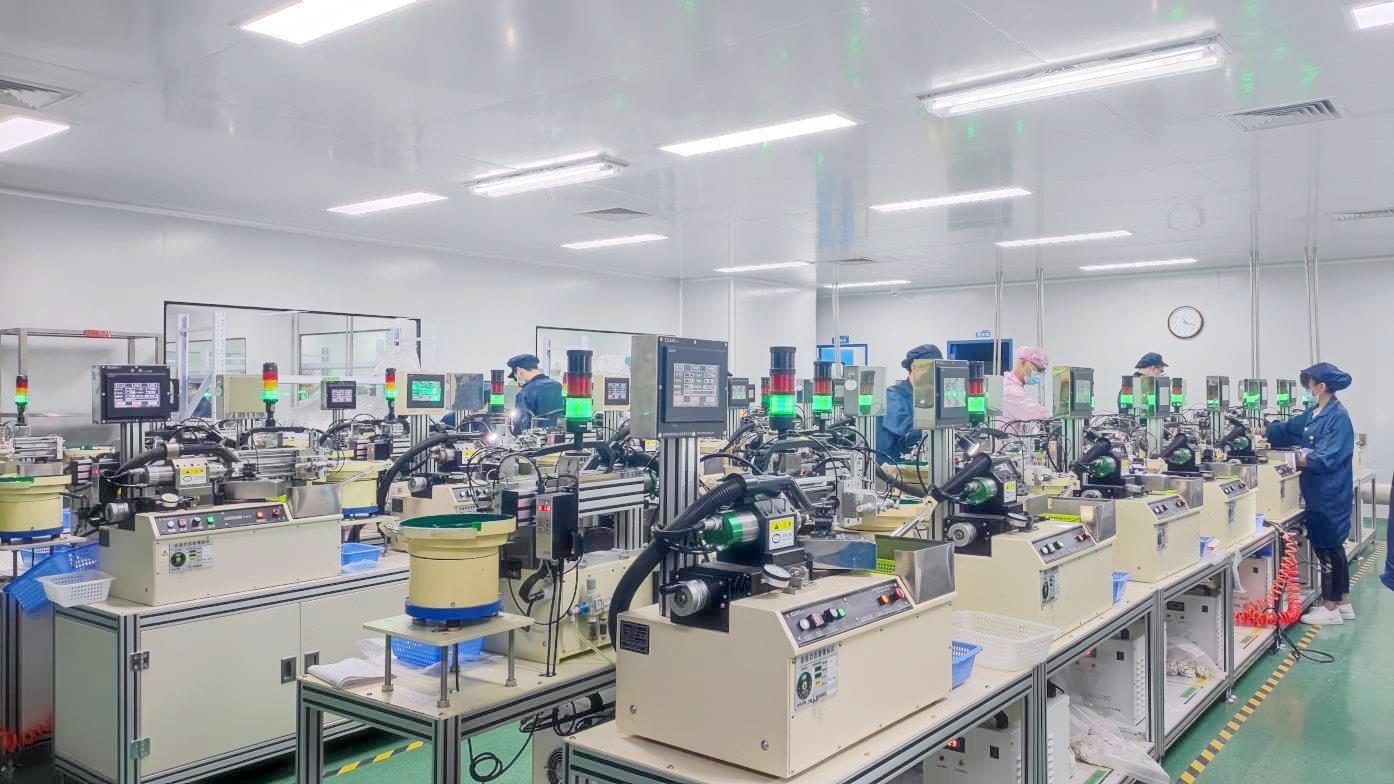
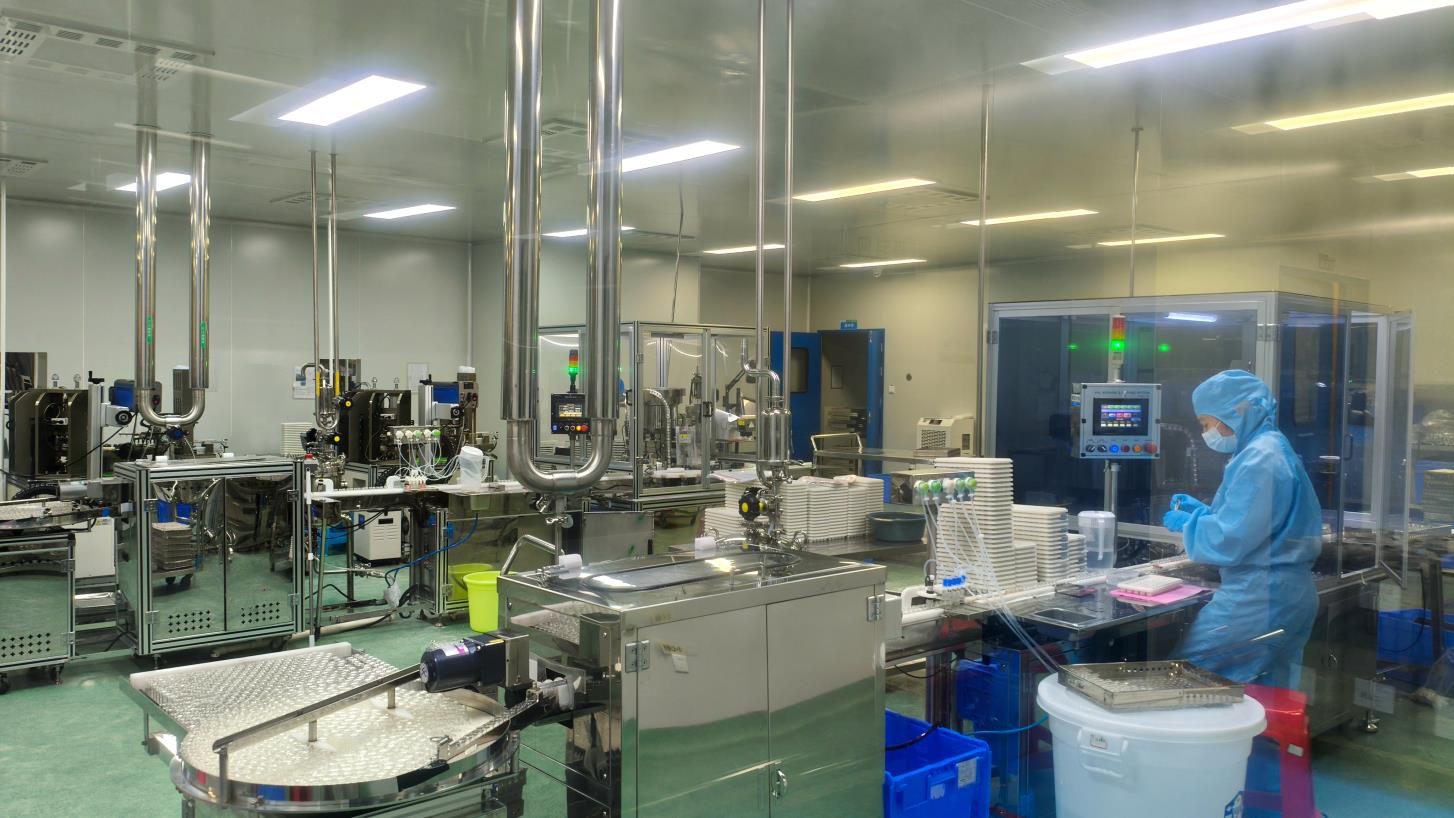
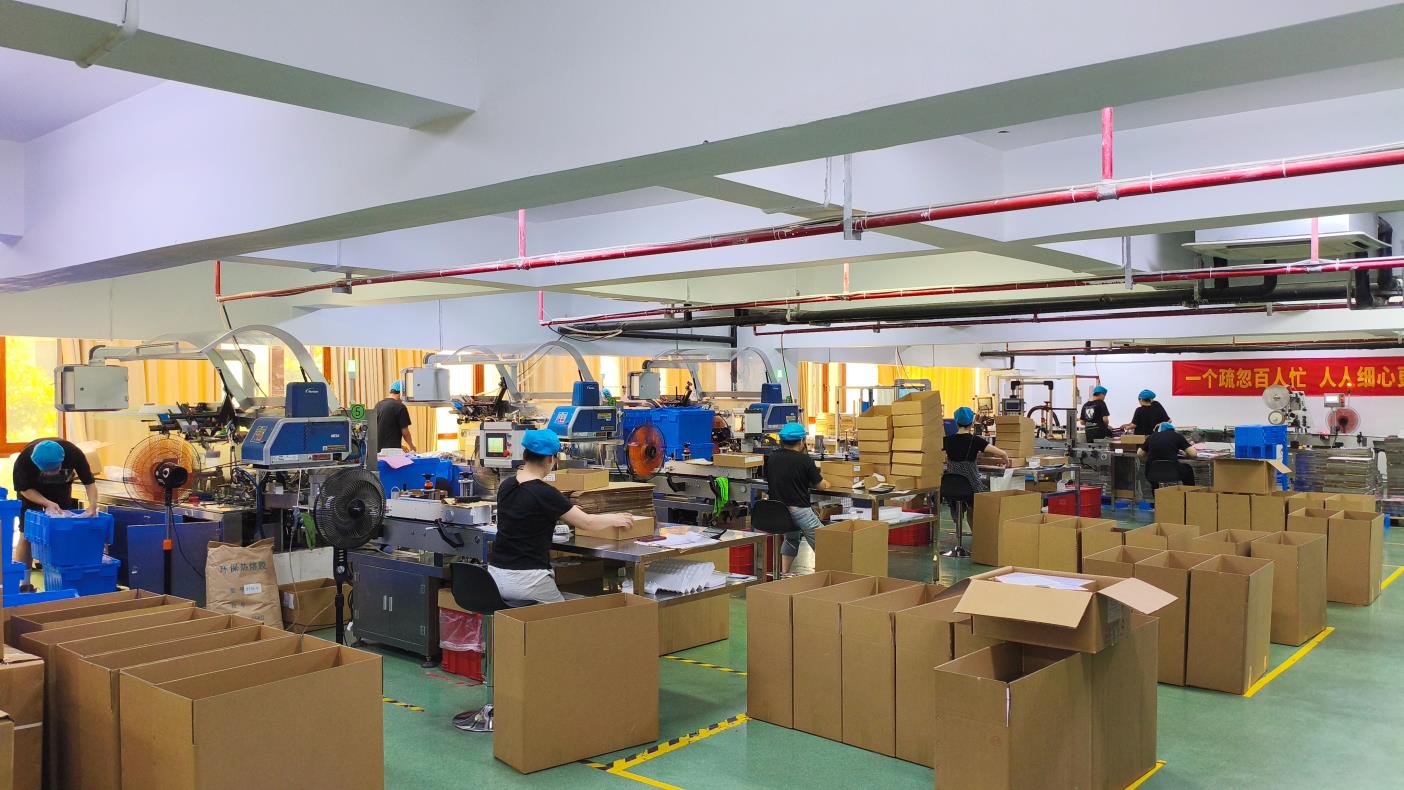
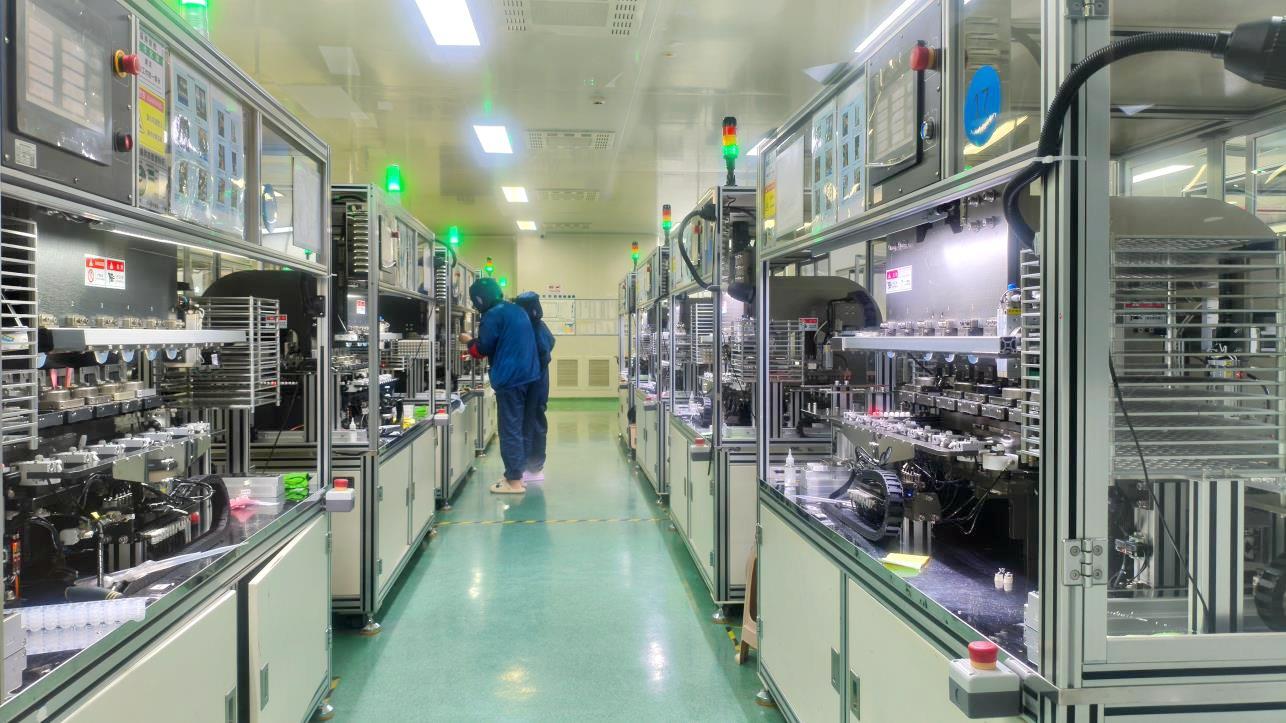
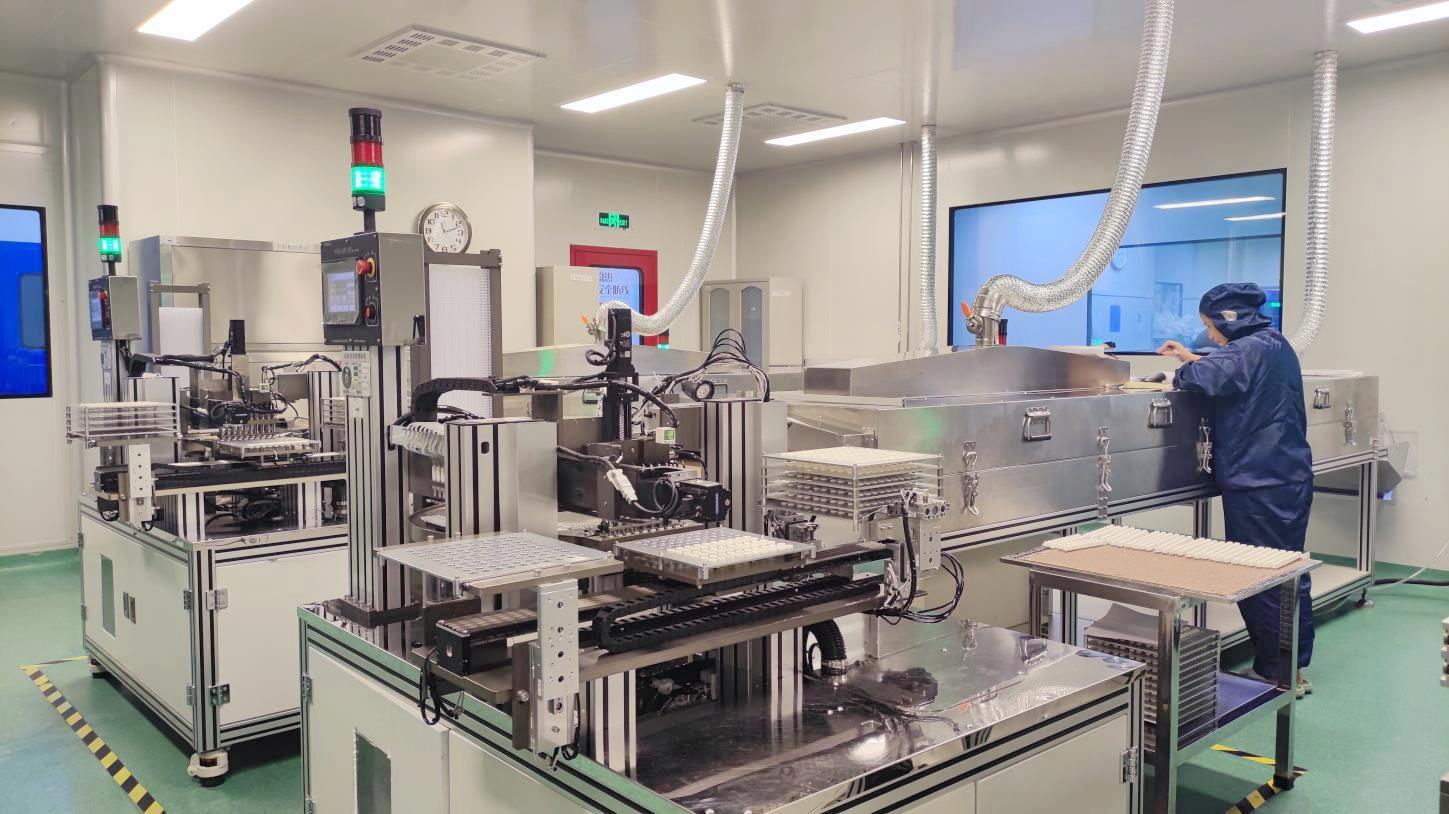
  • Production Capacity: Equipped with automated high-speed cast-molding lines operating within a Class 100,000 (ISO 8) cleanroom environment.
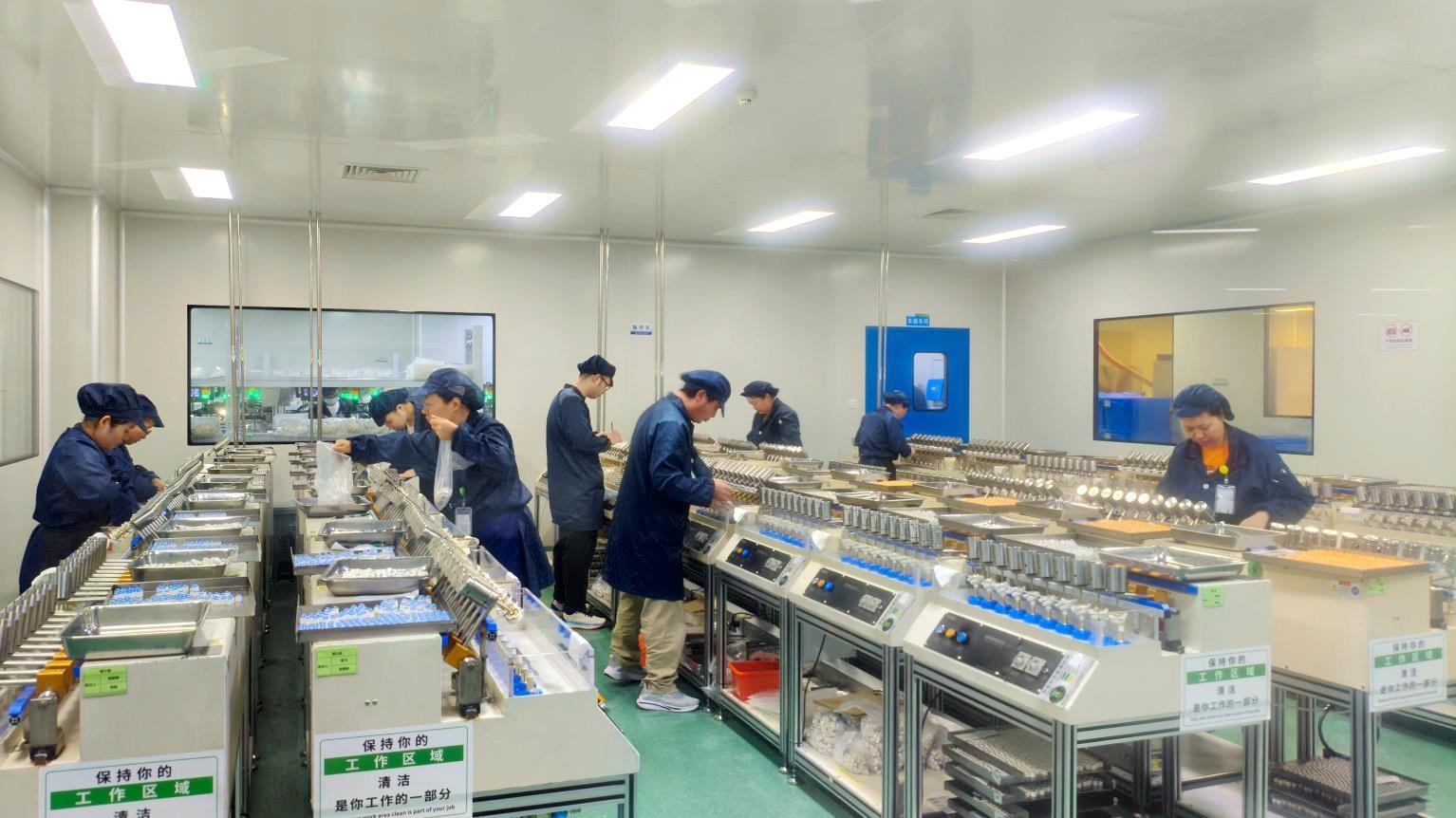
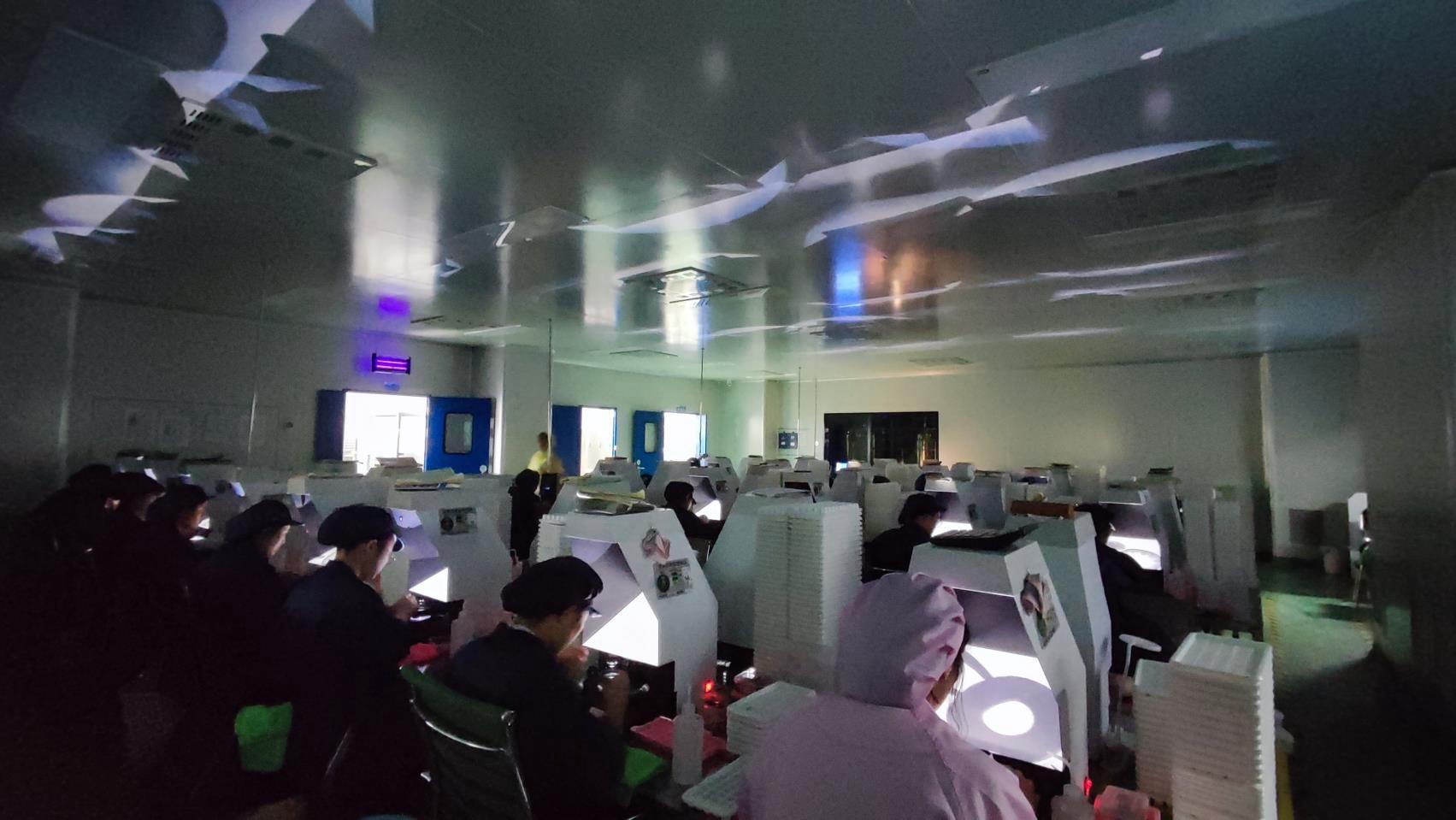
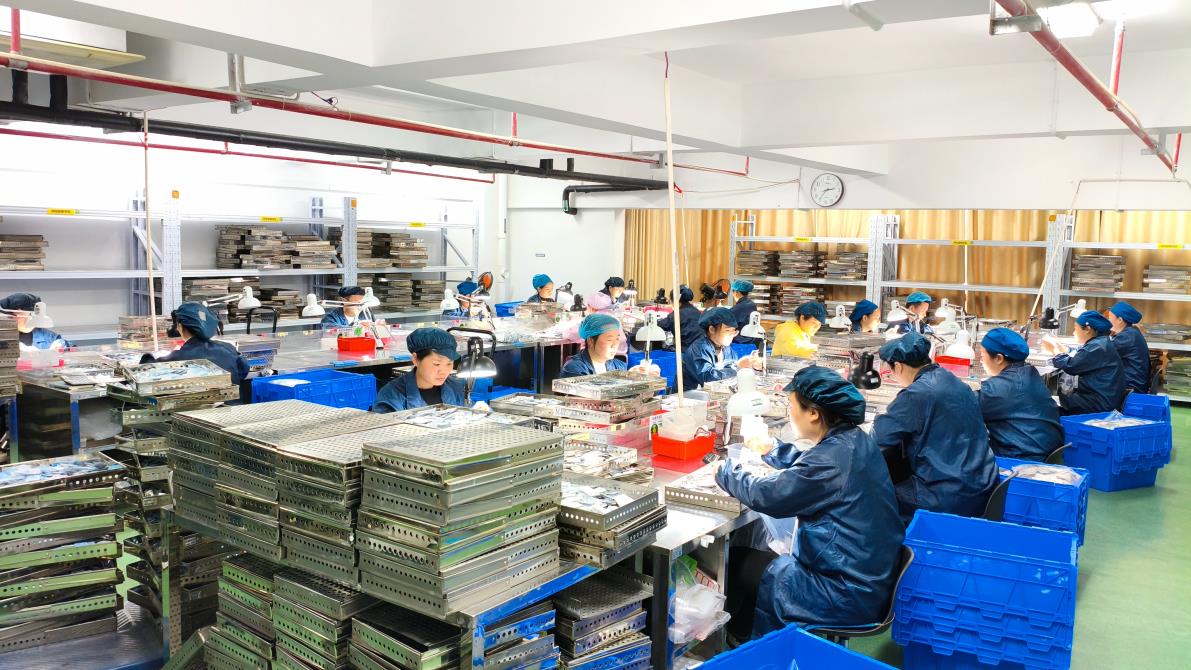
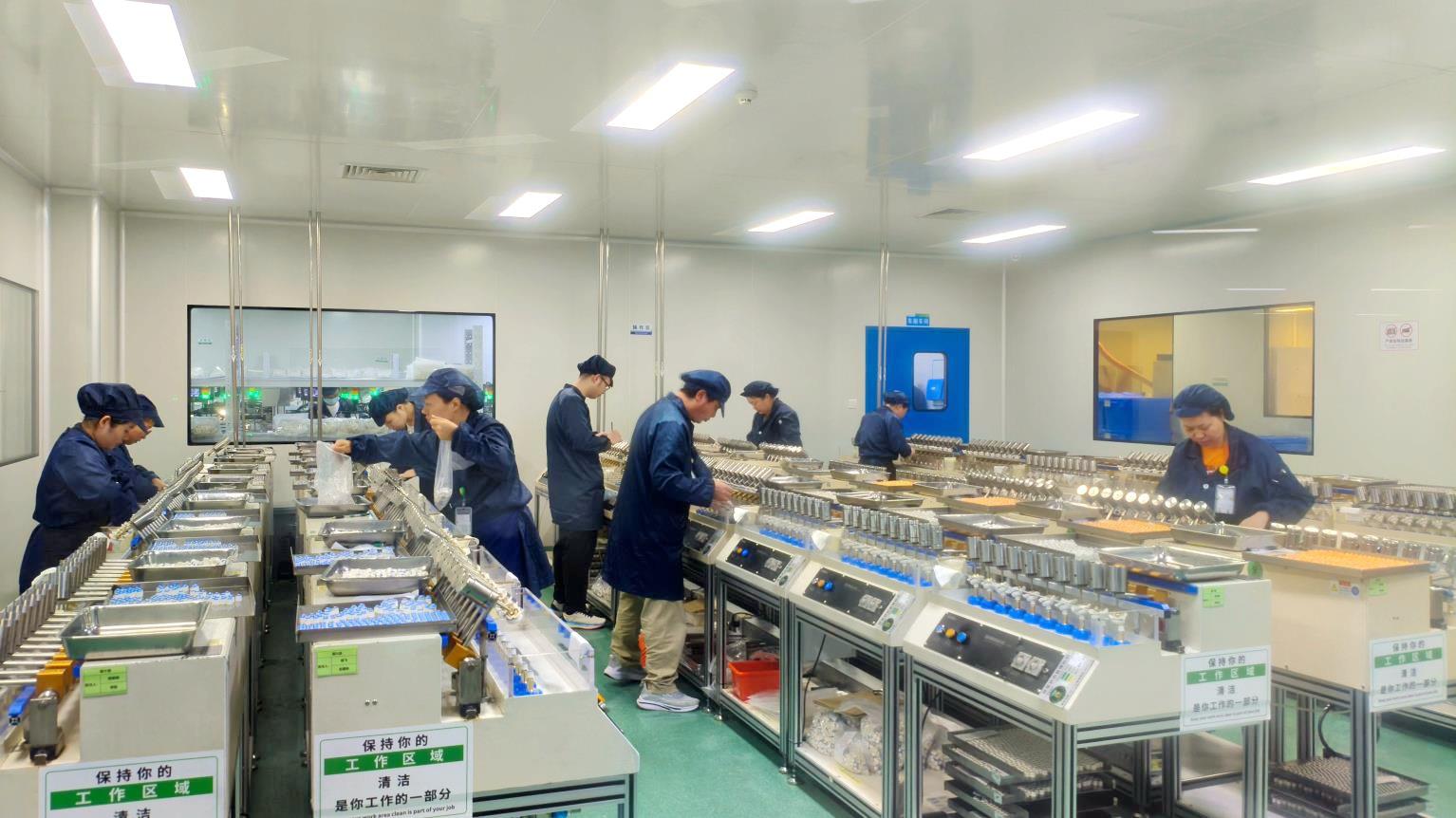
  • Quality Assurance: 100% full-inspection workflow, including automated geometric tolerance testing, power verification, and cosmetic defect screening.
  • Compliance: Built upon strict international quality control systems, fully meeting CE, ISO 13485, and global medical device standards.

As a dedicated B2B partner, we specialize in OEM, ODM, and turnkey private-label solutions. From material compounding (Hydrogel/Polyhema) to bespoke pattern design and compliant blister packaging, Blink Lenses provides global distributors and vision care brands with unparalleled stability, scale, and safety.
Color Printing
Color Printing
Dispensing
Dispensing
Turning
Turning
Polishing
Polishing
Projection Inspection
Inspection
Inner Packaging
Inner Pack
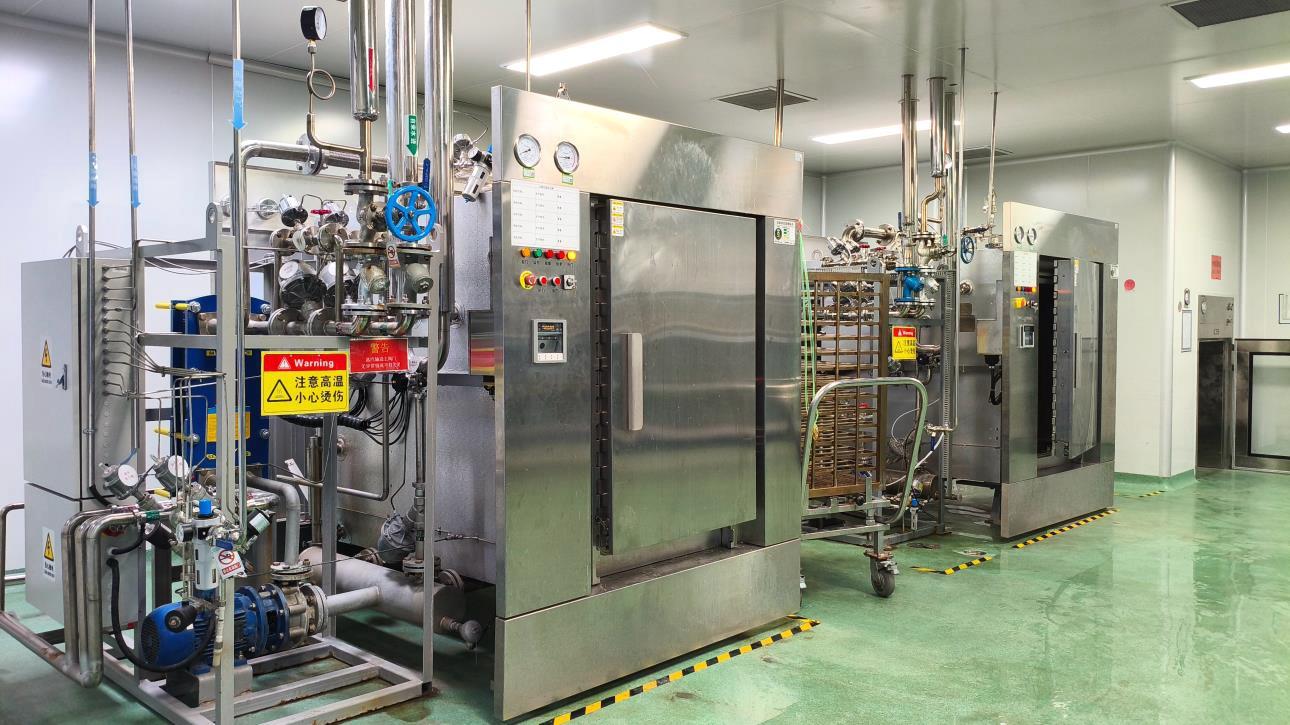
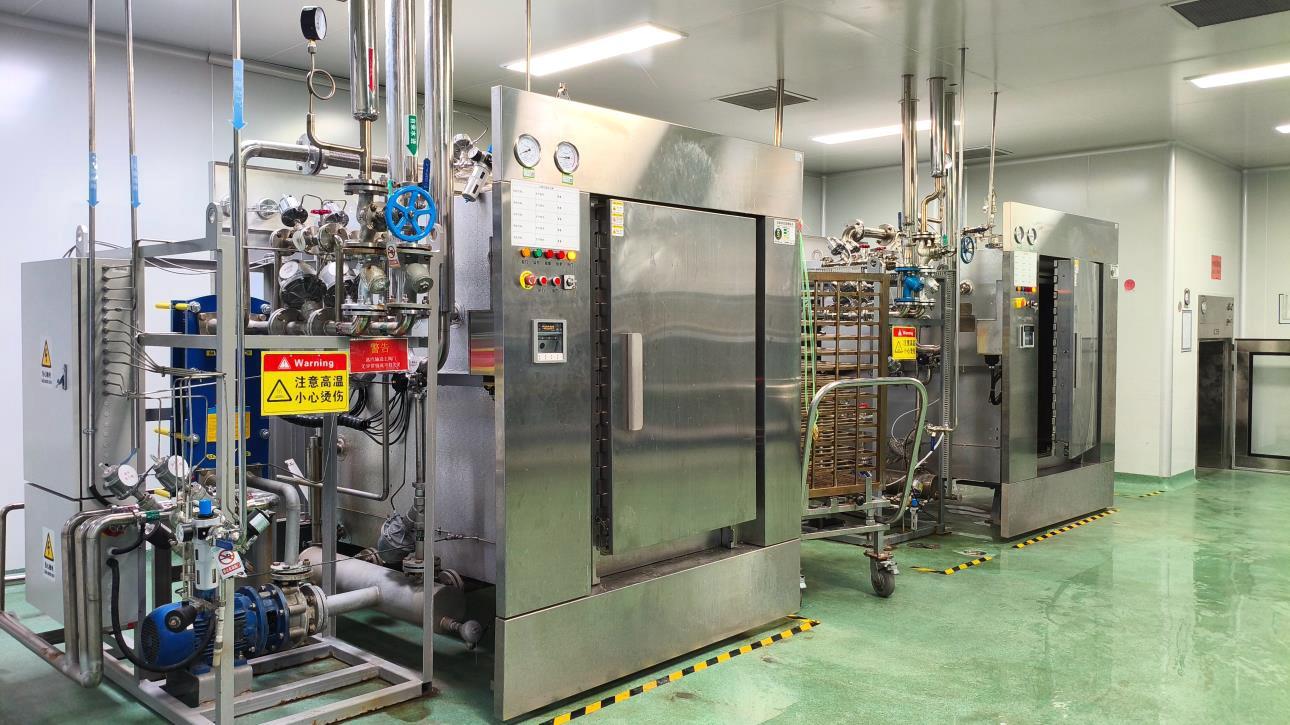
Sterilization
Sterilization
FQC
FQC
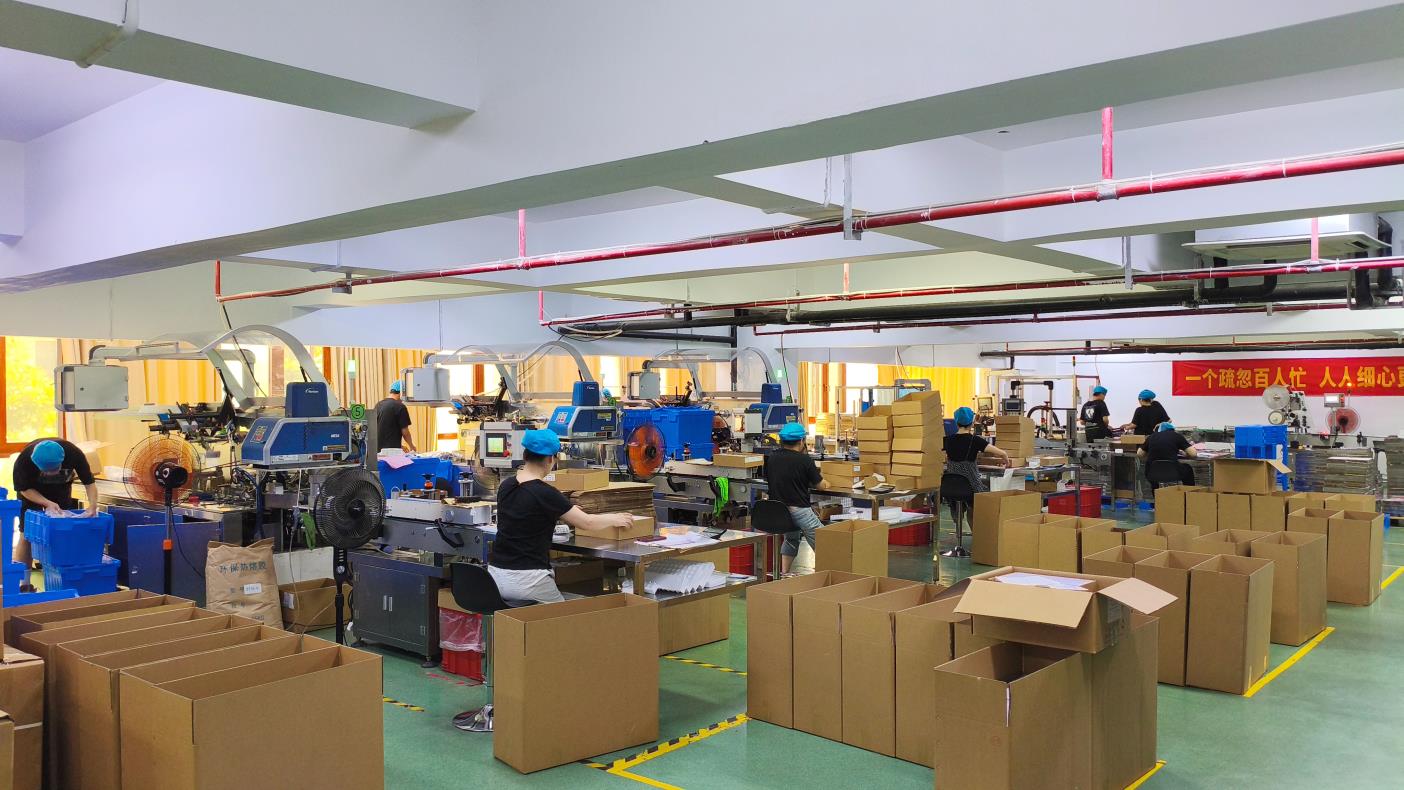
Packaging
Packaging
Color Printing Machine
Printer
Semi-die Injection Machine
Injection
Turning Center
Turning Ctr
Surface Polisher
Polisher
Inner Packaging Machine
Pack Mach
Sterilization Cabinet
Autoclave
Packaging Line
Pack Line

Global Ophthalmic Material Innovation & Market Trends

The cosmetic contact lens industry is shifting from traditional HEMA monomers to highly breathable, biomimetic materials. In modern factories, computerized double-sided cast-molding systems have replaced older lathe-cutting methods for high-volume orders. This automation improves surface quality and eliminates variations in the base curve, resulting in a more comfortable and consistent fit for the wearer.

In developing markets, consumer demand is evolving from basic corrective lenses to sophisticated colored cosmetic lenses. This trend is driven by digital media and the expansion of the beauty and wedding sectors in regional hubs like Malakal. Retailers who supply natural, high-performance lenses with certified UV protection are positioned to capture this growing market share.

Strategic Sourcing Blueprint for Wholesalers

For B2B buyers in South Sudan and East Africa, securing inventory from a certified manufacturer is crucial for long-term growth. When selecting a production partner, consider the following parameters:

  • Factory Validation: Ensure your manufacturer operates ISO 13485-certified lines and can provide comprehensive batch testing reports.
  • Private Label (OEM) Flexibility: Find partners who offer end-to-end design services, custom packaging options, and support for regulatory compliance.
  • Packaging Durability: Confirm that the packaging can withstand high temperatures during transit without seal failure or saline degradation.

Frequently Asked Questions (FAQ)

Technical and Commercial Guidance for Distributors and Optometry Wholesalers

What makes 14.2mm the ideal diameter for the East African demographic?
The 14.2mm outer diameter fits the majority of corneal profiles globally. It provides excellent coverage of the iris limbal boundary, ensuring the lens remains stable on the eye without compressing the sensitive limbal stem cells or restricting natural tear flow.
How do color contact lenses perform in dry, dusty climates like Malakal?
In dry, warm environments, low-water-content lenses (38% to 42%) are often more comfortable than high-water-content alternatives. They draw less moisture from the eye's natural tear film, reducing dehydration-induced lens shrinking and discomfort in dry conditions.
Is the coloring agent safe for long-term wear?
Yes. Guangzhou Blink Lenses uses a sandwich construction method. The pigment is locked between two layers of clear polymer material. This design prevents the color from coming into contact with the cornea, ensuring a safe and comfortable wearing experience.
What options do you offer for OEM, private label, and custom brand packaging?
We provide comprehensive B2B OEM services. This includes custom packaging boxes, blister foil branding, custom base curves, and custom colors. We also provide full regulatory documentation (CE, ISO 13485) to support your local registration process.

Establish Your Private Label Color Lens Brand in Malakal

Partner with Guangzhou Blink Lenses Trading Co., Ltd. for certified quality, custom packaging design, and a reliable supply chain. Reach out to our B2B team today to discuss bulk pricing, MOQ requirements, and shipping solutions.

Send Inquiry Now