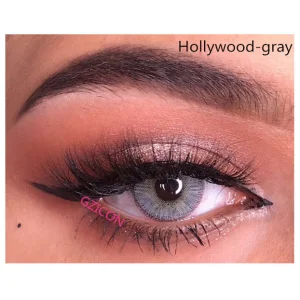
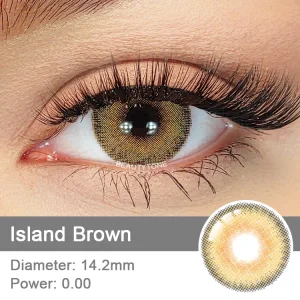
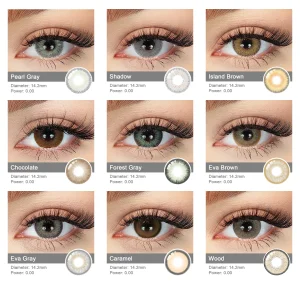
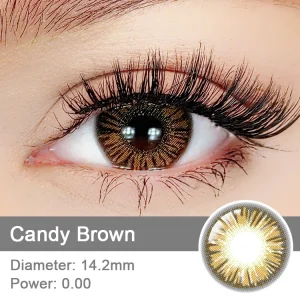
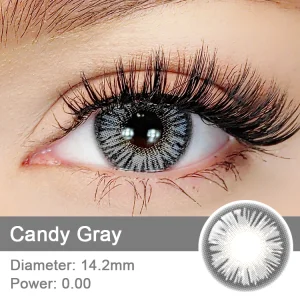
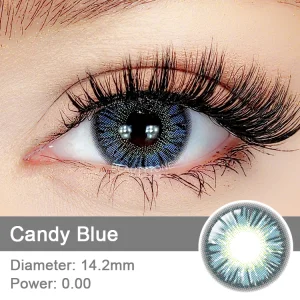
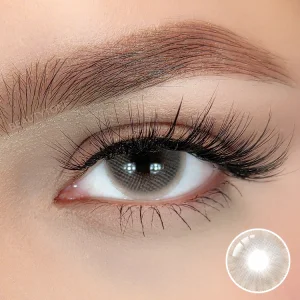
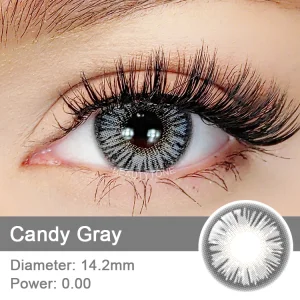
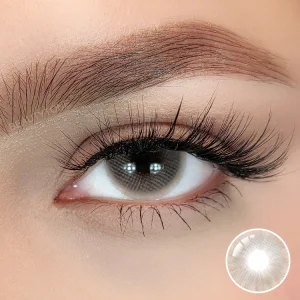
14.2mm Color Contact Lenses Manufacturers & Factories in the Kiribati Market

Strategic B2B sourcing guide for safe, high-permeability cosmetic lenses customized for Micronesian demographics and tropical climates.

Send Inquiry Now

Understanding the Kiribati Market for Cosmetic Contact Lenses

Kiribati, a vibrant Pacific nation stretching across 33 atolls, presents a unique geographic and demographic landscape for the optical and cosmetic industry. Historically dependent on direct aid and basic imports, the local consumer base—particularly in urban hubs like South Tarawa (Betio, Bairiki) and Kiritimati (Christmas Island)—is experiencing an upward trend in lifestyle and cosmetic spending.

The demand for 14.2mm color contact lenses in the Kiribati market is growing, driven by local digital adoption, social media access, and a youthful population keen on global beauty standards. Unlike larger nations with domestic manufacturing, Kiribati relies entirely on imports for optical medical devices. This dependency places immense pressure on B2B distributors to identify manufacturing partners who can offer reliable supply chains, long shelf-life, and strict biological safety parameters suitable for high-humidity, high-salinity island climates.

Why the 14.2mm Diameter is the Golden Ratio for Kiribati Consumers

In the field of contact lens design, diameter determines eye coverage, centration, and the overall aesthetic transformation. While 14.0mm lenses are often considered basic and 14.5mm lenses are designed for a dramatic "doll-eye" effect, the 14.2mm diameter is widely recognized as the industry's golden ratio.

  • Optimal Fitting: Offers standard base curves (typically 8.5mm to 8.7mm) that conform perfectly to Pacific island eye anatomy, preventing lens slippage and centration lag.
  • Natural Enhancement: Enhances the limbal ring size just enough to brighten the iris without obstructing tear film exchange. This is vital in tropical areas where dry eye syndrome is prevalent due to constant sea breezes.
  • Optimized Design: Leaves a sufficient peripheral clearing zone, allowing fresh, oxygenated tears to circulate beneath the lens matrix.
B2B Market Insights

Target Demographics: South Tarawa, Betio, Bairiki, Kiritimati.
Key Logistics Hubs: Port of Betio (Tarawa), Bonriki International Airport.
Climate Considerations: Average humidity >80%, requiring high water-retention HEMA-Polyhema raw materials to counter evaporation.
Regulatory Standard: Under oversight of the Kiribati Ministry of Health and Medical Services (MHMS) for medical consumables.
🧬
Class 100K
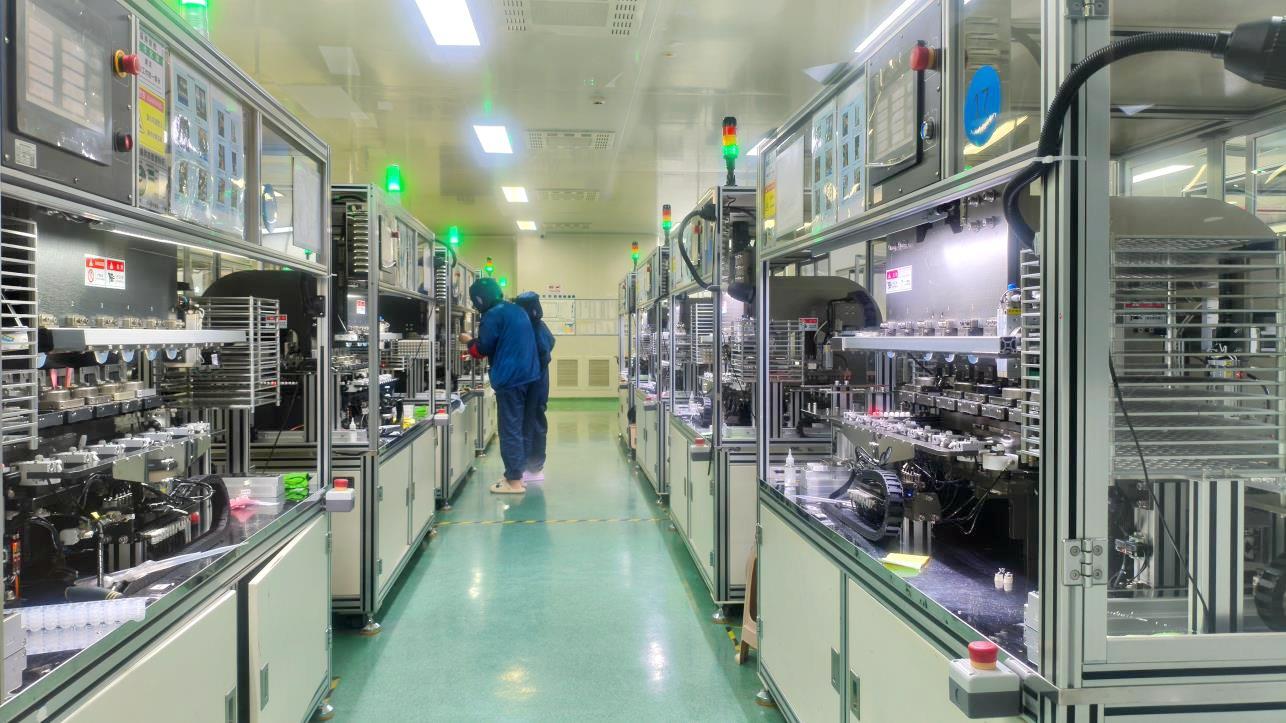
ISO 8 Cleanroom Production
🛡️
100%
FQC Microscopic Inspection
🌍
CE/ISO
Standard Medical Compliances
📦
OEM/ODM
Tailored Private Label Solutions

Corporate Profile: Guangzhou Blink Lenses Trading Co., Ltd.

B2B manufacturing powerhouse supplying premium vision and cosmetic lens products worldwide.

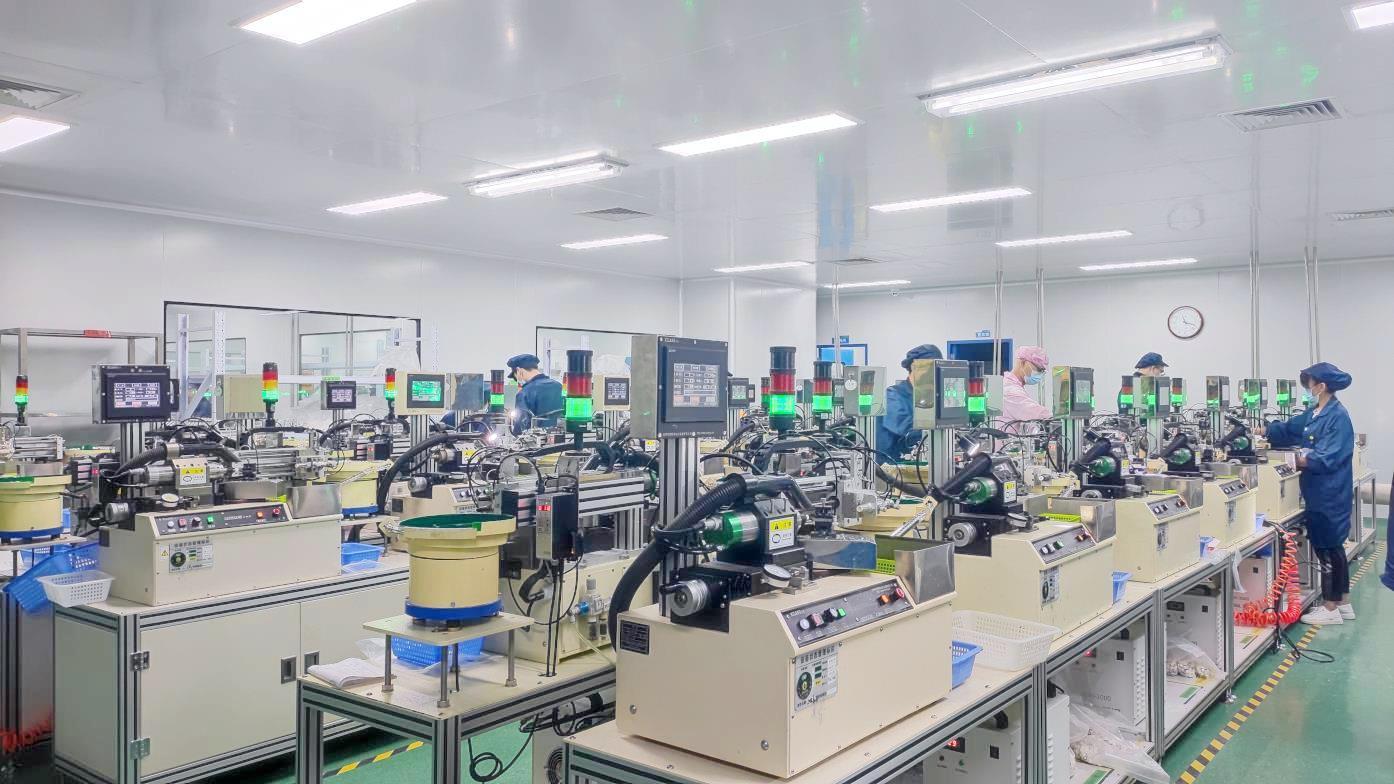
Guangzhou Blink Lenses Trading Co., Ltd. is an industrial-scale manufacturer specializing in the R&D and mass production of high-quality contact lenses and cosmetic colored lenses. Located in the manufacturing hub of Dongguan, China, we operate a fully integrated facility that bridges cutting-edge optical technology with robust supply chain capabilities.

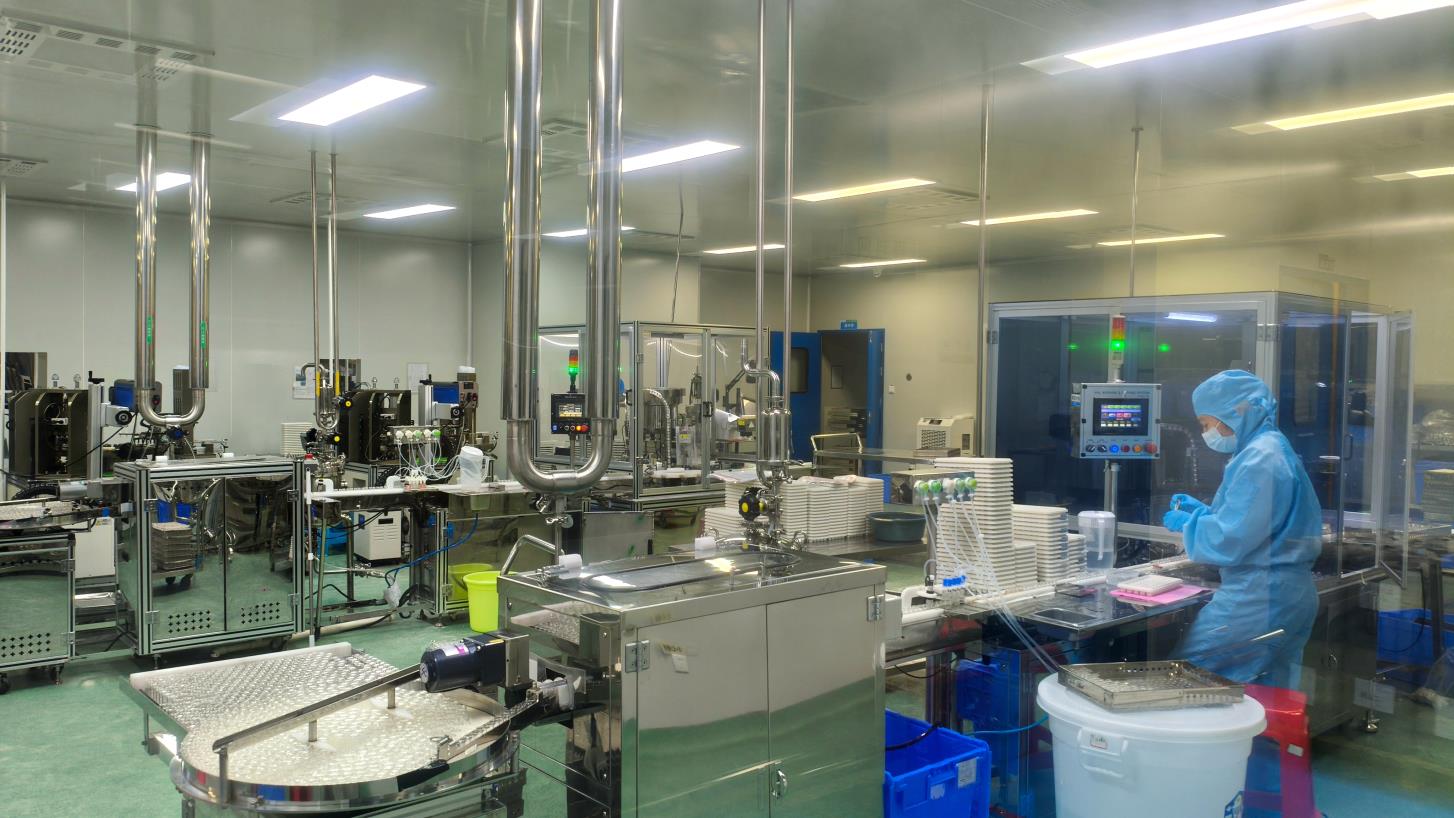
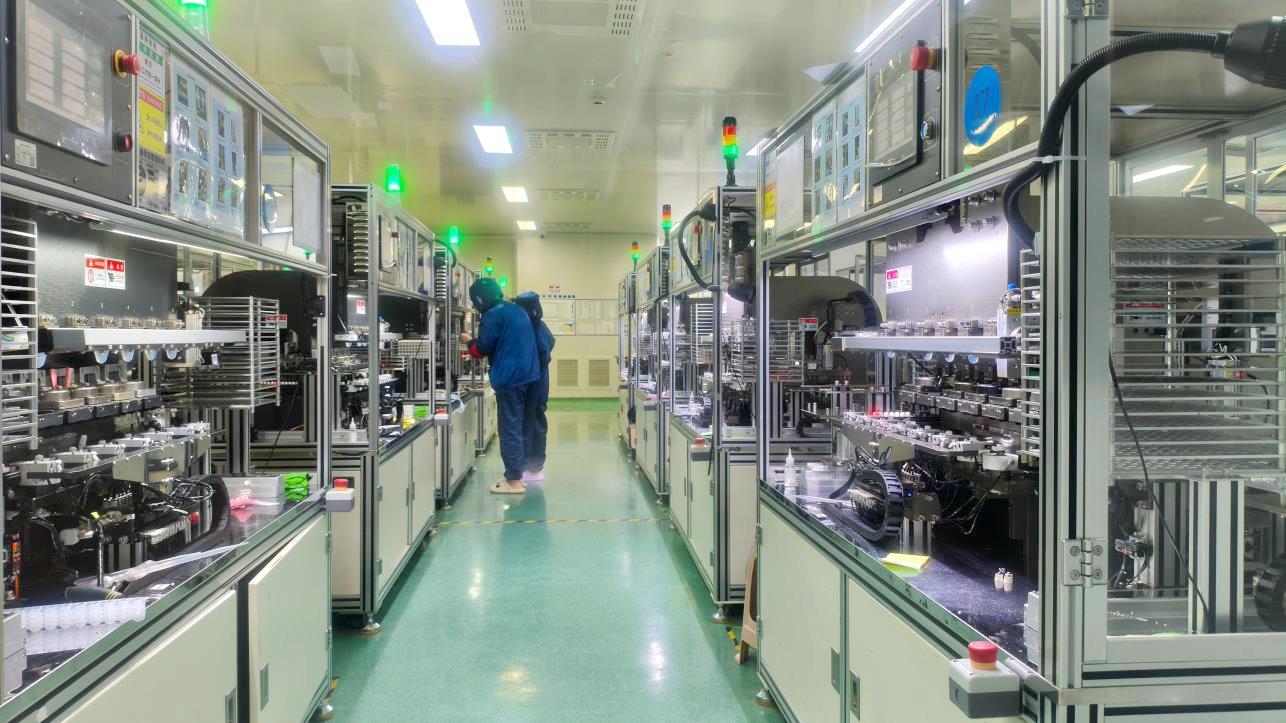
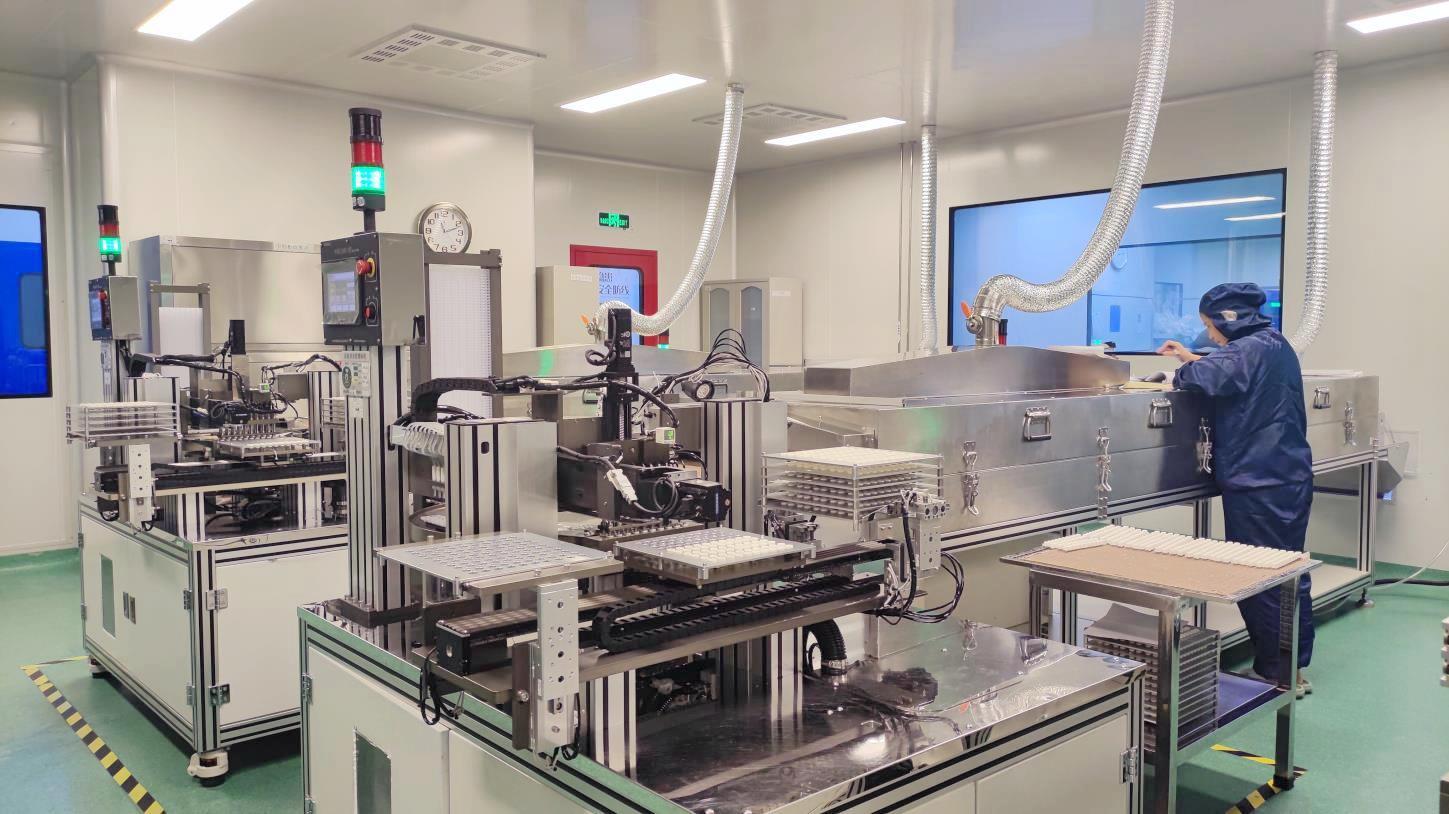
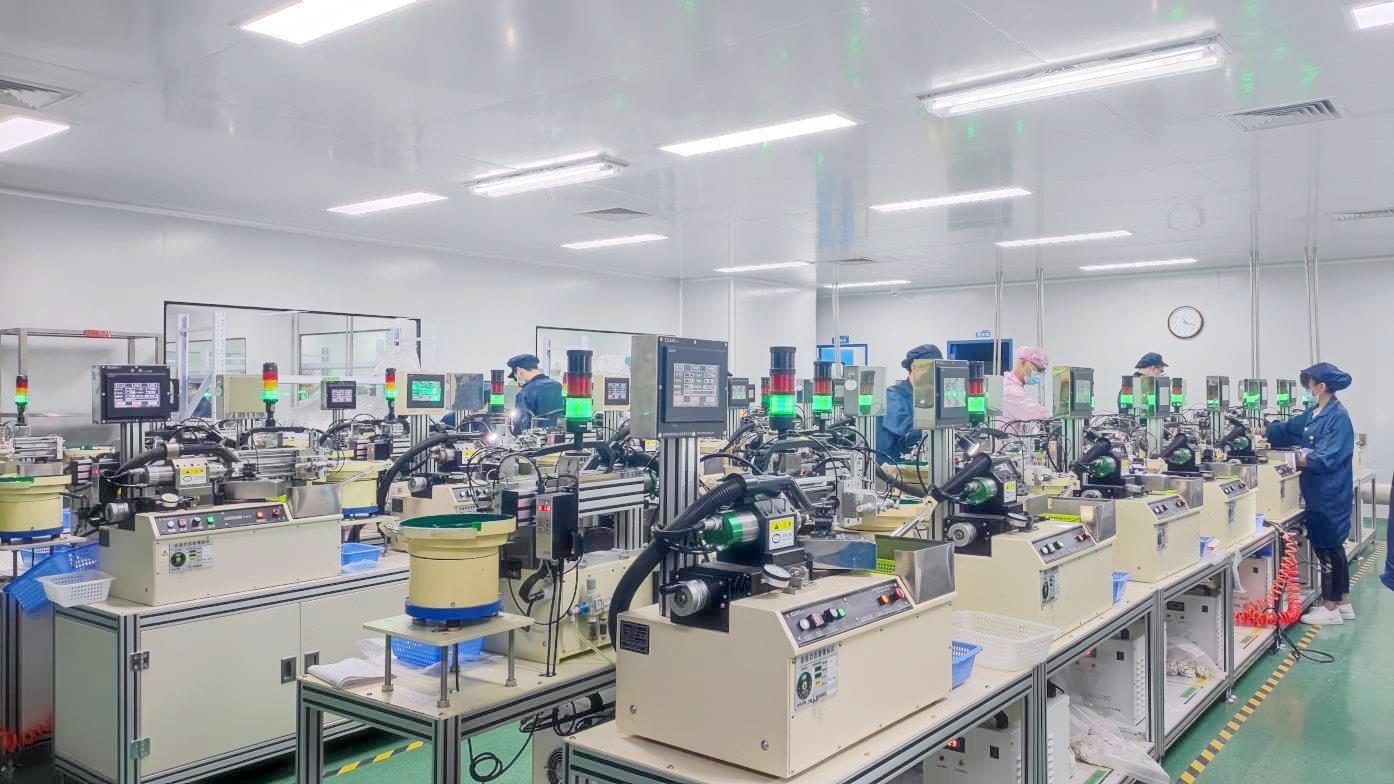
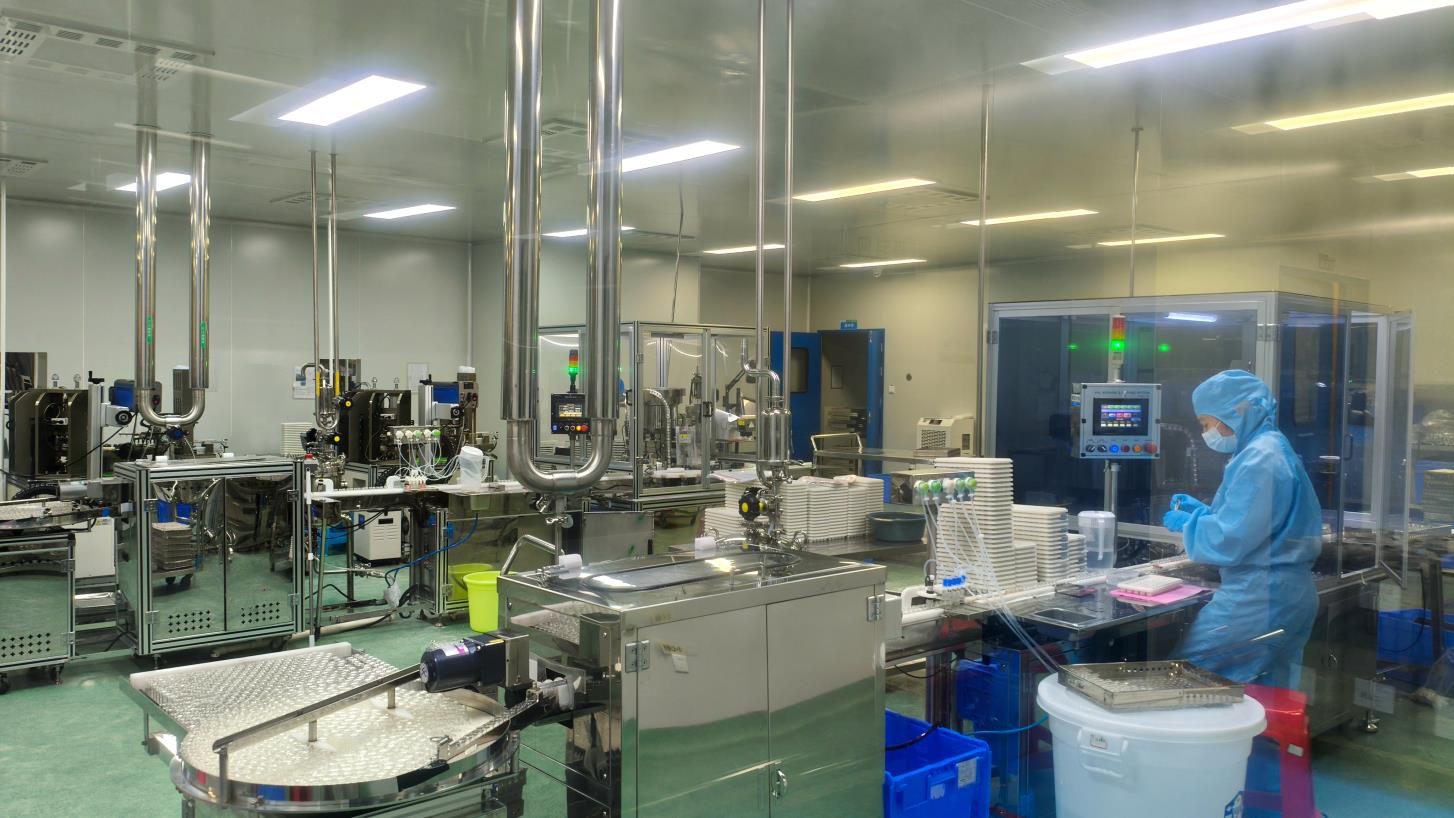
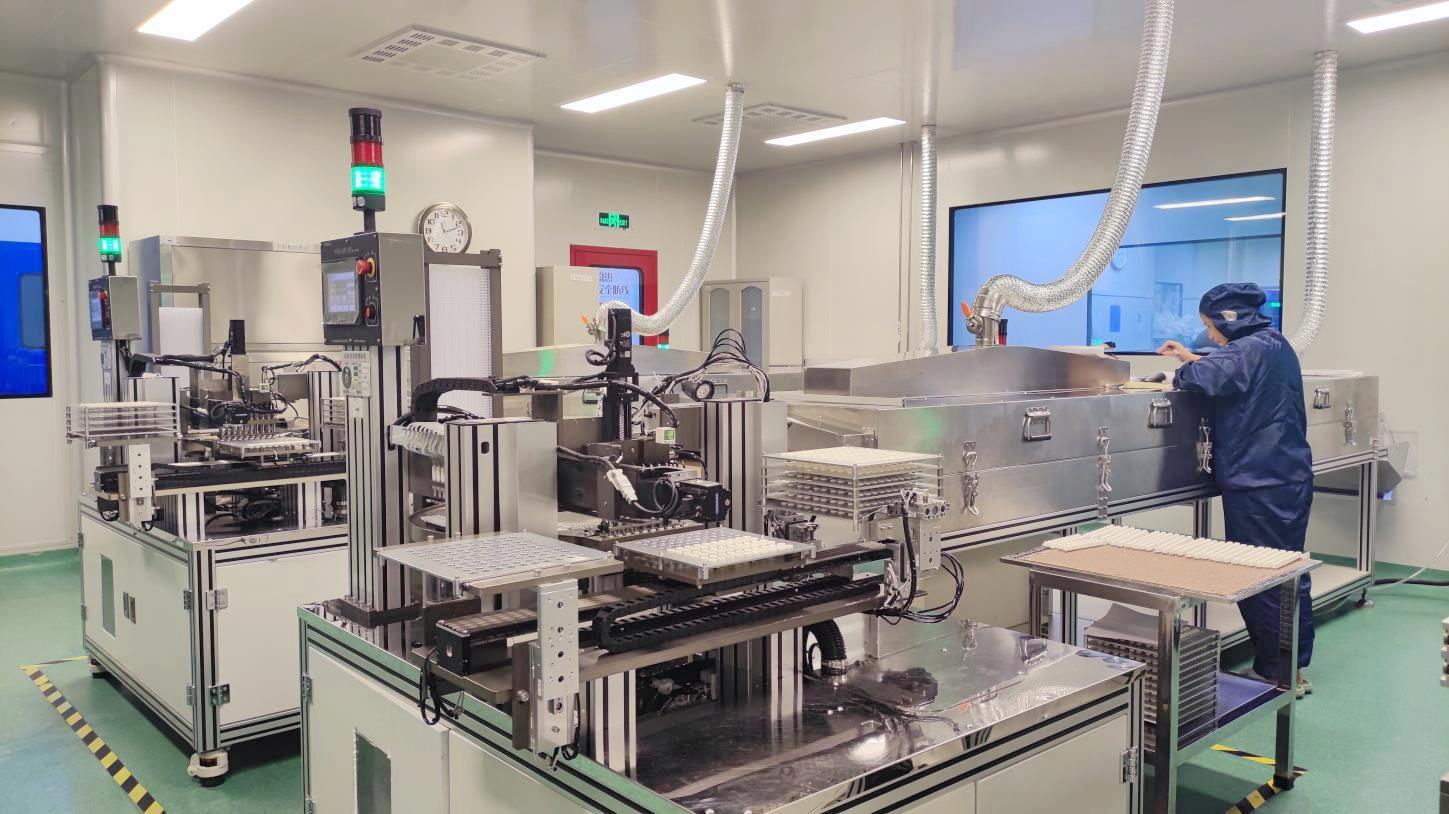
  • Production Capacity: Equipped with automated high-speed cast-molding lines operating within a Class 100,000 (ISO 8) cleanroom environment.
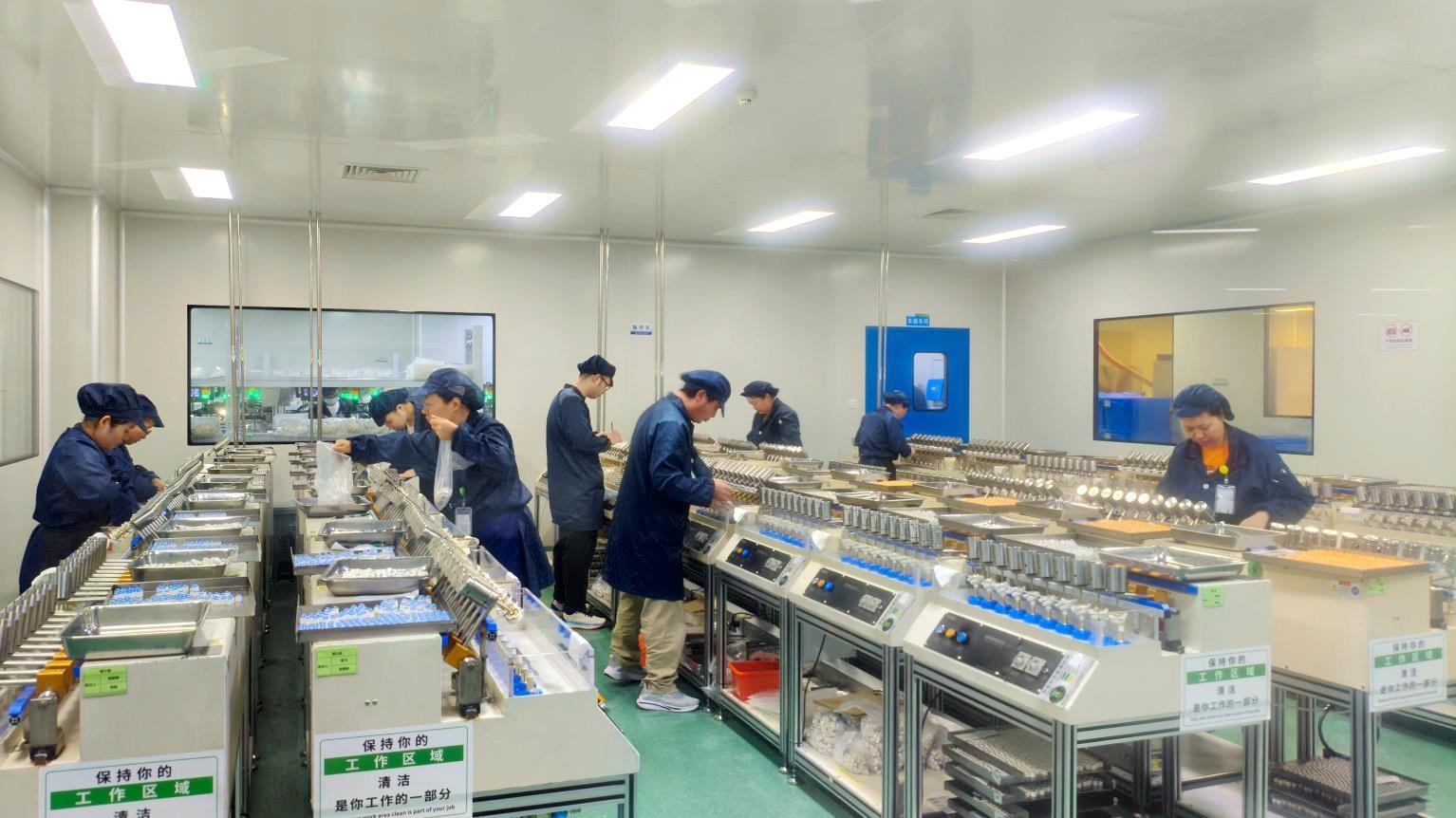
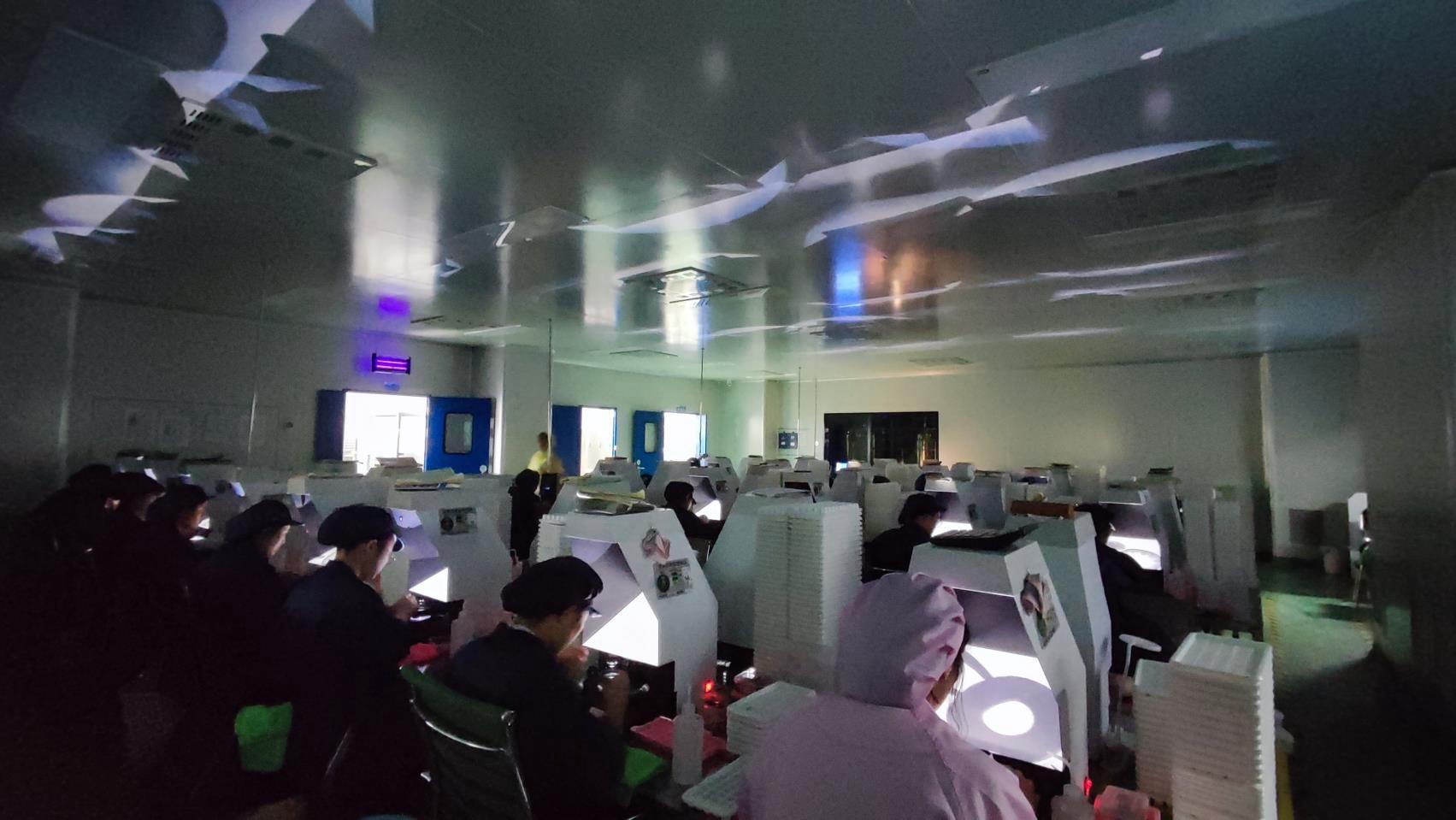
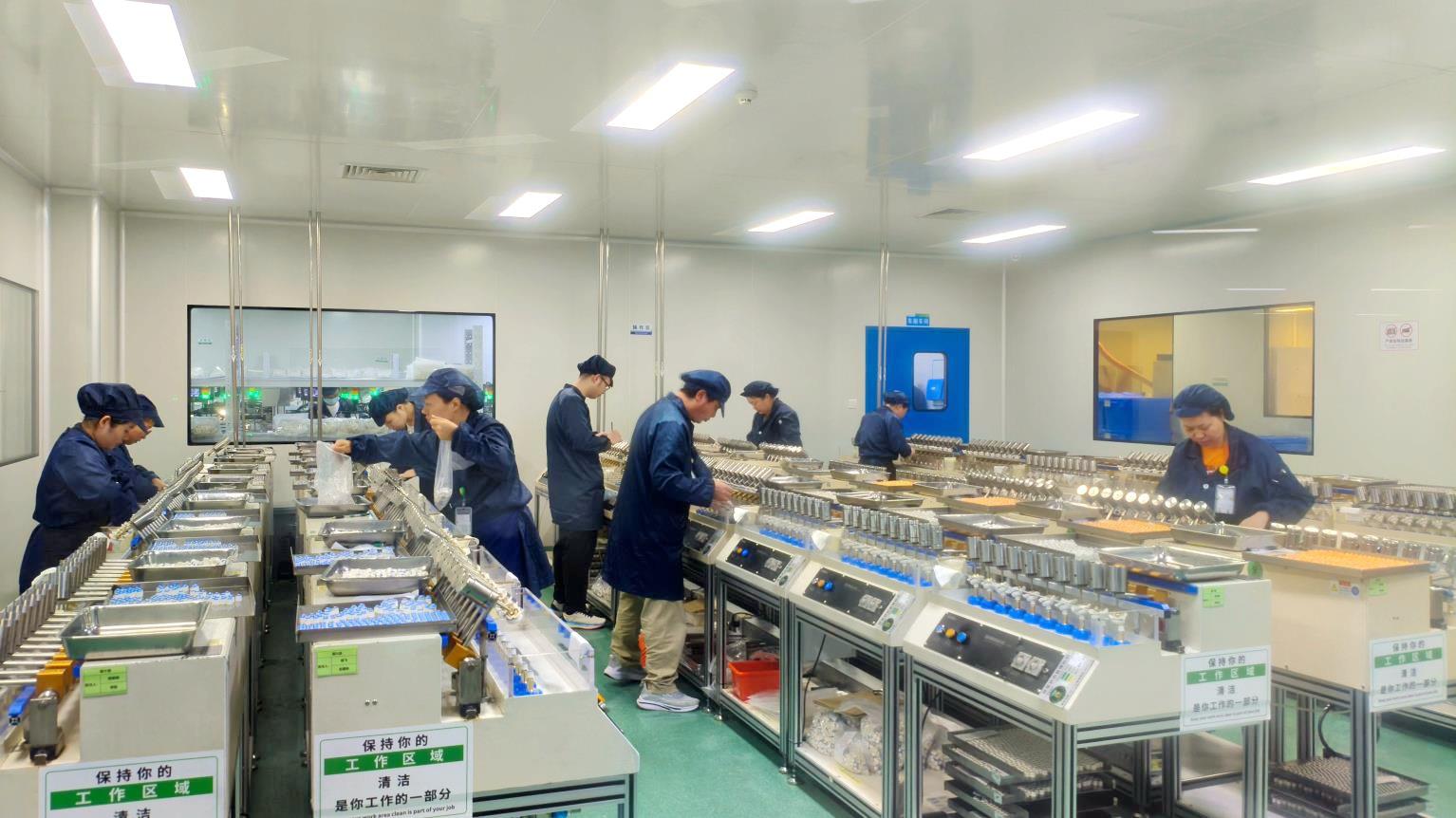
  • Quality Assurance: 100% full-inspection workflow, including automated geometric tolerance testing, power verification, and cosmetic defect screening.
  • Compliance: Built upon strict international quality control systems, fully meeting CE, ISO 13485, and global medical device standards.

As a dedicated B2B partner, we specialize in OEM, ODM, and turnkey private-label solutions. From material compounding (Hydrogel/Polyhema) to bespoke pattern design and compliant blister packaging, Chic Contacts provides global distributors and vision care brands with unparalleled stability, scale, and safety.

Integrated Production Line & Scientific Quality Control

Step-by-step transparency from polymer compounding to final sterilization.

Color Printing
Color Printing
Dispensing
Dispensing
Turning
Turning
Polishing
Polishing
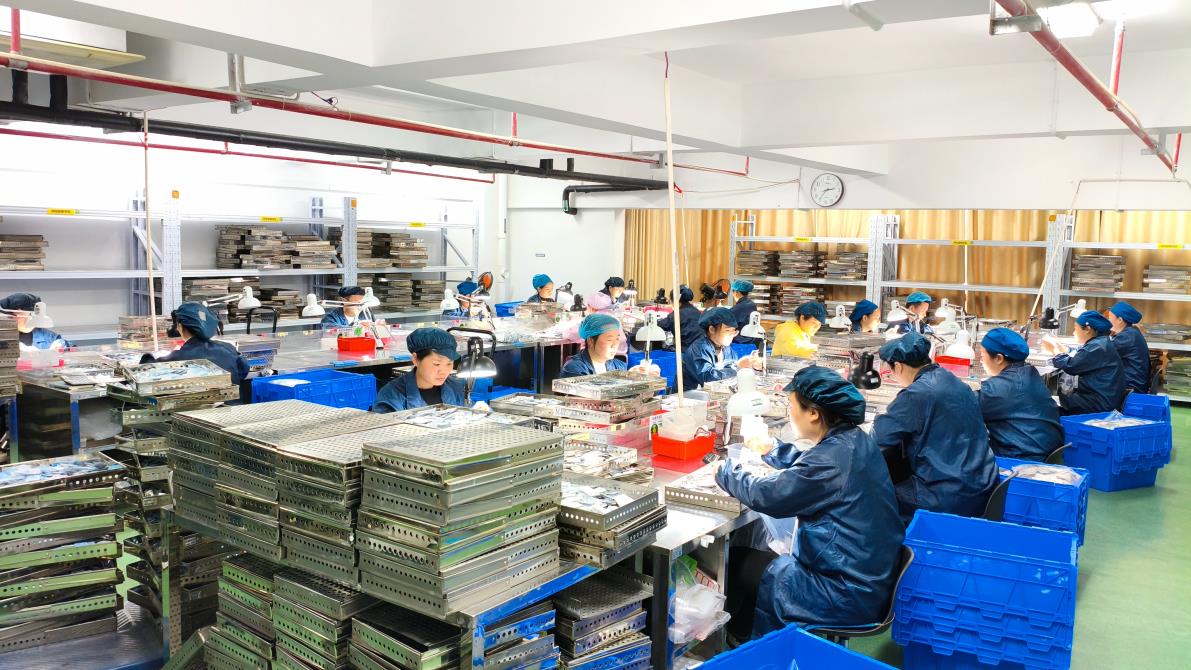
Projection Inspection
Inner Packaging
Inner Packaging
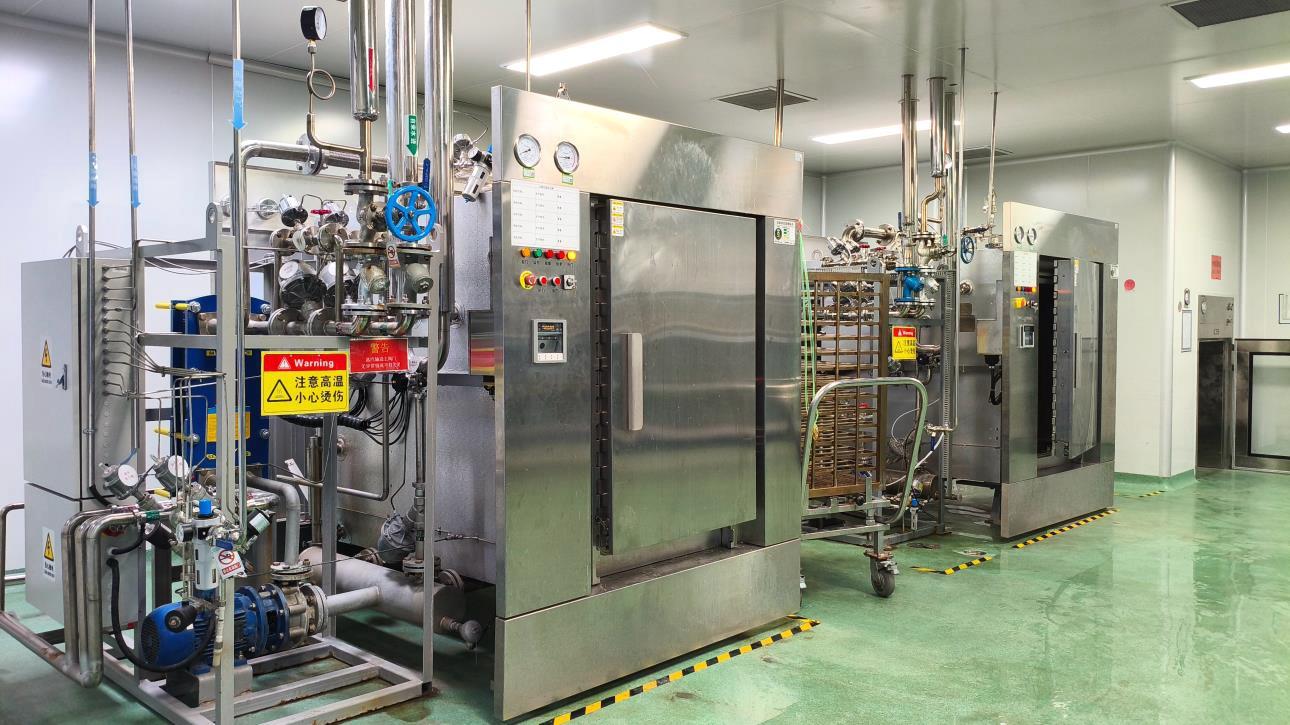
Sterilization
Sterilization
FQC
FQC
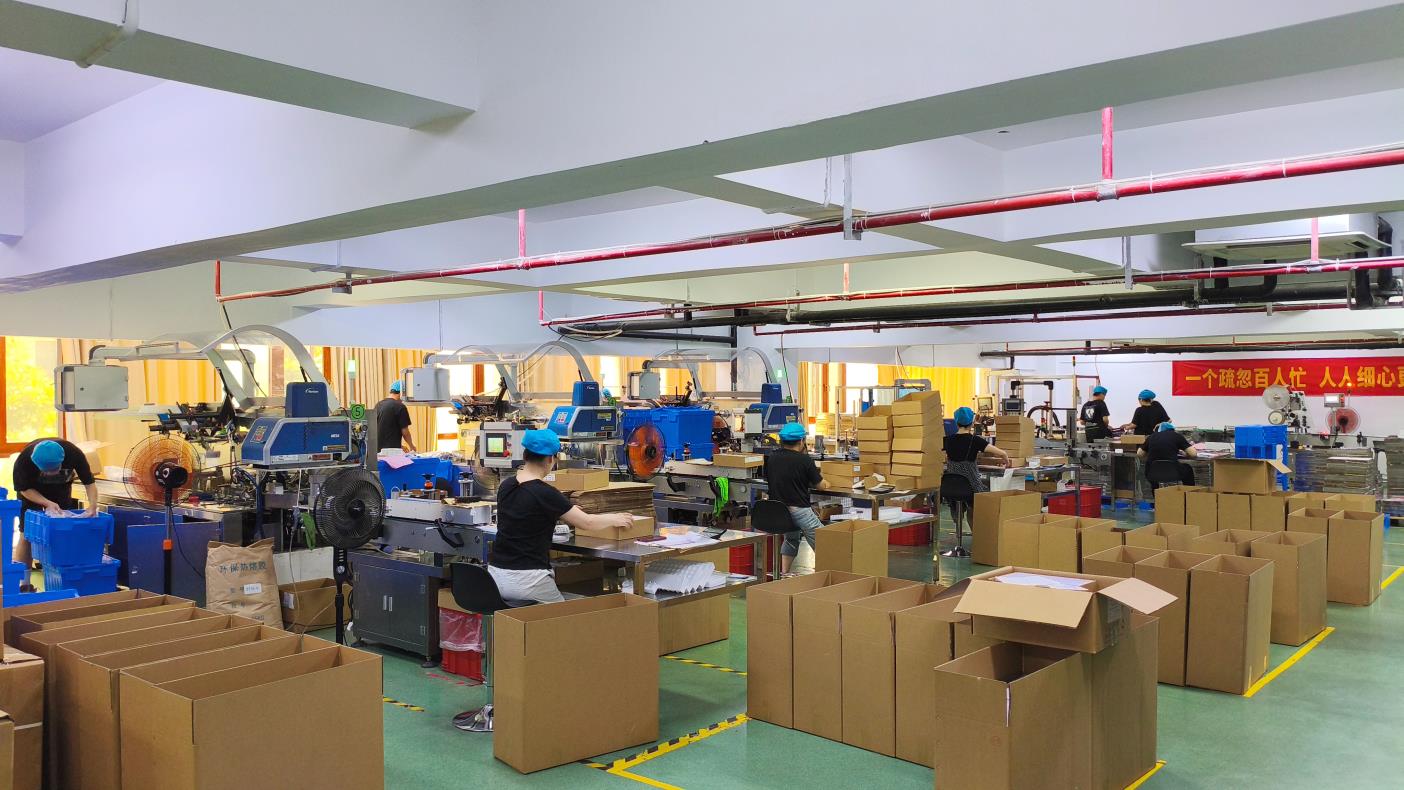
Packaging
Packaging
Color Printing Machine
Semi-die Injection Machine
Turning Center
Turning Center
Surface Polisher
Surface Polisher
Inner Packaging Machine
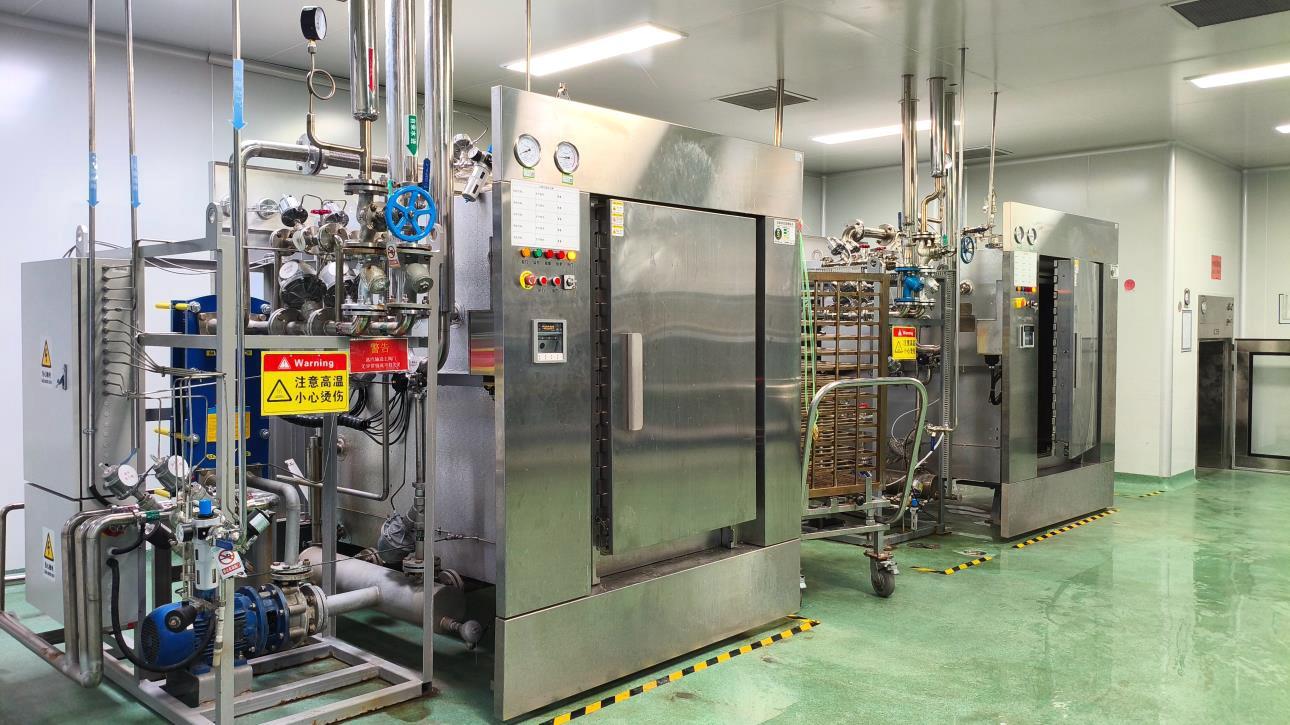
Sterilization Cabinet
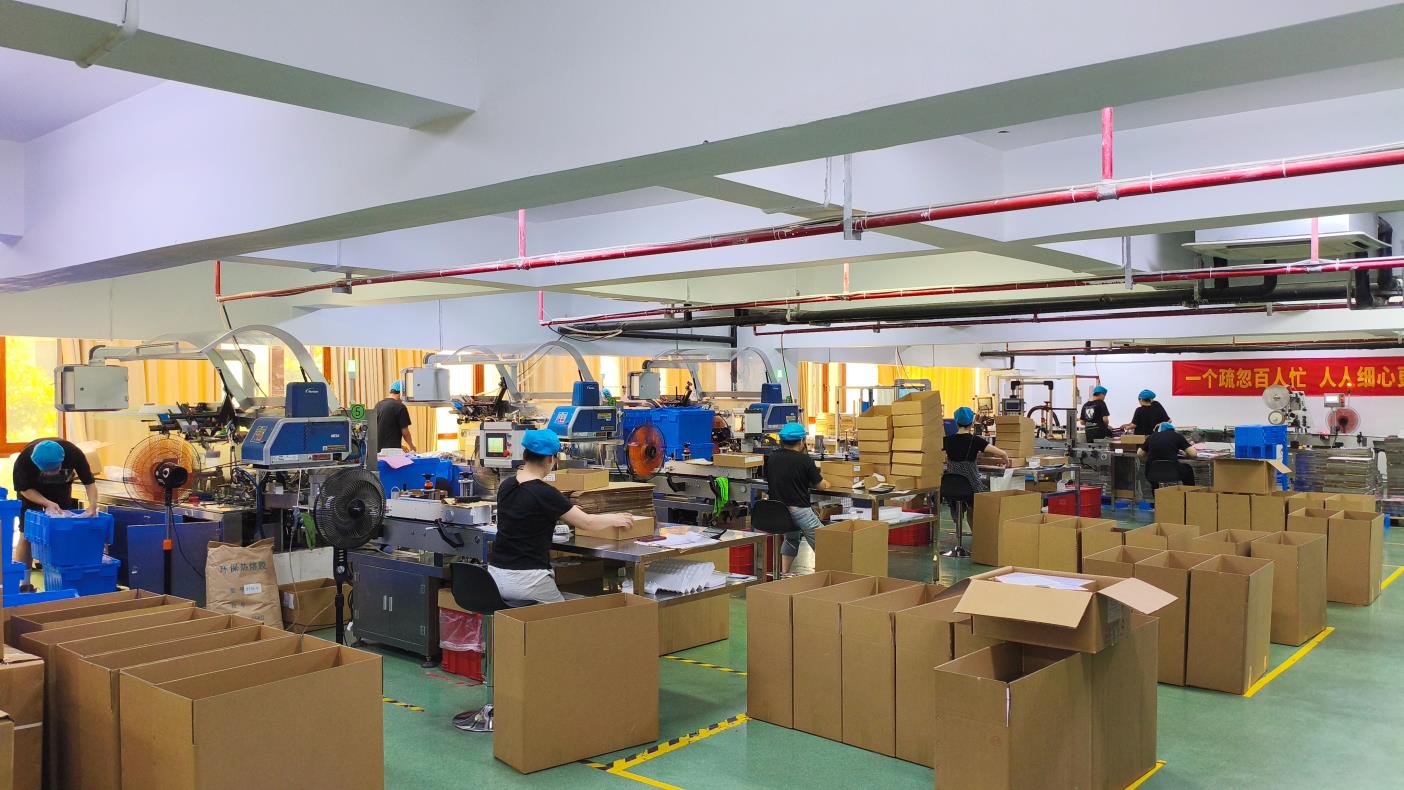
Packaging Line
Packaging Line

China-to-Kiribati Supply Chain: Advantages & Logistics

Navigating the oceanic supply chain to Micronesia requires strategic planning. Direct sea cargo transit times from major Chinese hubs like the Port of Guangzhou or Shenzhen to the Port of Betio in Tarawa typically span 30 to 45 days, depending on shipping configurations and transfers via regional hubs in Fiji (Suva) or Australia.

For high-value cosmetic goods like sterile contact lenses, air freight options via Nadi (Fiji) or Brisbane (Australia) directly to Bonriki International Airport (TRW) offer accelerated delivery times of 7 to 14 business days. This route is preferred for maintaining inventory velocity and preventing stockouts of trending colors.

Localized Compliance & Biocompatibility in Tropical Environments

Kiribati is characterized by a warm, humid marine environment. For contact lens wearers, these tropical parameters increase the risk of rapid dehydration of lens materials and potential bacterial accumulation if lenses are not engineered correctly.

  • HEMA-NVP Copolymer Formulations: Our 14.2mm lenses leverage a balanced 38% to 42% water content. Lower water content polymer structures retain their native dimensions and shape under dry air-conditioned spaces or high saline outdoor environments, preventing them from drawing moisture from the wearer's cornea.
  • Double Sandwich Technology: Ensures the pigments are completely sealed inside the HEMA material. The dyes never touch the corneal surface or the conjunctiva, eliminating chemical leaching under high UV radiation exposure typical of Kiribati's equatorial geography.
  • ISO 13485 & CE Verification: Crucial certificates for custom clearance at the Kiribati customs, ensuring B2B importers are protected against confiscation or quality liability issues.

Logistic Efficiency Metrics

FOB Port: Guangzhou / Shenzhen, China

Standard Lead Time: 15-20 Days for OEM production

Package Specifications: High-resistance sterile blister packs designed to withstand sea freight pressure and temperature fluctuations.

Customs Tariffs code (HS Code): 9001.30.00 (Contact Lenses)

Frequently Asked Questions (FAQ) - Kiribati Market Focus

Expert B2B answers regarding raw materials, logistics, compliance, and custom requirements.

How do you ship contact lenses from China to Tarawa, Kiribati?
We offer two logistics routes: Sea freight (LCL/FCL) via transshipment through Suva, Fiji, which lands directly at Betio Port (ideal for large wholesale stocking), or Air Freight via international couriers (DHL/FedEx) routeing through Brisbane or Fiji to Bonriki International Airport. Air shipment is highly recommended for high-priority color lens orders to maintain stock freshness.
Are your 14.2mm color lenses compliant with Kiribati health standards?
Yes. All our contact lenses are manufactured in an ISO 13485 certified facility in China. Every batch is certified with CE markings. These documents are provided with the commercial shipment to ensure seamless importation and compliance under the Kiribati Ministry of Health and Medical Services (MHMS) guidelines.
What is the shelf life of your yearly disposable color contacts?
Our sterile blister-packaged lenses have a shelf life of up to 5 years from the date of manufacture. The sterilization is achieved through medical autoclave processing, ensuring safety as long as the saline packaging seal remains intact and stored under typical tropical indoor temperatures.
Do you offer private label (OEM) packaging custom design services?
Absolutely. We specialize in OEM packaging configurations. B2B clients in Kiribati can design their own outer box packaging and blister branding. Our professional design and structural engineering team will pre-visualize the layout, ensuring that all legally required medical metrics are legibly printed.
Why is a 14.2mm lens optimal for Pacific island consumer demographics?
The 14.2mm lens is a versatile sizing standard. It accommodates a standard base curve of 8.6mm, which fits over 95% of corneal structures natively. This diameter balances aesthetic enlargement with eye safety, preventing hypoxia (oxygen starvation) by allowing adequate tear circulation.
What is the Minimum Order Quantity (MOQ) for importing color lenses?
For standard factory stock colors, the MOQ starts from 50 to 100 pairs per color. For custom OEM private label orders involving custom color matching or specialized outer packaging, the typical baseline starts from 1,000 pairs. Contact our support team for customized scale options.
How do you guarantee that the coloring inks will not irritate the wearer's eyes?
We utilize a multi-layer cast molding technology (known as sandwich coloration). The design is embedded between two thin layers of biocompatible hydrogel material. The pigment layer is never in contact with the eye tissues, completely avoiding any risk of scratching the cornea or leading to chemical discoloration.
What payment methods do you accept for B2B orders?
We accept standard Telex Transfer (T/T) bank wires, secure credit card transactions, and PayPal for prototype samples or initial trial orders to provide flexible, low-risk options for importers starting in the Kiribati marketplace.

Launch Your Optical Business in Kiribati Today

Get in touch with our optical product engineers to negotiate customized private-label layouts, logistics coordination, and sample kit processing.

Send Inquiry Now